Armenian Wedding Traditions in the Modern Day: A Photographer’s Guide
Armenian weddings are some of the most joyful, loud, and layered celebrations you can photograph. There is a church ceremony with centuries of ritual, a reception that can run 400 guests deep, and a dance floor that does not quit until the band does. So, if you are marrying into or planning an Armenian wedding in Los Angeles, you are in for a very good time.This post covers where some of the best-known traditions came from, how couples are updating them, and how to photograph each moment well. One note first. Traditions vary by family, by region, and by whether a family’s roots are in Armenia, Lebanon, Iran, or elsewhere. Think of this as a field guide, not a rulebook. Your priest and your families will always have the final word.
Armenian Wedding Traditions: A Short History
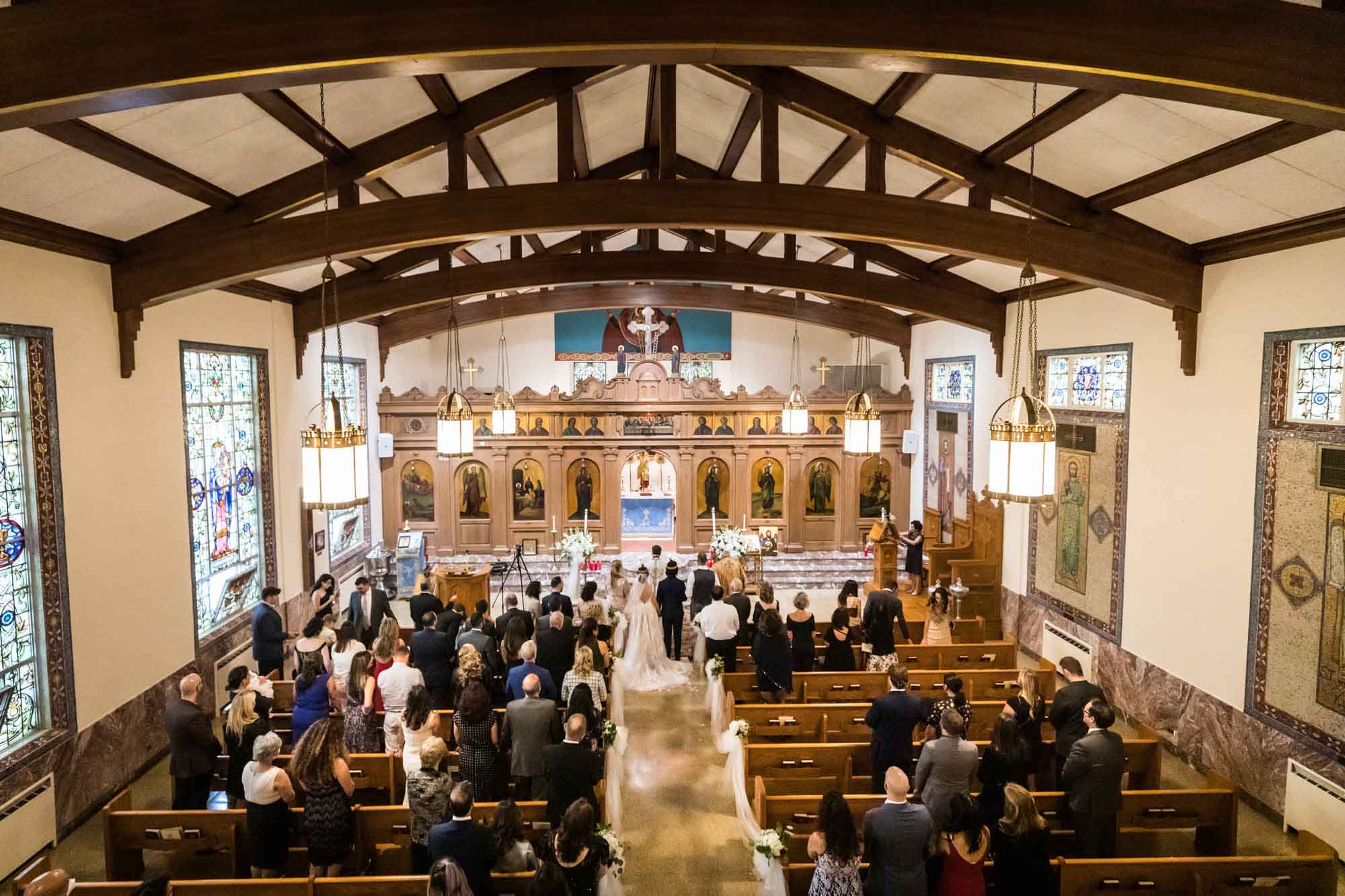
Armenia was the first nation to adopt Christianity as its state religion, in 301 AD. That is why the Armenian Apostolic Church sits at the center of the traditional wedding. The ceremony itself has ancient roots, and the rituals around it come from village life, where a wedding was a community event that could last several days.
A few Armenian cultural traditions have since earned international recognition. UNESCO has listed lavash, the thin flatbread, along with the duduk and the Kochari folk dance on its intangible cultural heritage lists. You will see all three at a traditional wedding.
Before the Wedding: Khosk-Kap and the Engagement
Traditionally, an engagement is a family affair. The khosk-kap, meaning roughly “word binding,” is when the groom’s family visits the bride’s family to formally ask for her hand. The two families agree, share sweets and drinks, and the engagement becomes official. Rings and gifts often follow at a separate engagement celebration.
How it has changed. Plenty of couples have already decided long before anyone formally asks. So the khosk-kap has become more of a ceremonial dinner or party, and the formal request is often a warm, funny nod to tradition rather than a real negotiation. Some families fold it into the engagement party. Others skip it entirely.
How to photograph it. This is a living-room-sized event with lots of relatives and not much space. Use a wider lens, watch for the older relatives watching the younger ones, and capture the moment the two families first sit down together. The best frames are rarely the toast; they are the reactions to it.
Getting Ready and the Groom’s Arrival
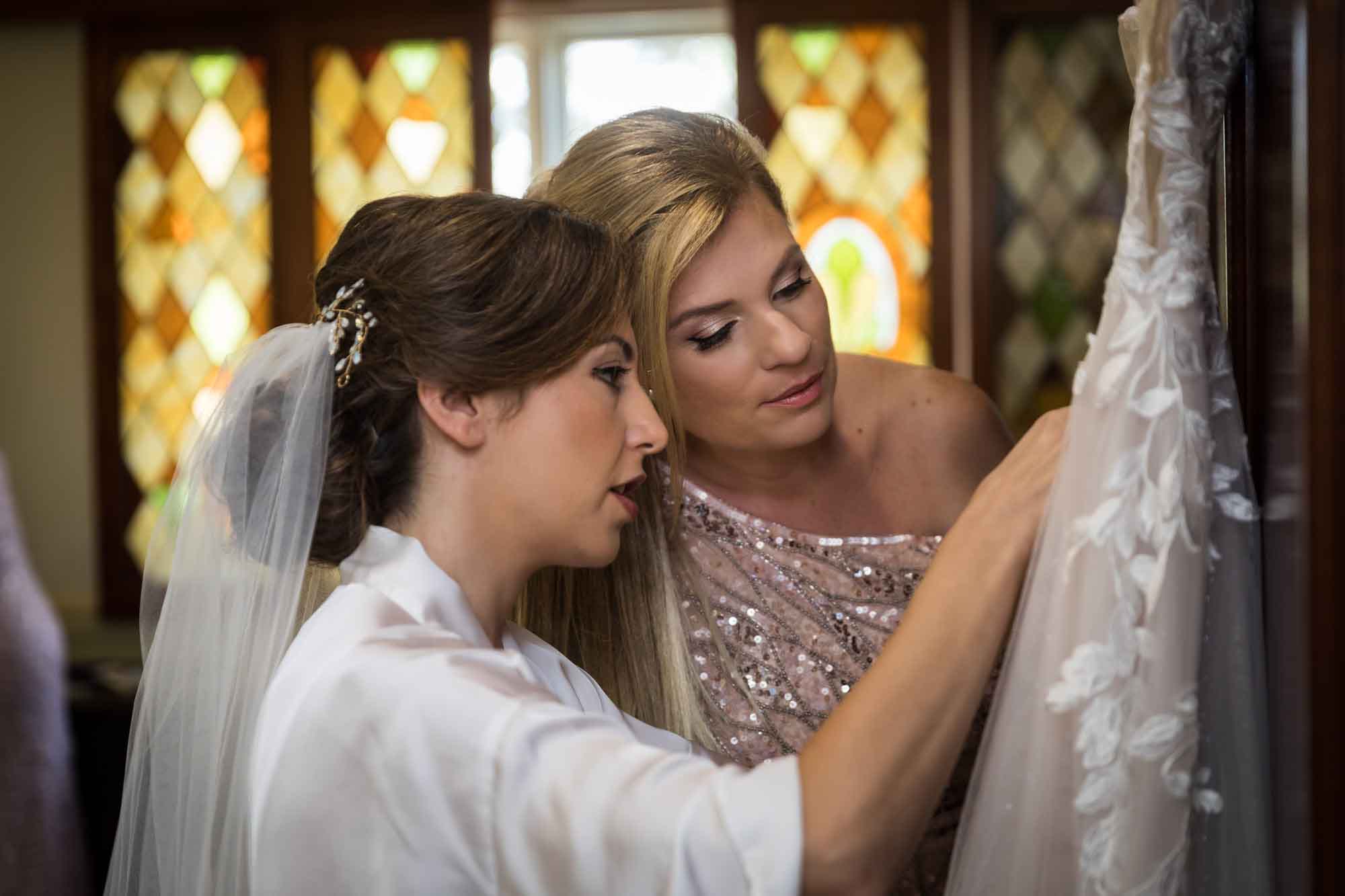
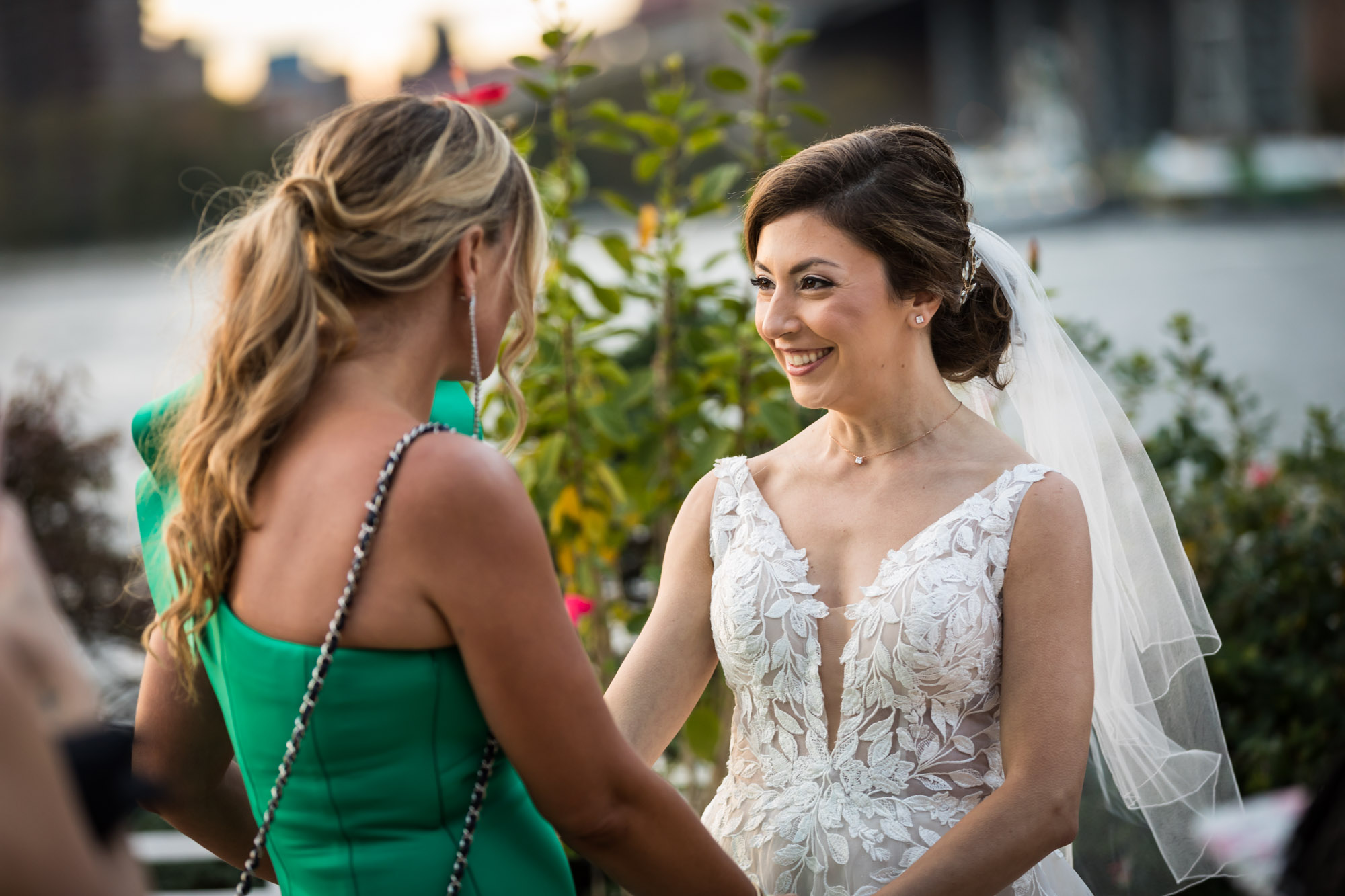
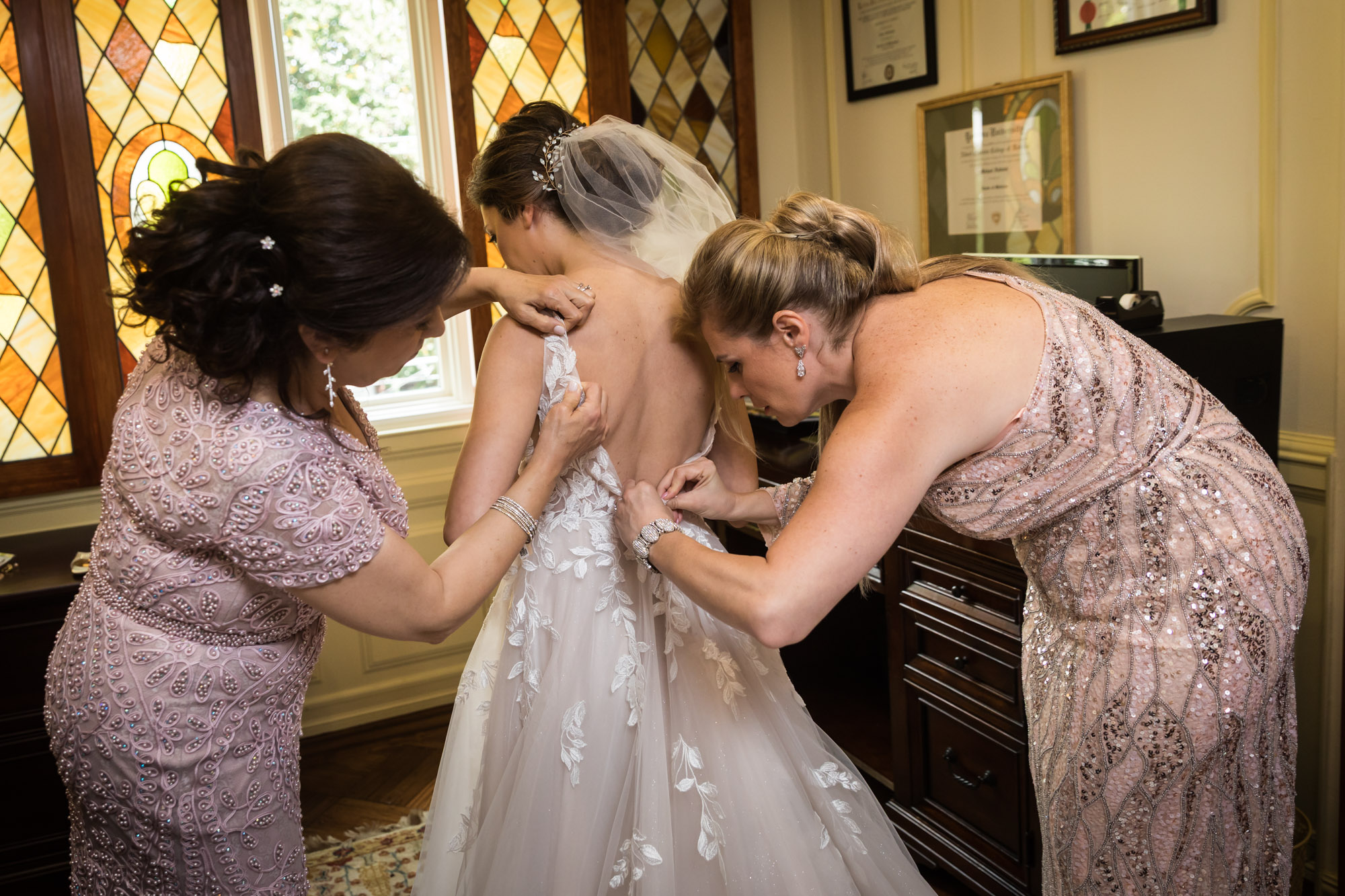
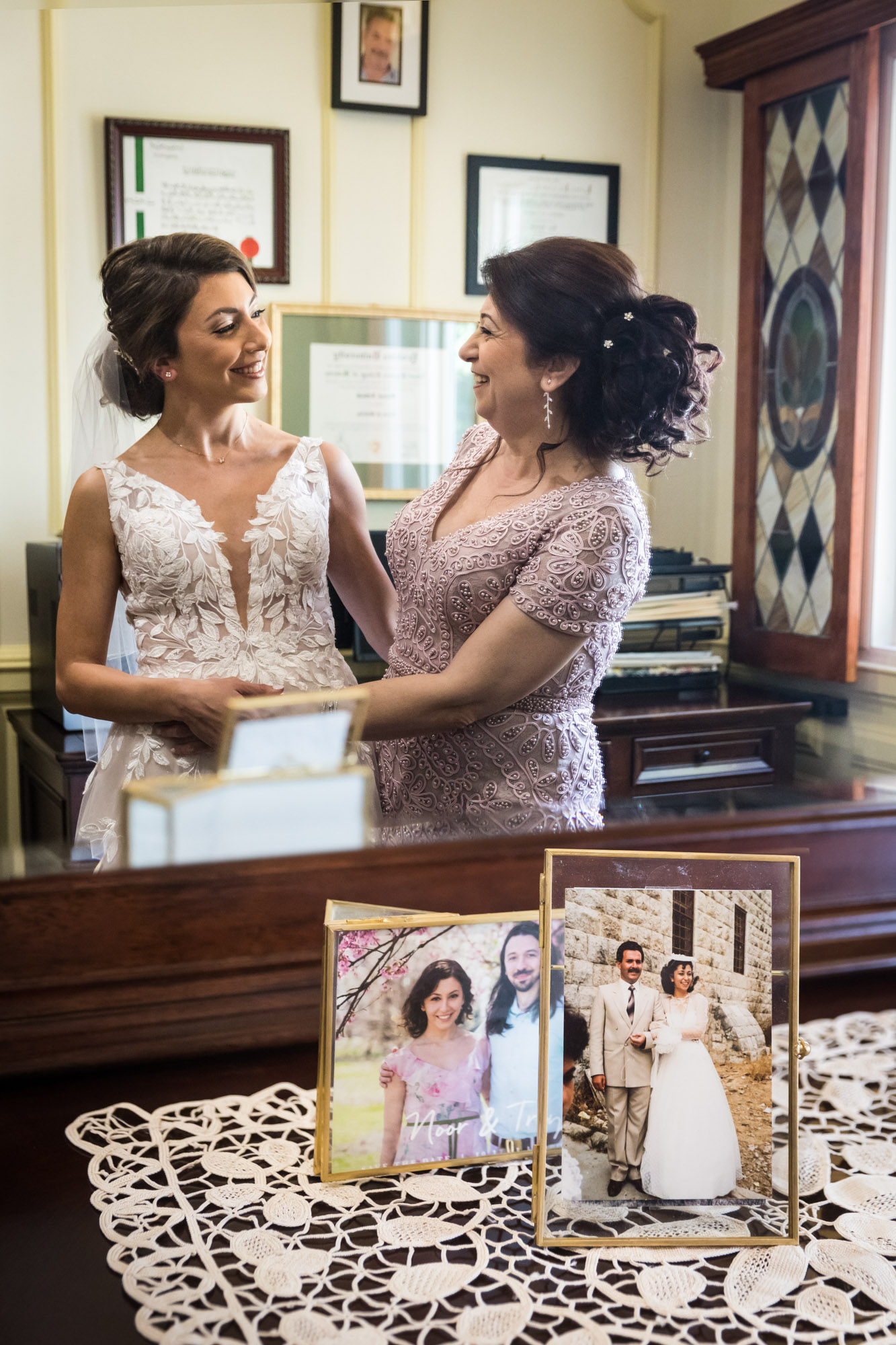
On the morning of the wedding, the groom’s side traditionally travels to the bride’s home. In many families this comes with music, family, friends, and a bouquet. The bride is often finished getting ready with the help of her mother, her bridesmaids, and sometimes the godmother figure in the family. The couple’s kavor and kavorkin, the best man and the godparent-style sponsor, play an important role throughout the day.
How it has changed. Today, the bride’s “home” is often a hotel suite, and the groom’s arrival may be a modern first look rather than a doorstep surprise. Some couples hold a traditional-style meeting at the bride’s family home and then do a private first look afterward for portraits.
How to photograph it.
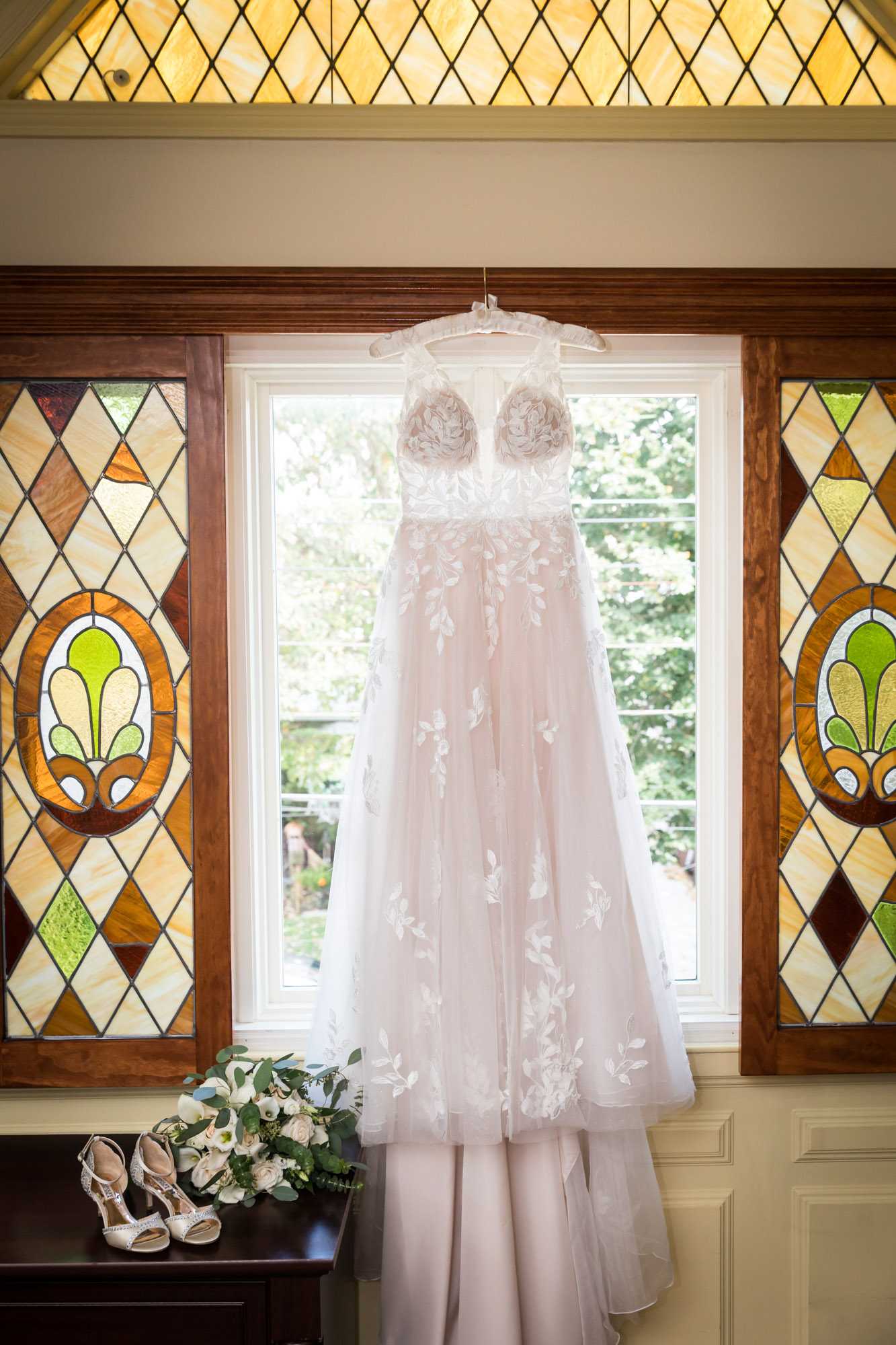
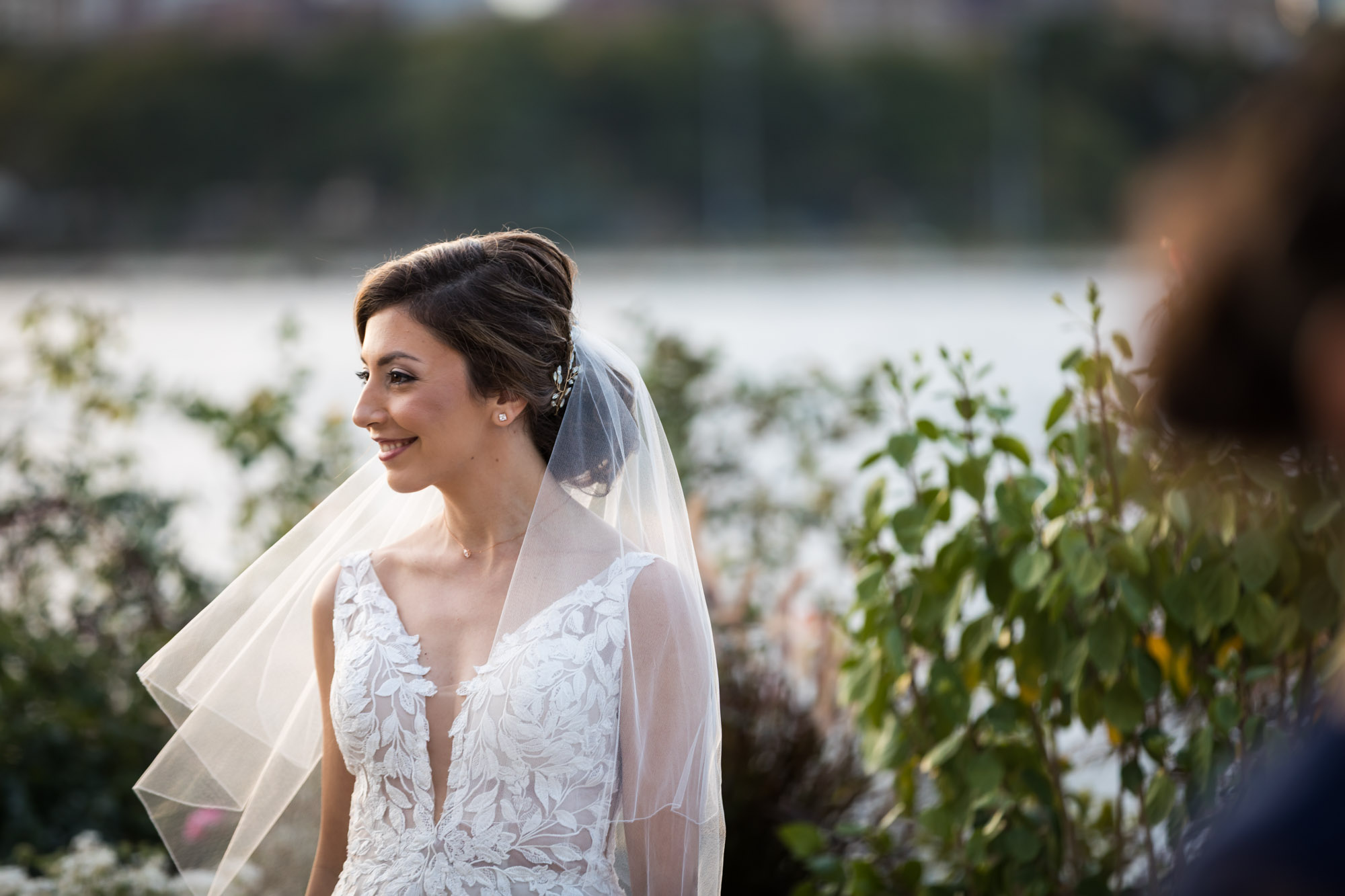
- Arrive early for the bride’s final prep. The veil, the mother’s hands on the gown, and the last mirror check are the moments the family will keep.
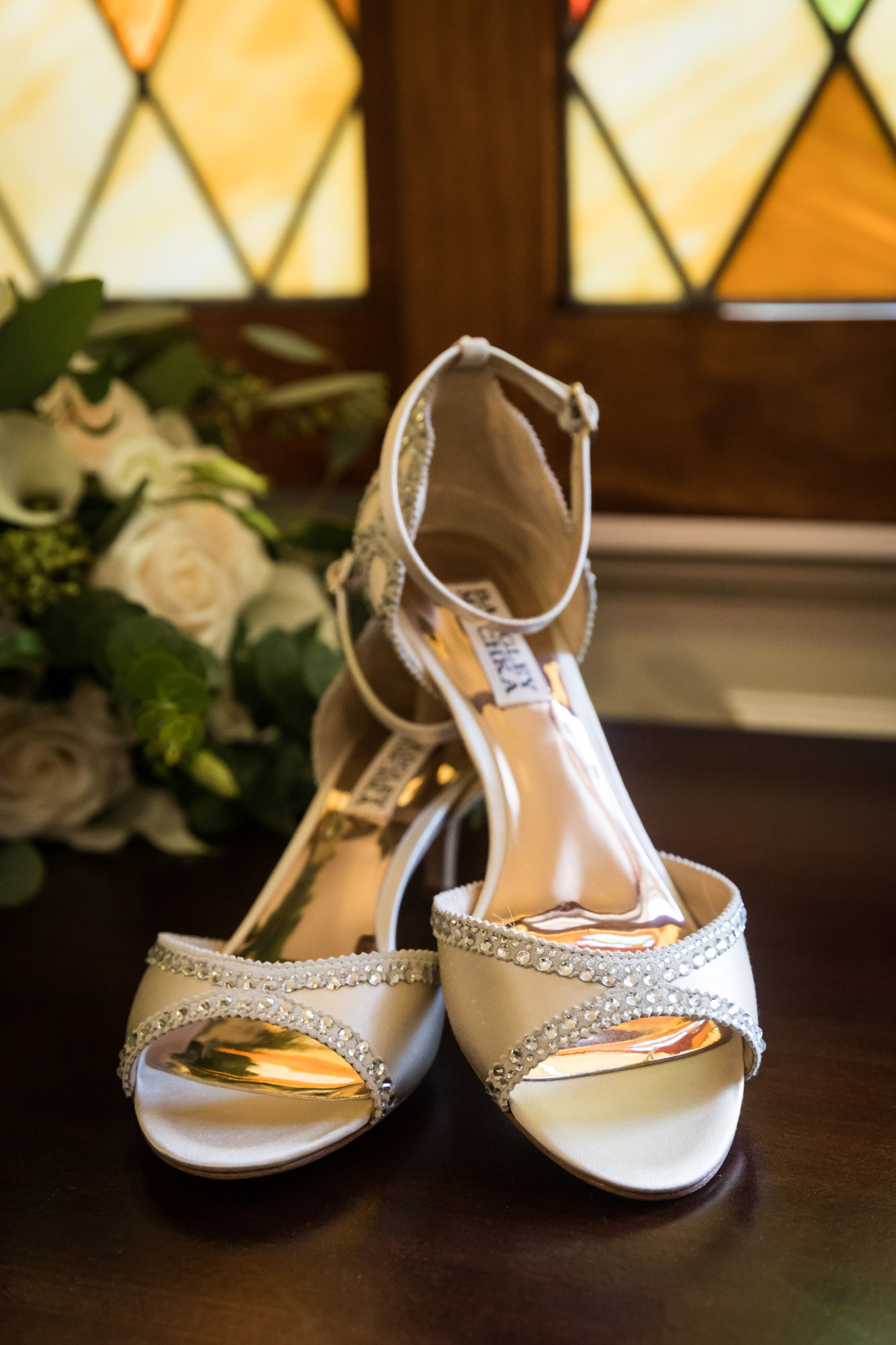
- Photograph the details before the room fills up. Rings, shoes, the invitation suite, and any family heirloom jewelry need quiet time and window light.
- If the groom’s arrival has a ceremonial moment, stand where you can see both his face and hers. That is the whole story in one frame.
The Church Ceremony
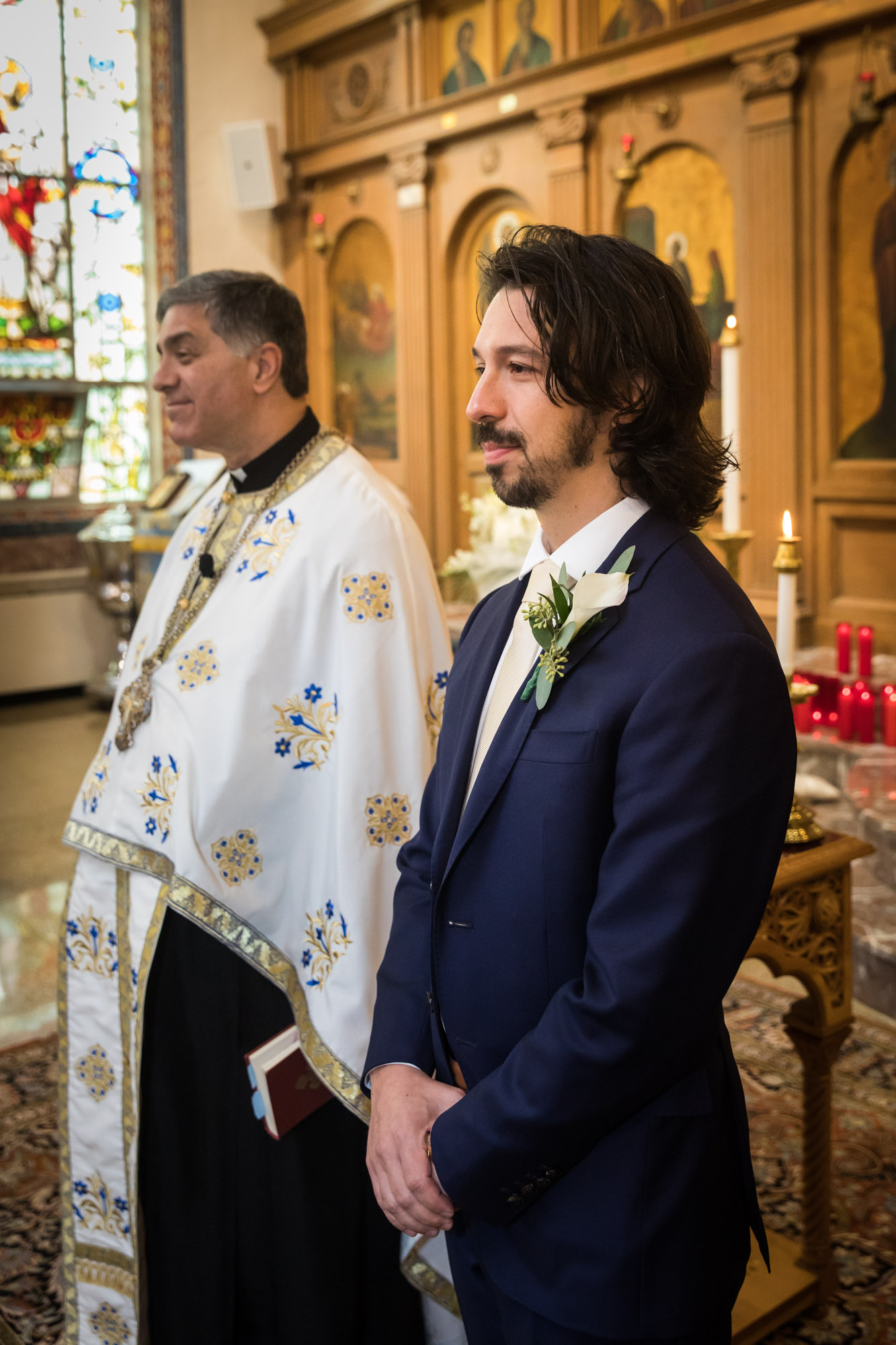
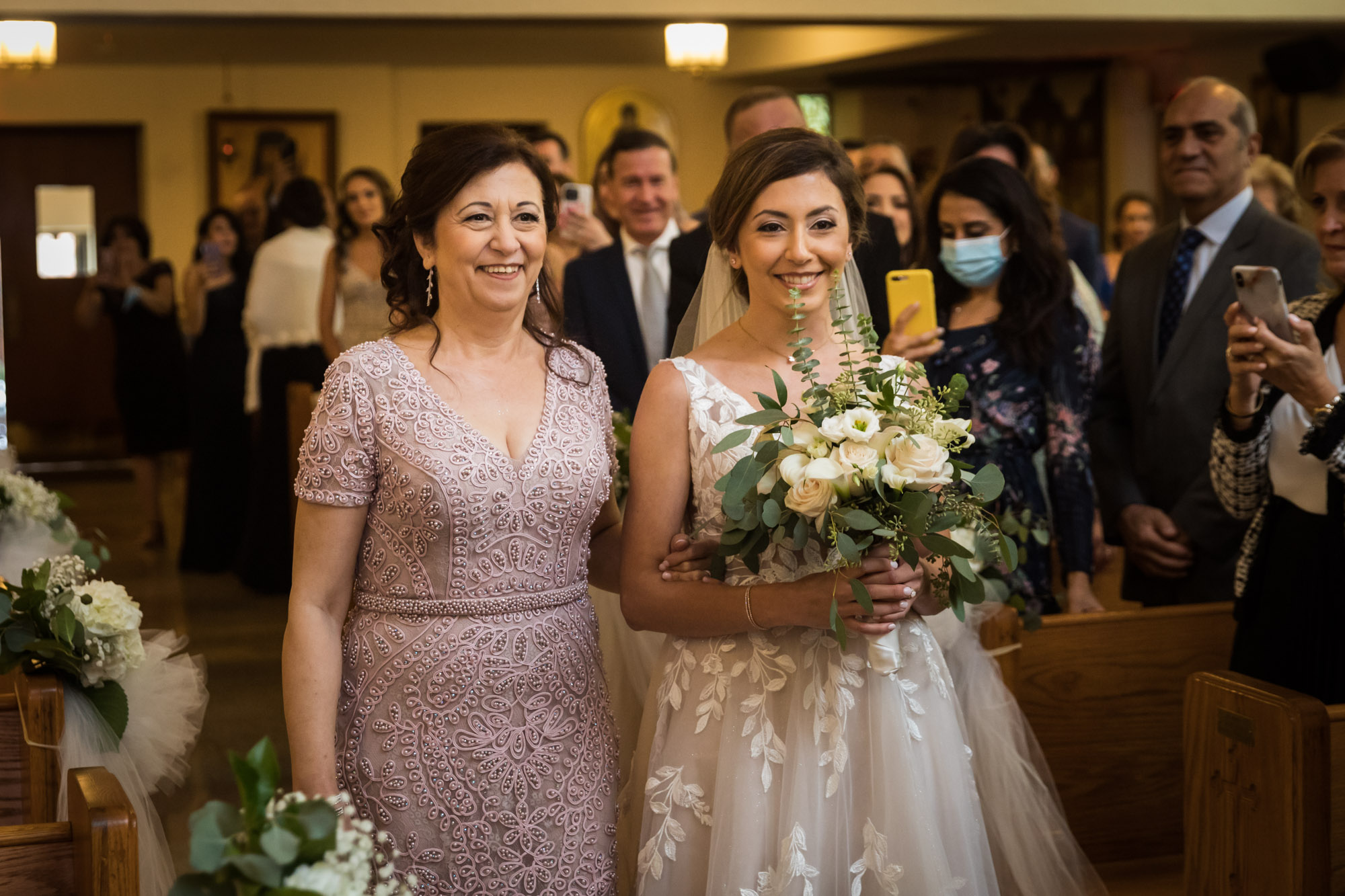
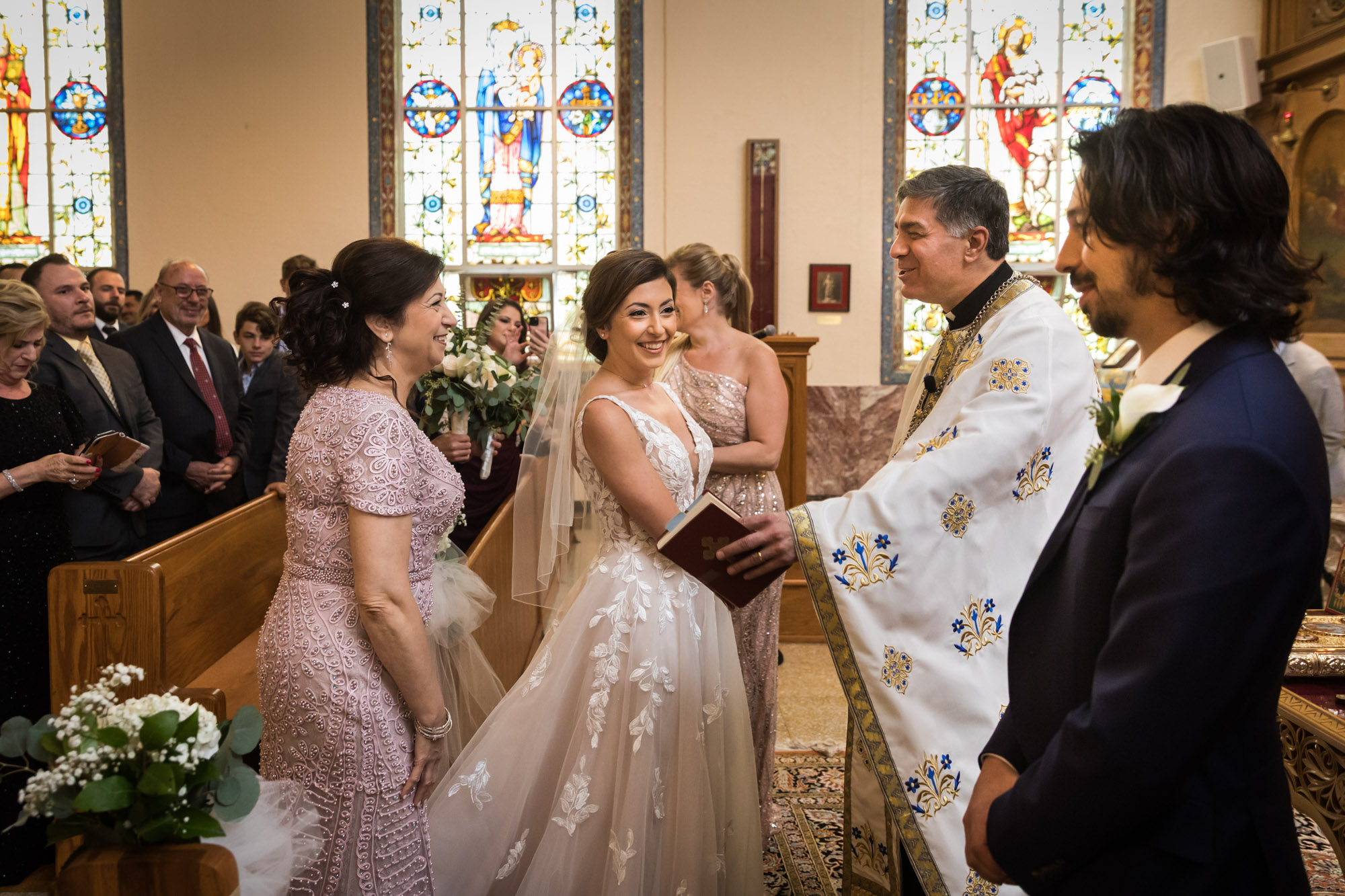
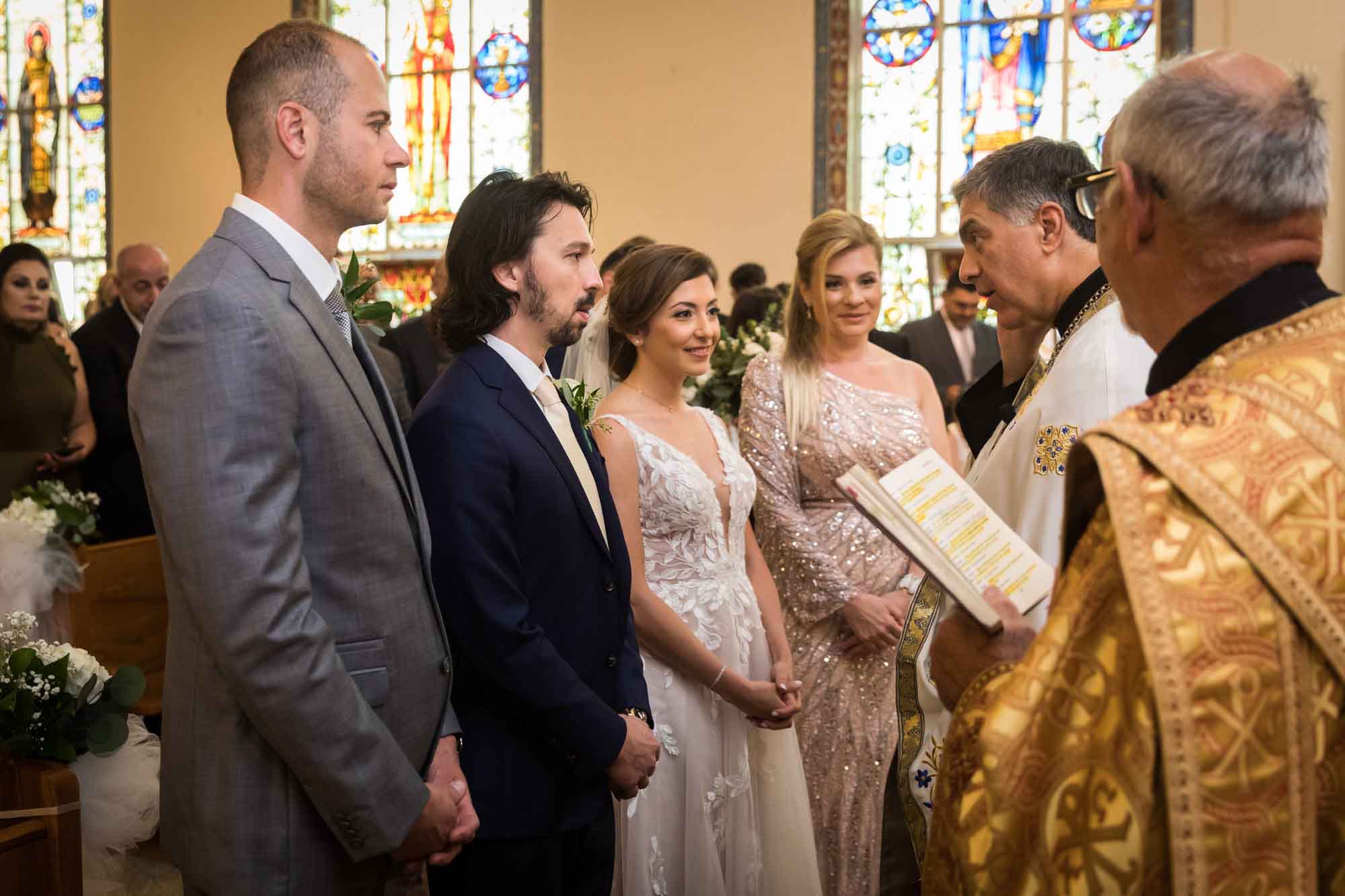
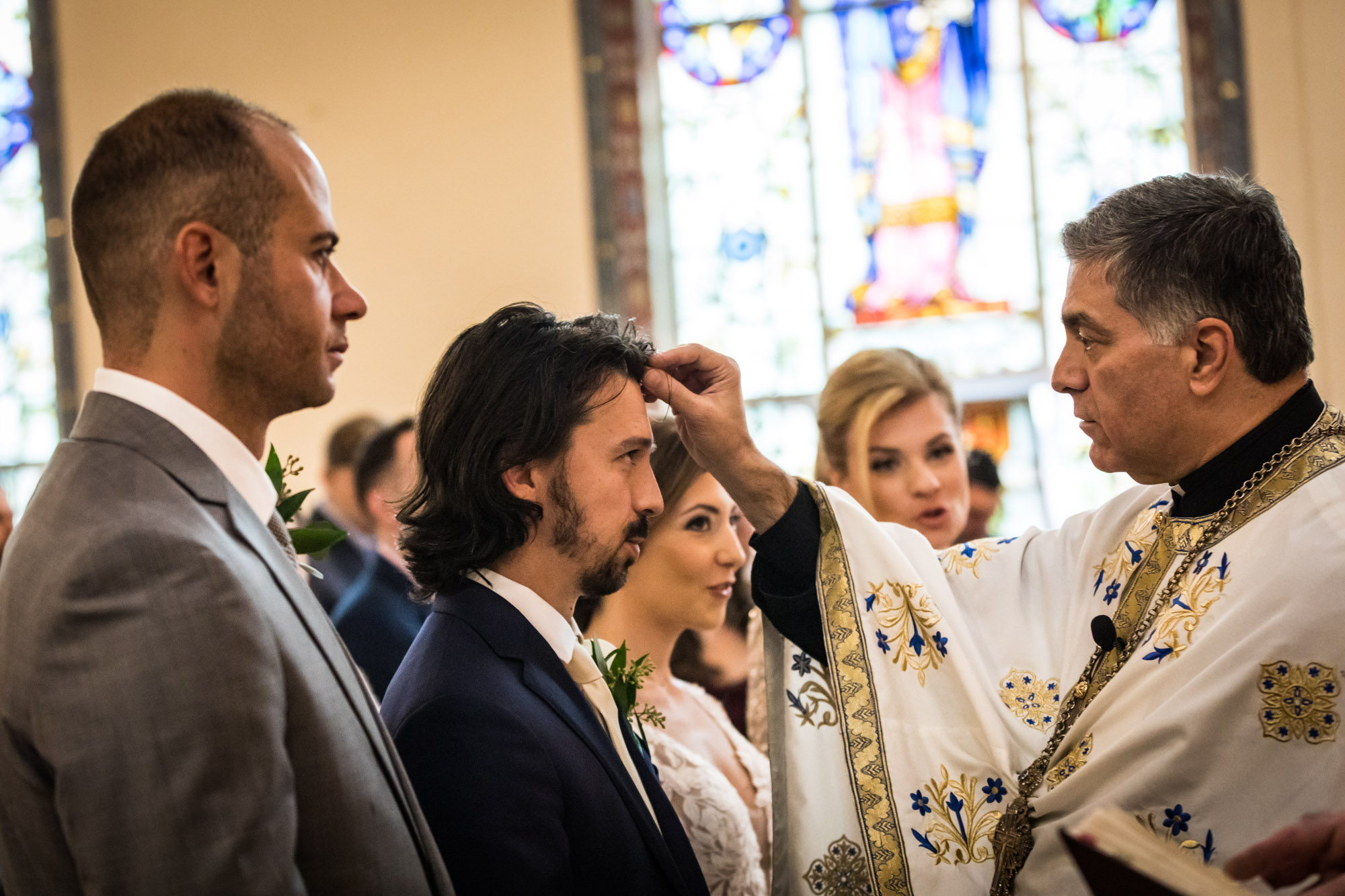
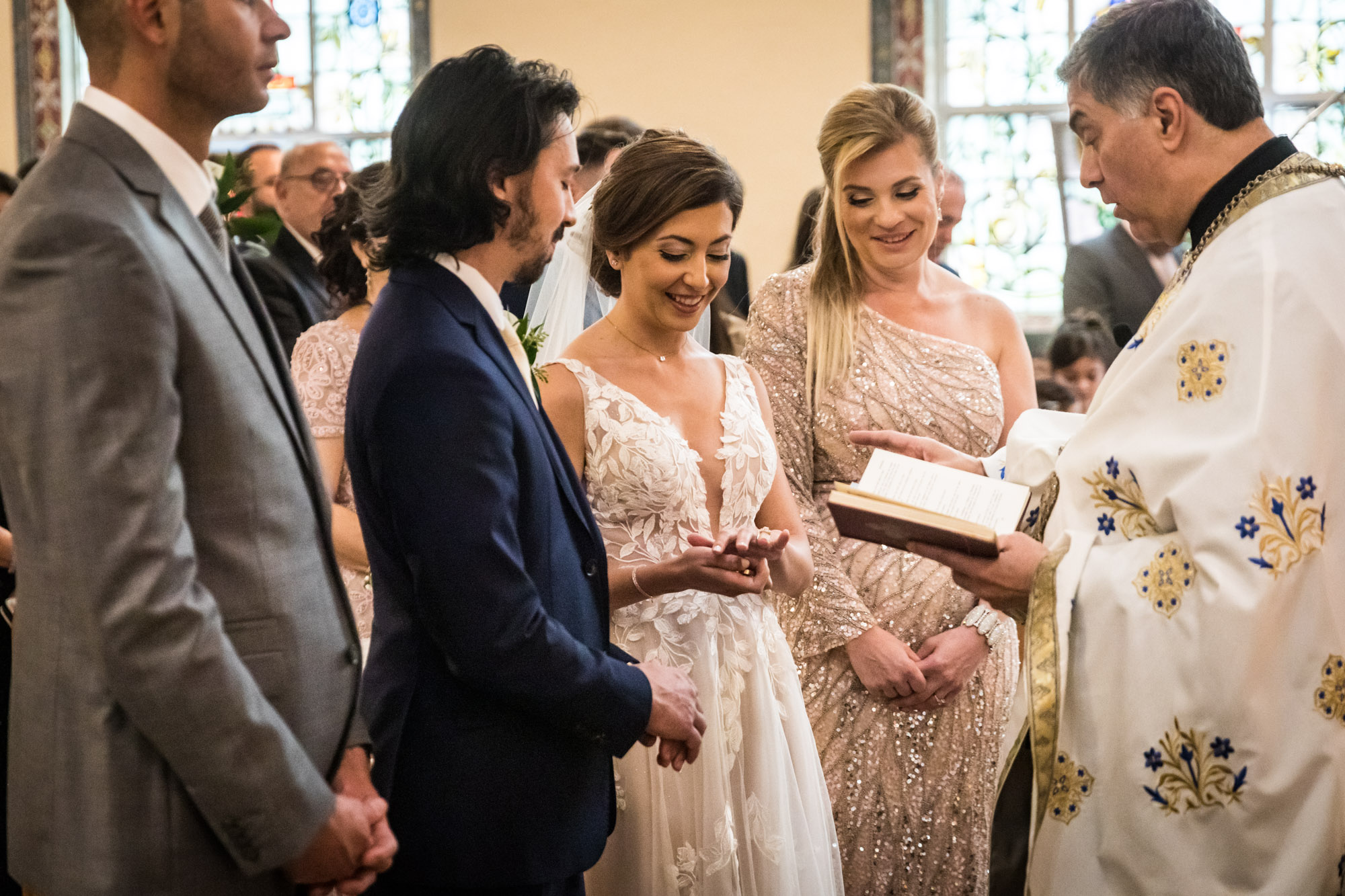
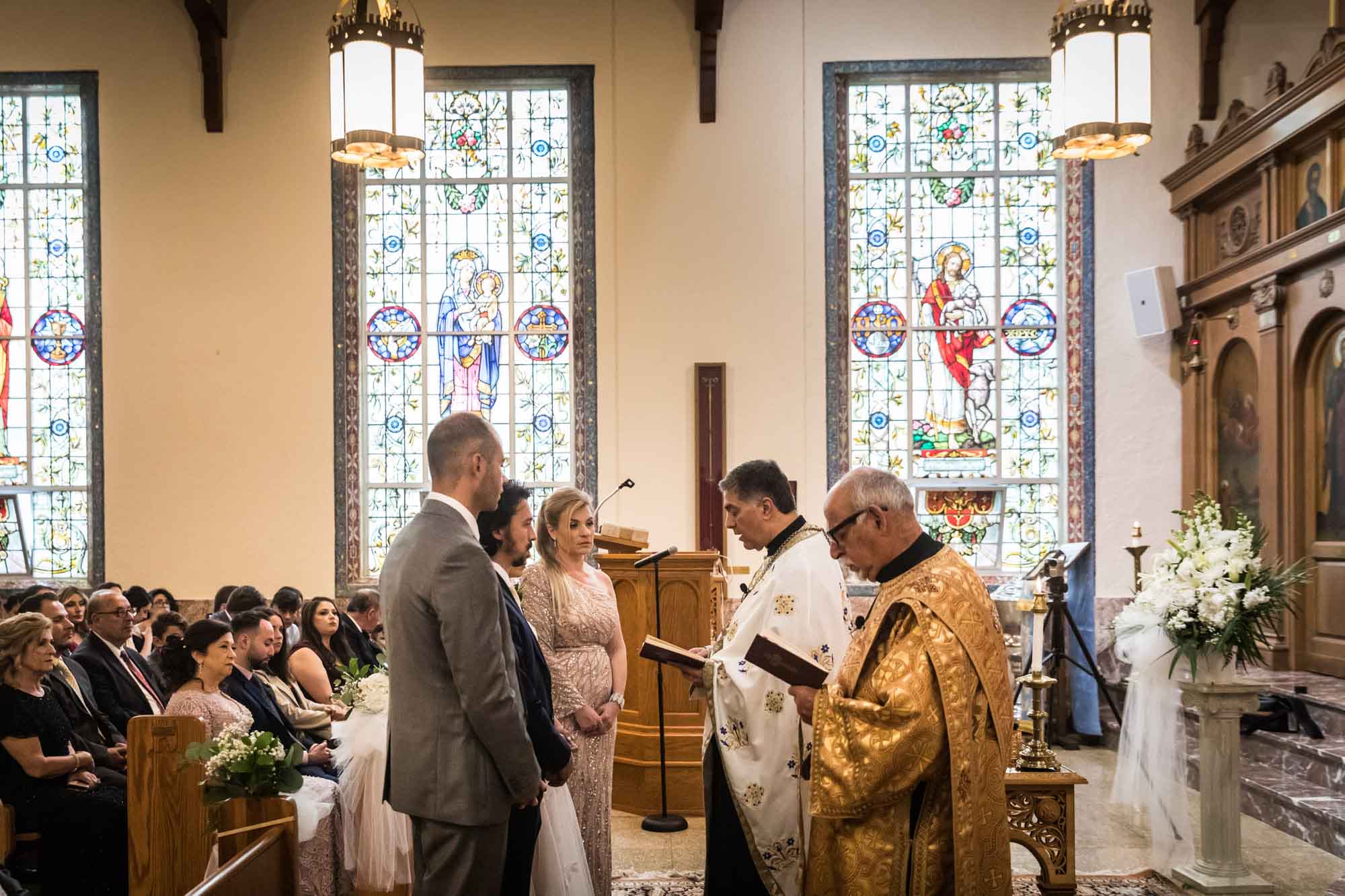
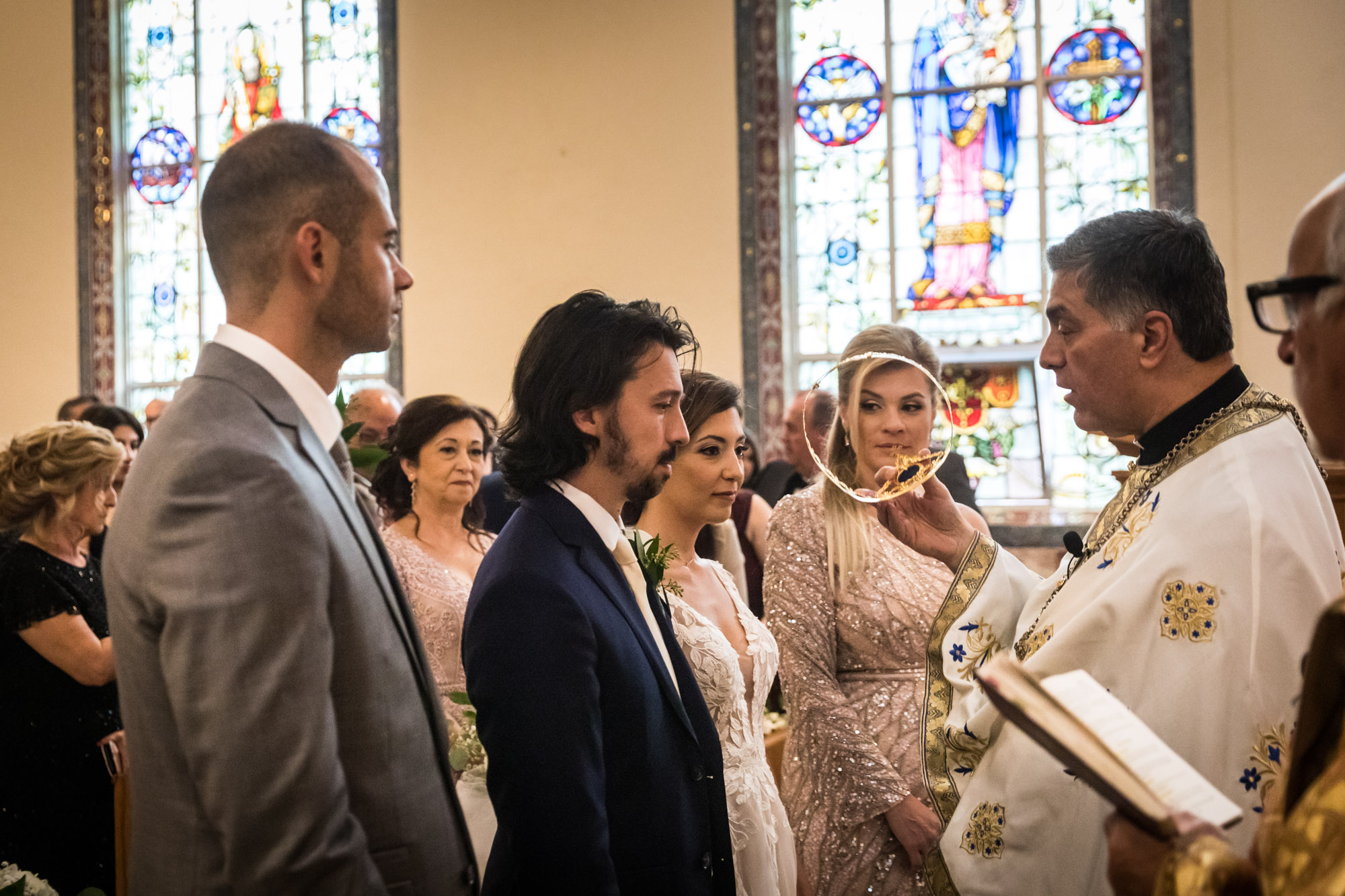
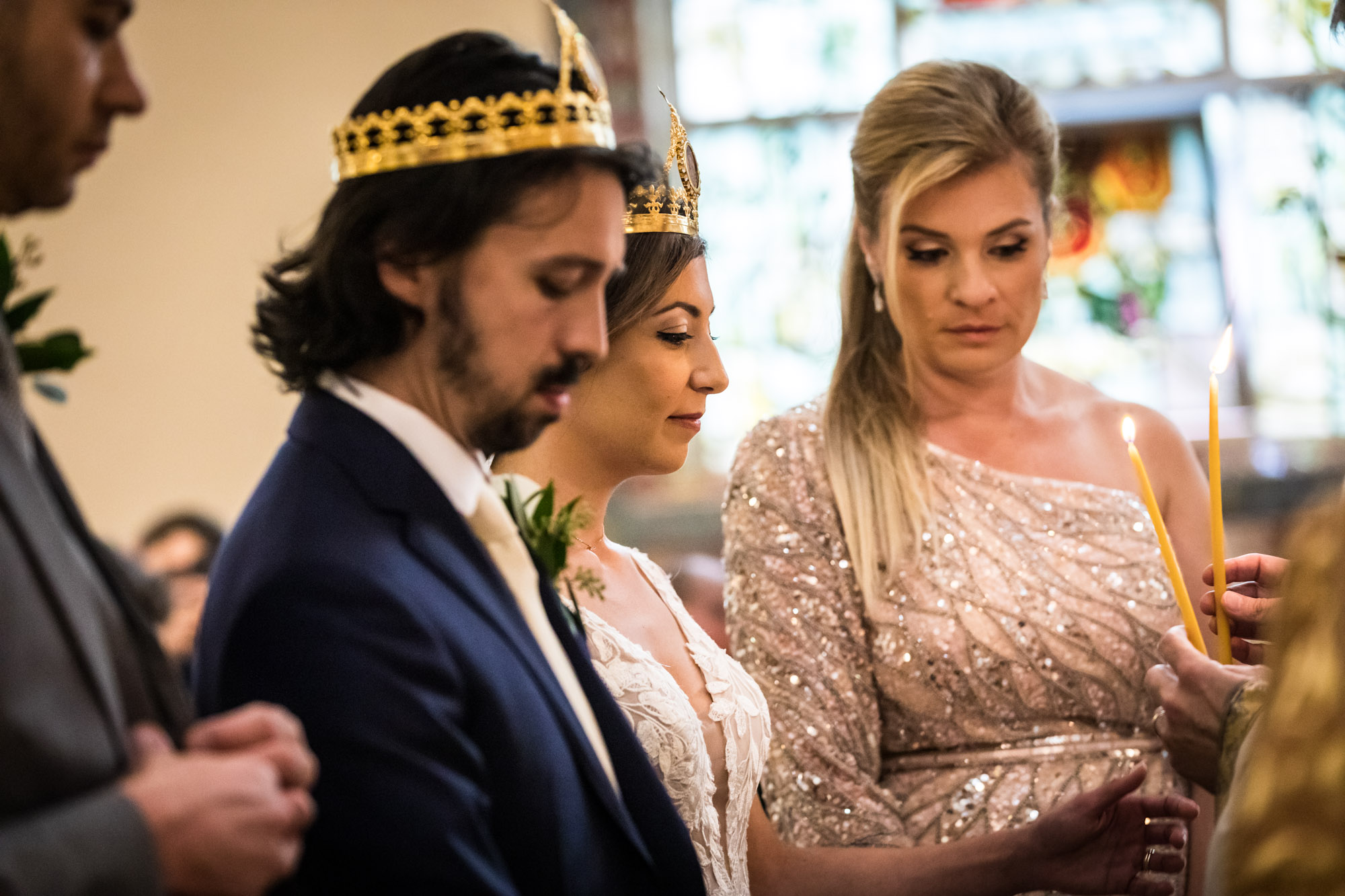
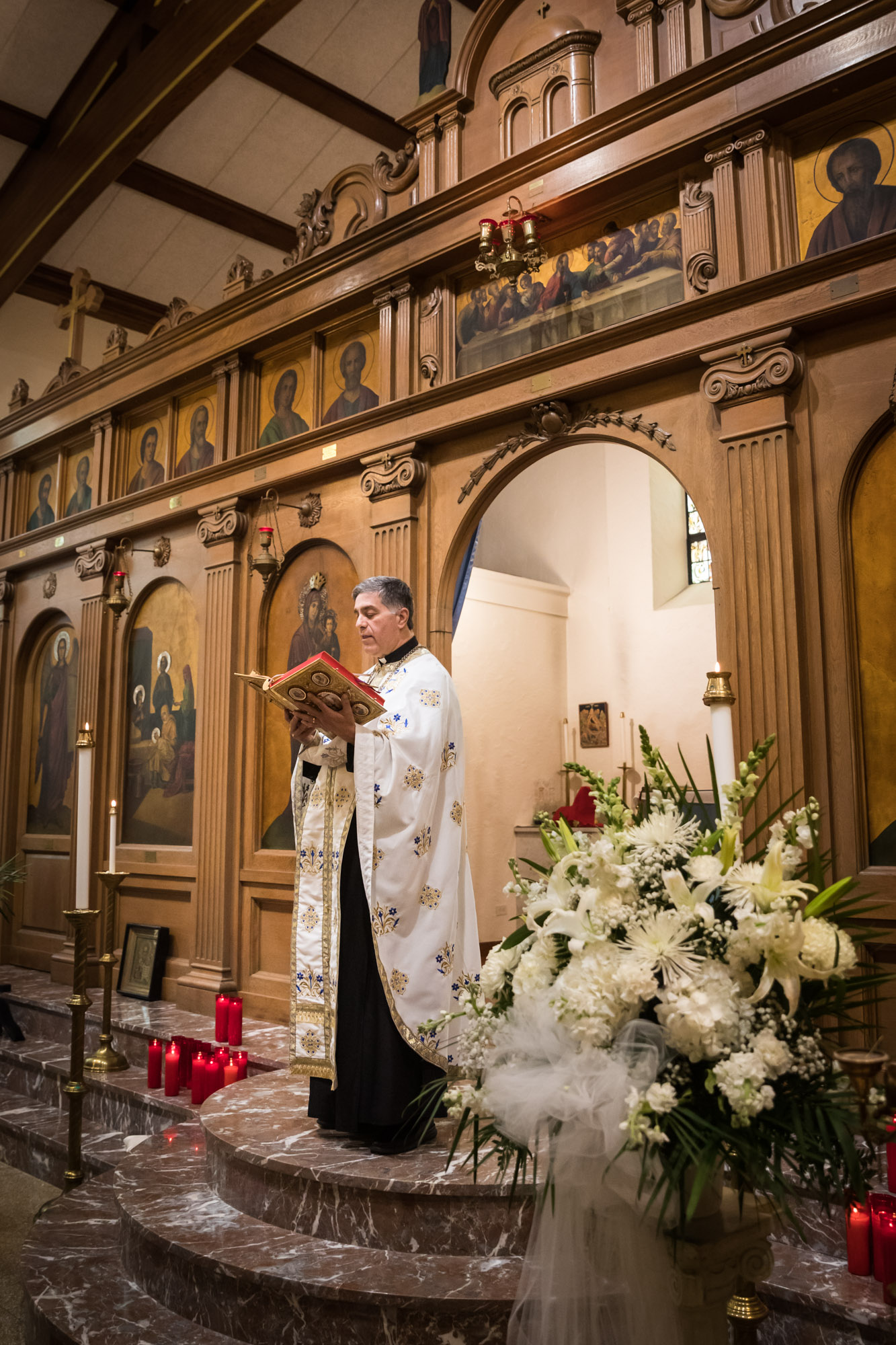
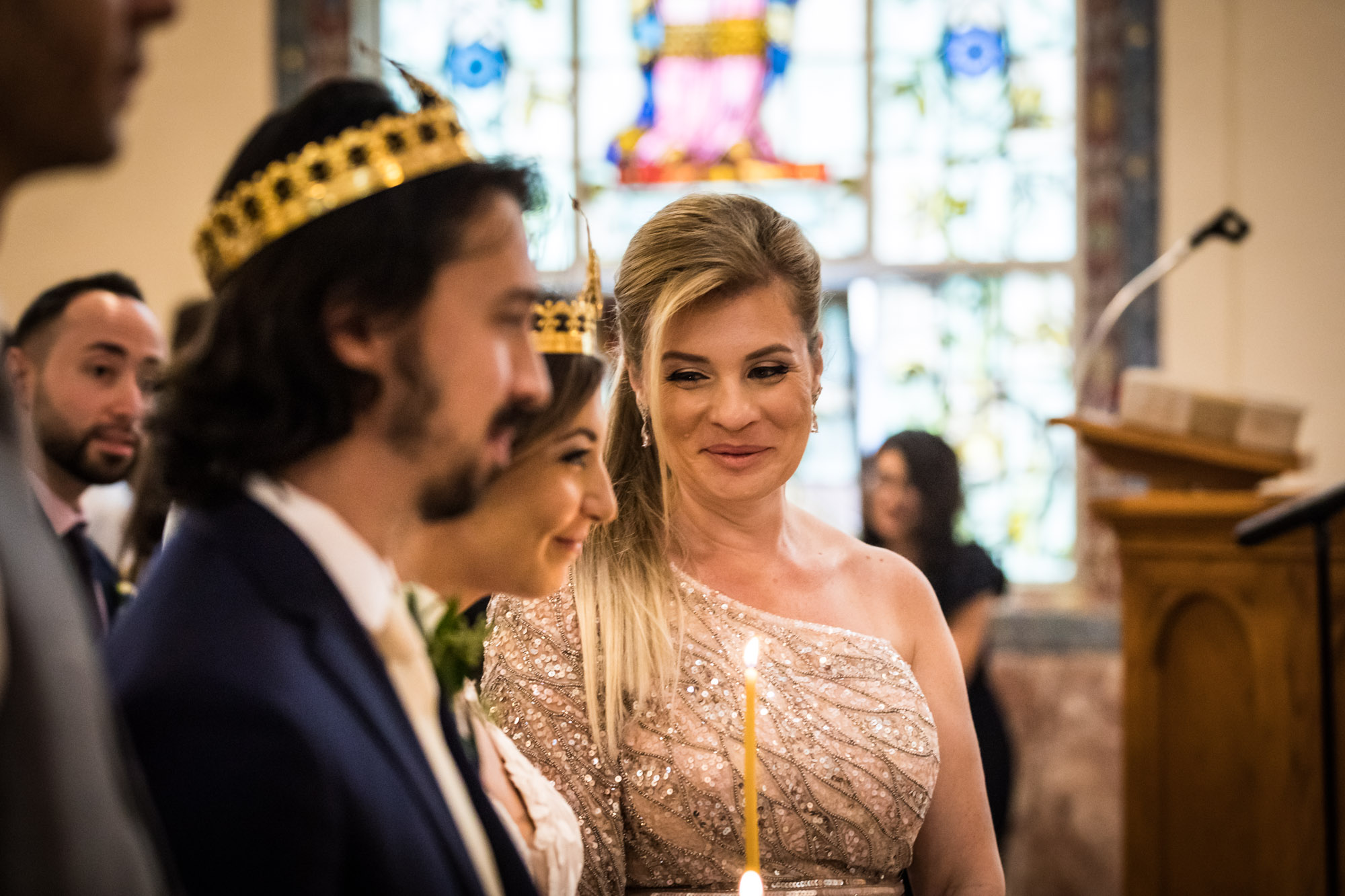
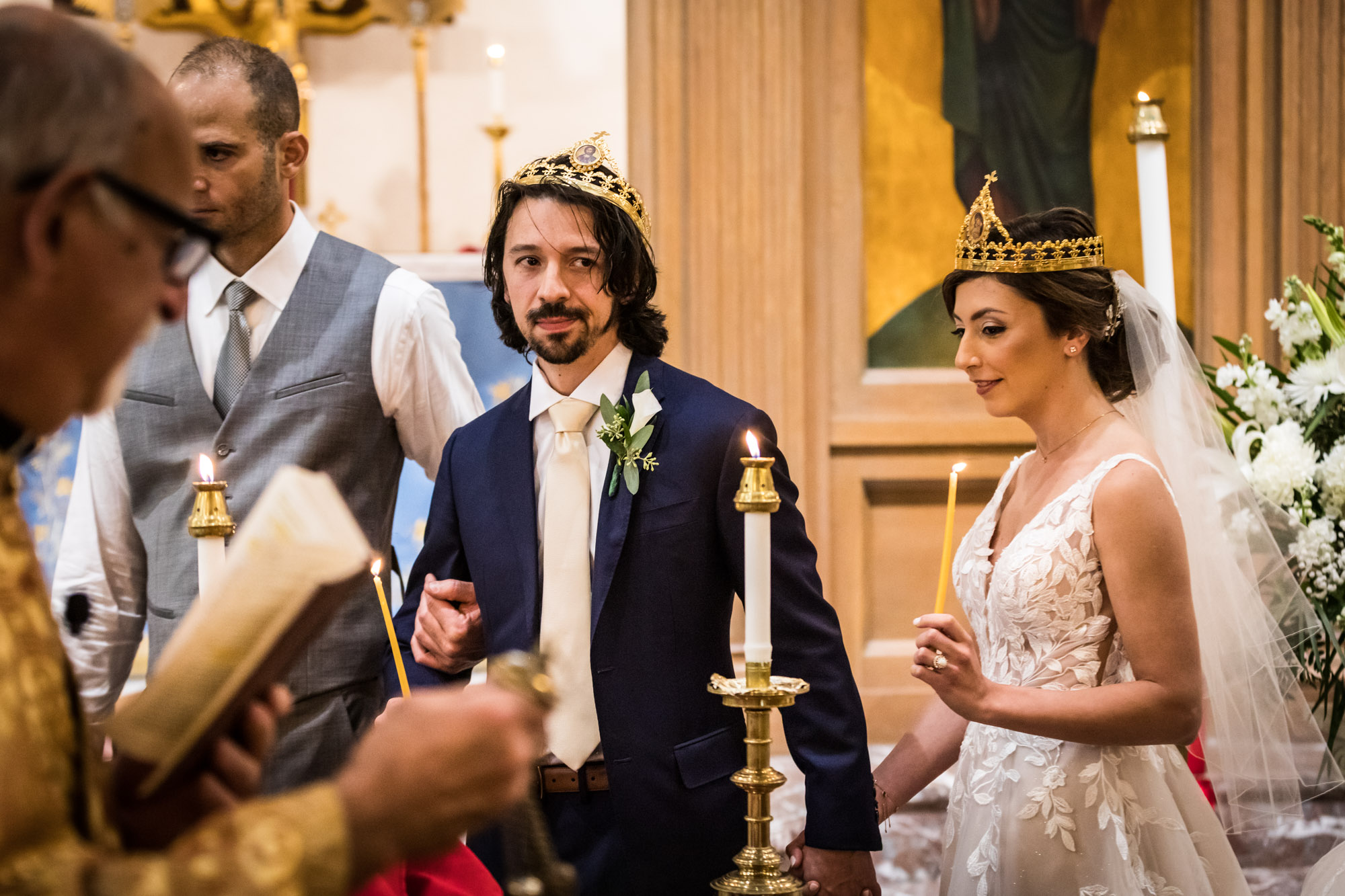
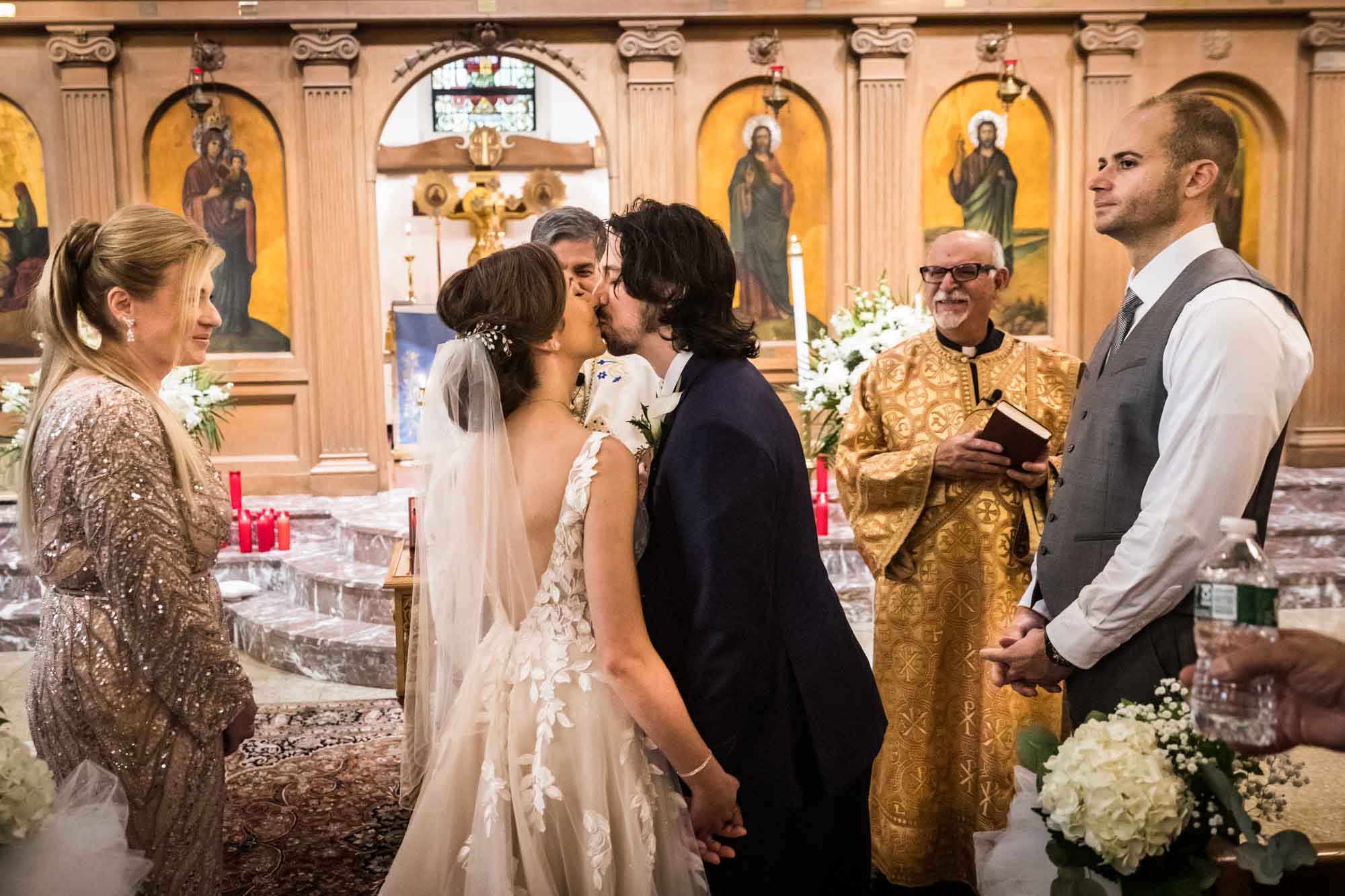
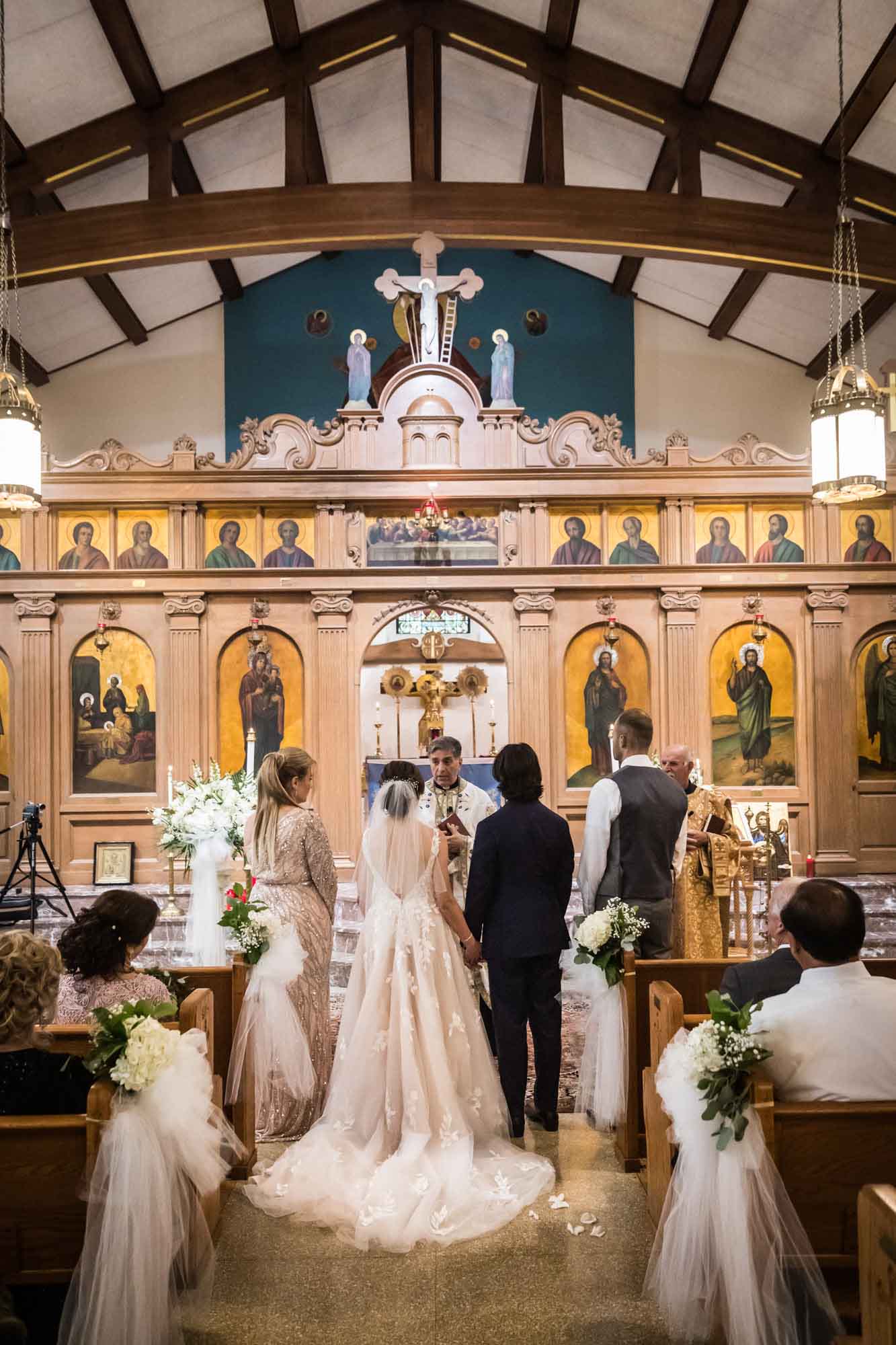
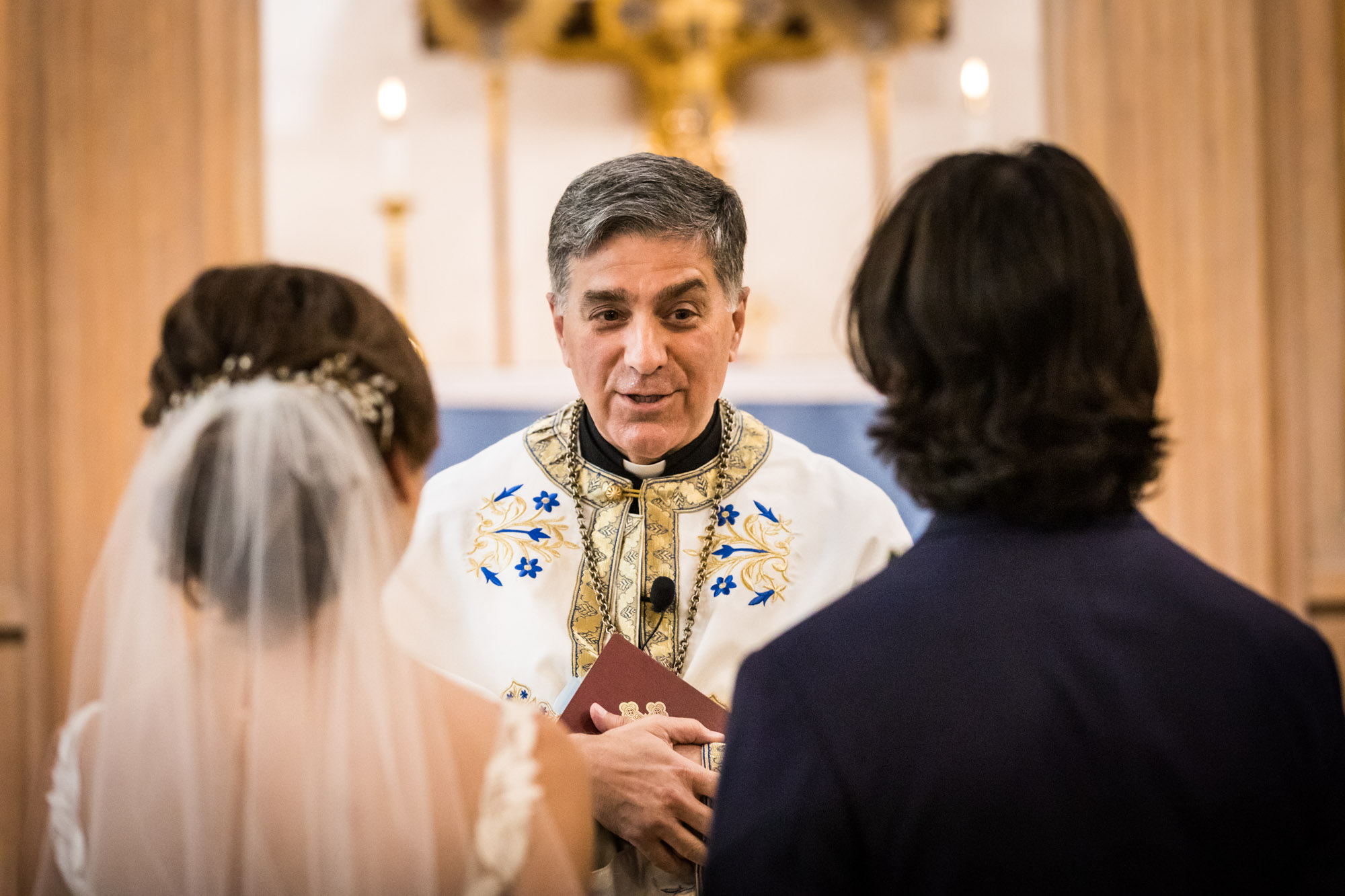
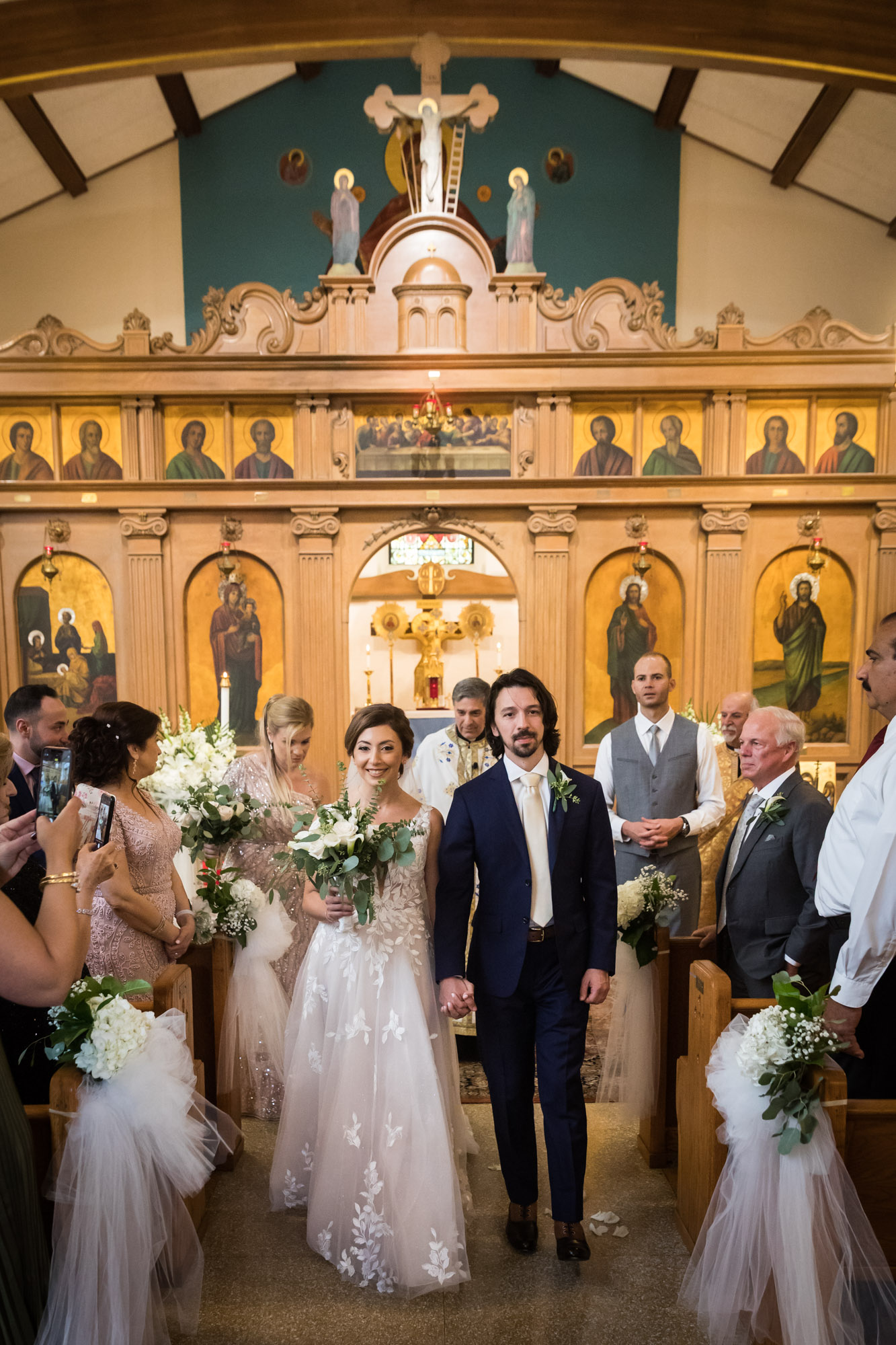
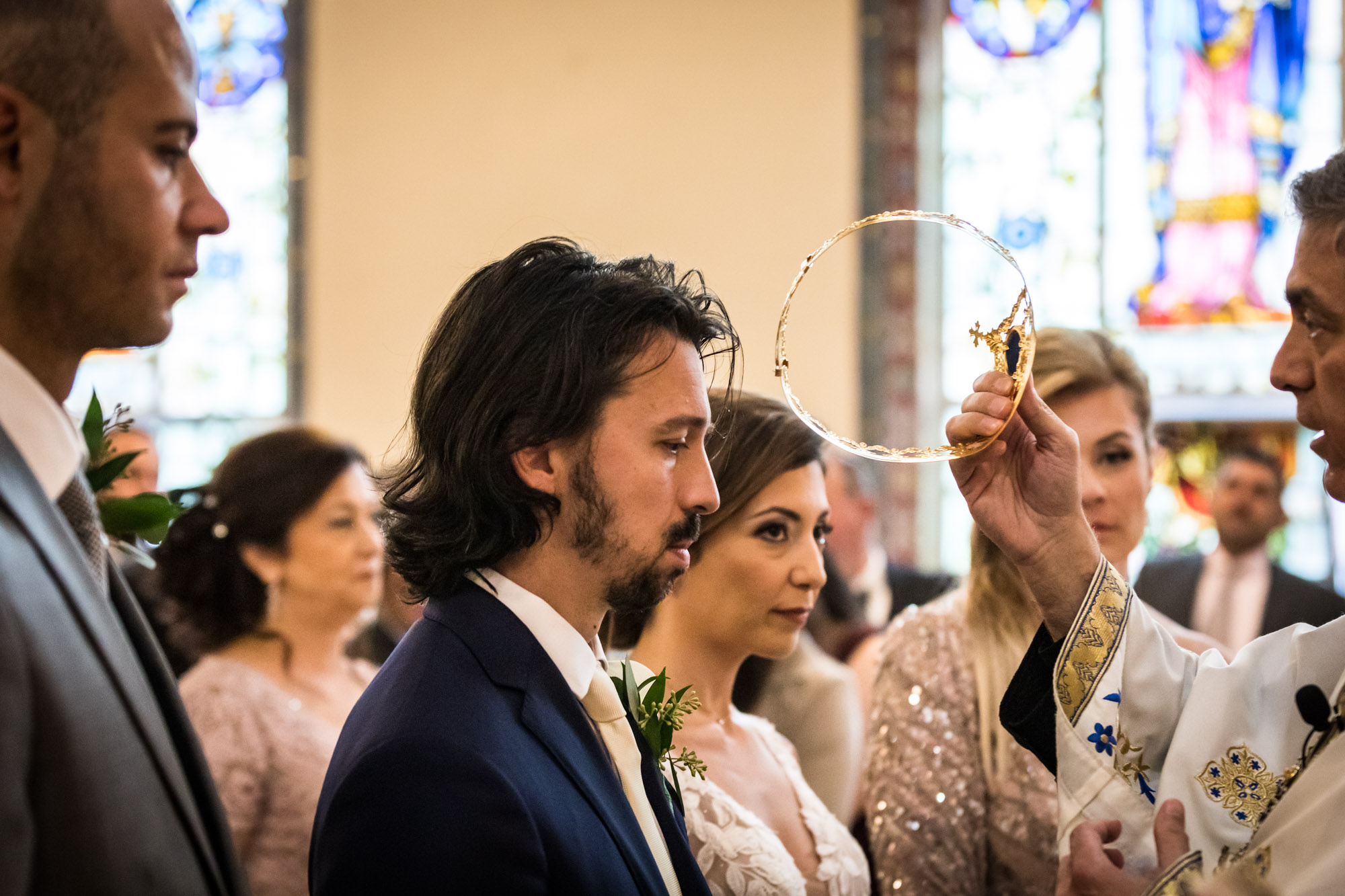
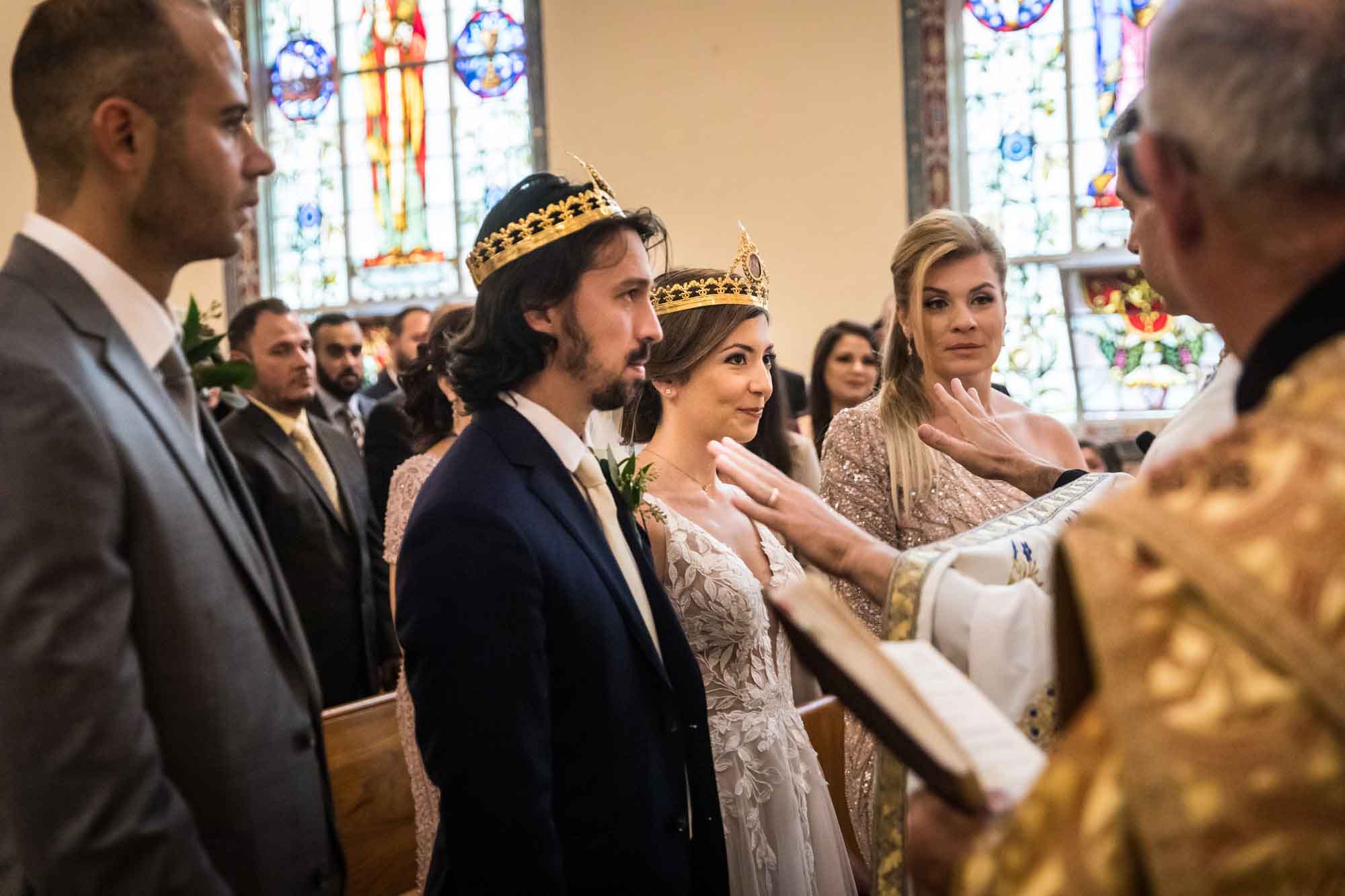
The Armenian Apostolic ceremony is one of the most visually striking you can photograph. The priest blesses the couple, and the pair stand together at the altar. The signature moment is the crowning. Crowns are placed on the heads of the bride and groom, often joined by a ribbon or cord, and the ceremony includes prayers, scripture, and the exchange of rings.
Candles, incense, and iconography fill the space. It is beautiful and it is serious. It is also often dim.
How it has changed. Many Armenian couples still marry in the church, but ceremonies are often shorter than they once were, and more couples are asking for bilingual elements so non-Armenian guests can follow along. Some marry in the church and hold a separate reception at a ballroom or garden venue, which is very common here in the Los Angeles area.
How to photograph it.
- Ask first. Before the wedding, confirm with the church what is allowed. Flash during the service is often restricted, and some churches limit where the photographer can stand. Do not guess.
- Go with available light and fast glass. A 35mm or 50mm at f/1.8 or wider is your friend. A longer lens helps you stay out of the way during the crowning.
- Raise your ISO without fear. A grainy sharp photo beats a clean blurry one every time.
- Look for the crowns. Photograph them from the side, with the ribbon and the priest’s hands in the frame. A tight detail shot of the crowns on their heads is one of the signature images from the day.
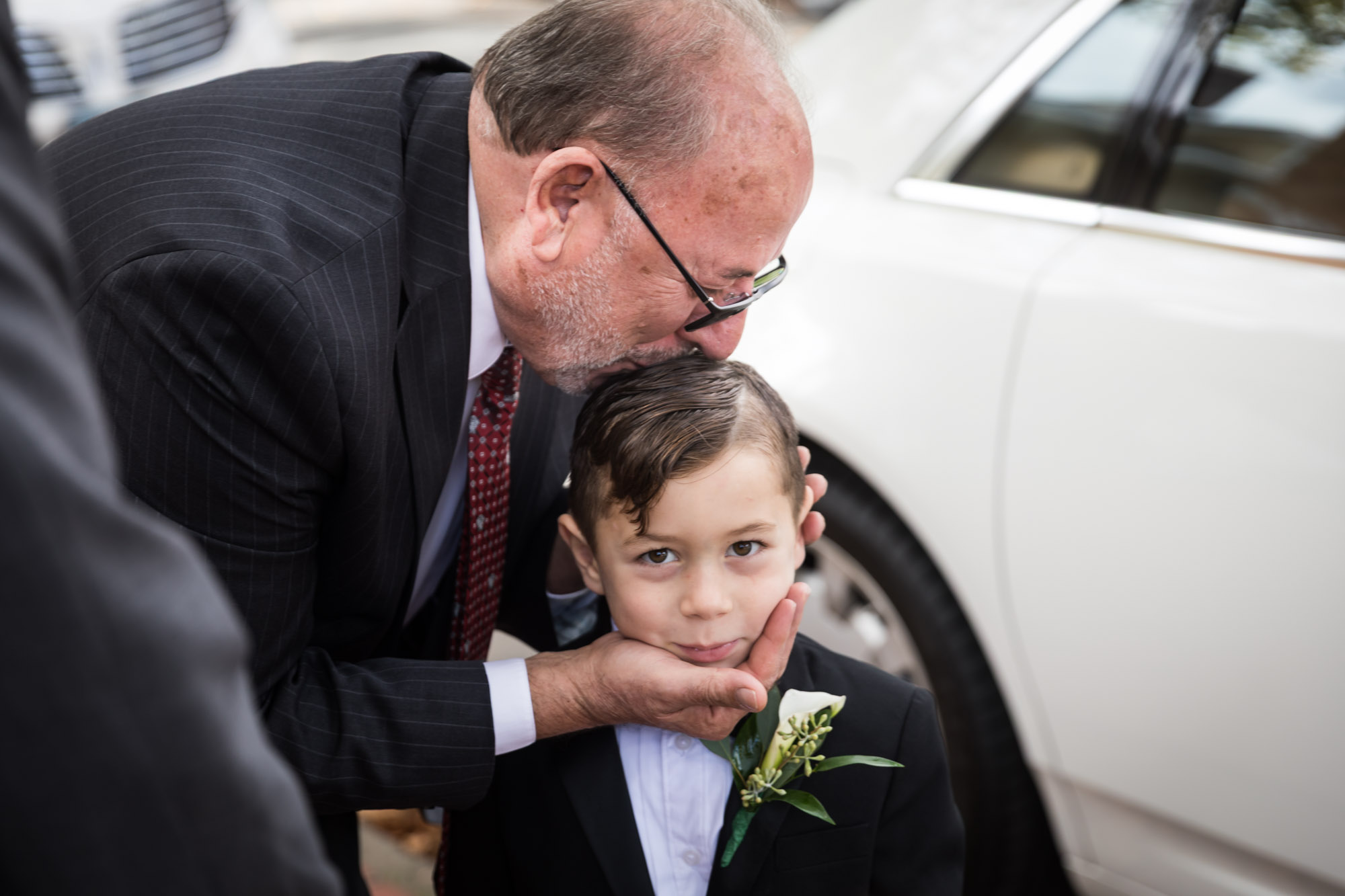
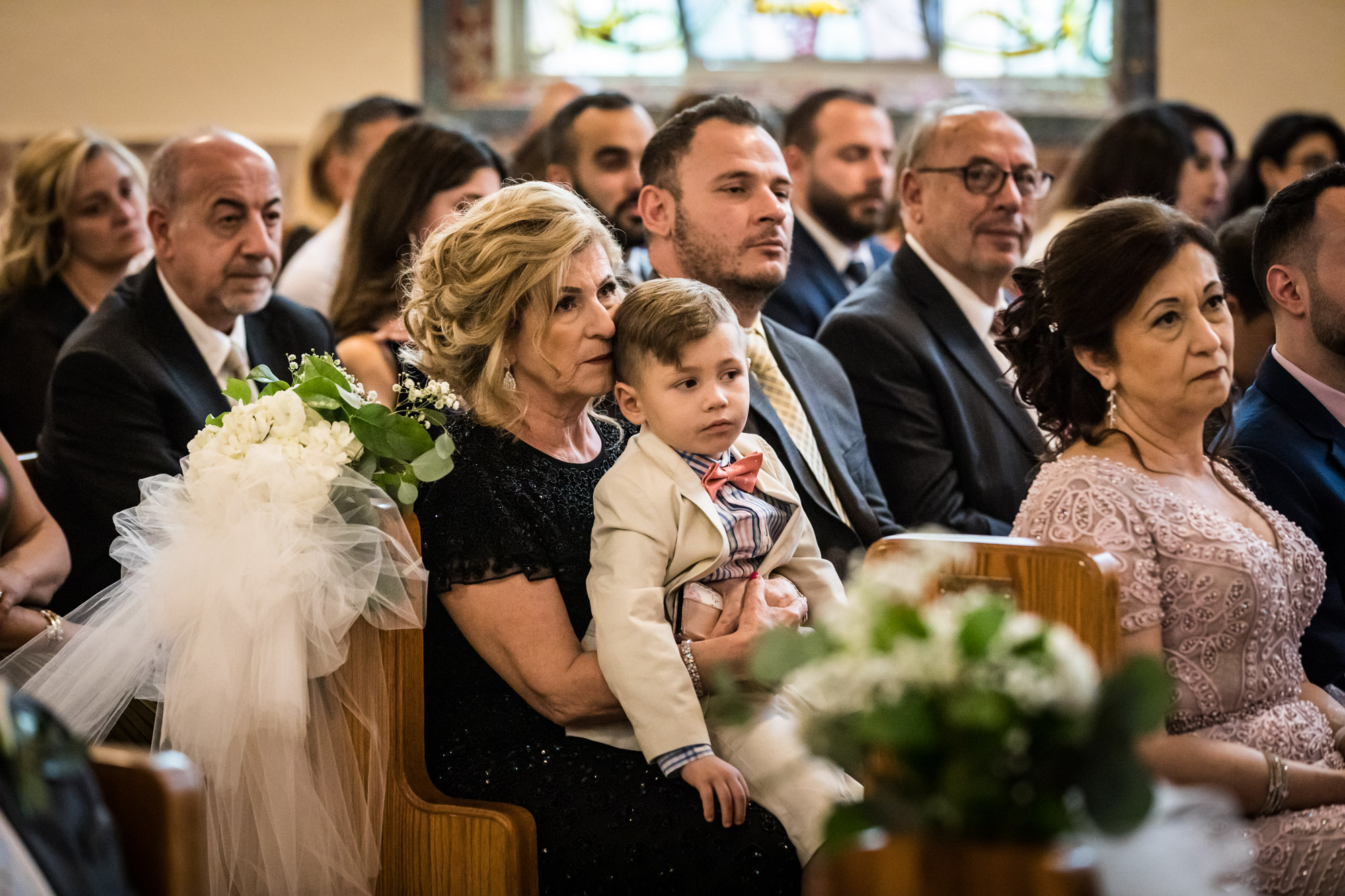
- Watch the families. Parents and grandparents often have the most expressive faces during the blessing.
Lavash, Honey, Plates, and Foot-Stepping
Some of the most charming traditions are the small ones. In many families, lavash is draped over the couple’s shoulders as a wish for abundance, and some families add honey as a wish for a sweet life together. You may also see the couple take a piece of the bread and a taste of something sweet. Many families also share the playful custom of the bride and groom trying to step on each other’s foot first, with the winner supposedly “ruling” the household. A broken plate at the threshold of the new home is another symbolic gesture for luck and prosperity that some families still keep.
How it has changed. These traditions have turned into some of the best photo moments precisely because they are playful. Couples now stage them at the reception entrance, at the end of the ceremony, or even during portraits, and guests love them.
How to photograph them.
- Get close. These moments happen at arm’s length and in seconds.
- Anticipate the foot-stepping. Keep your shutter ready and shoot a burst.
- Photograph the audience. The laughter from the family is half the story.
The Reception
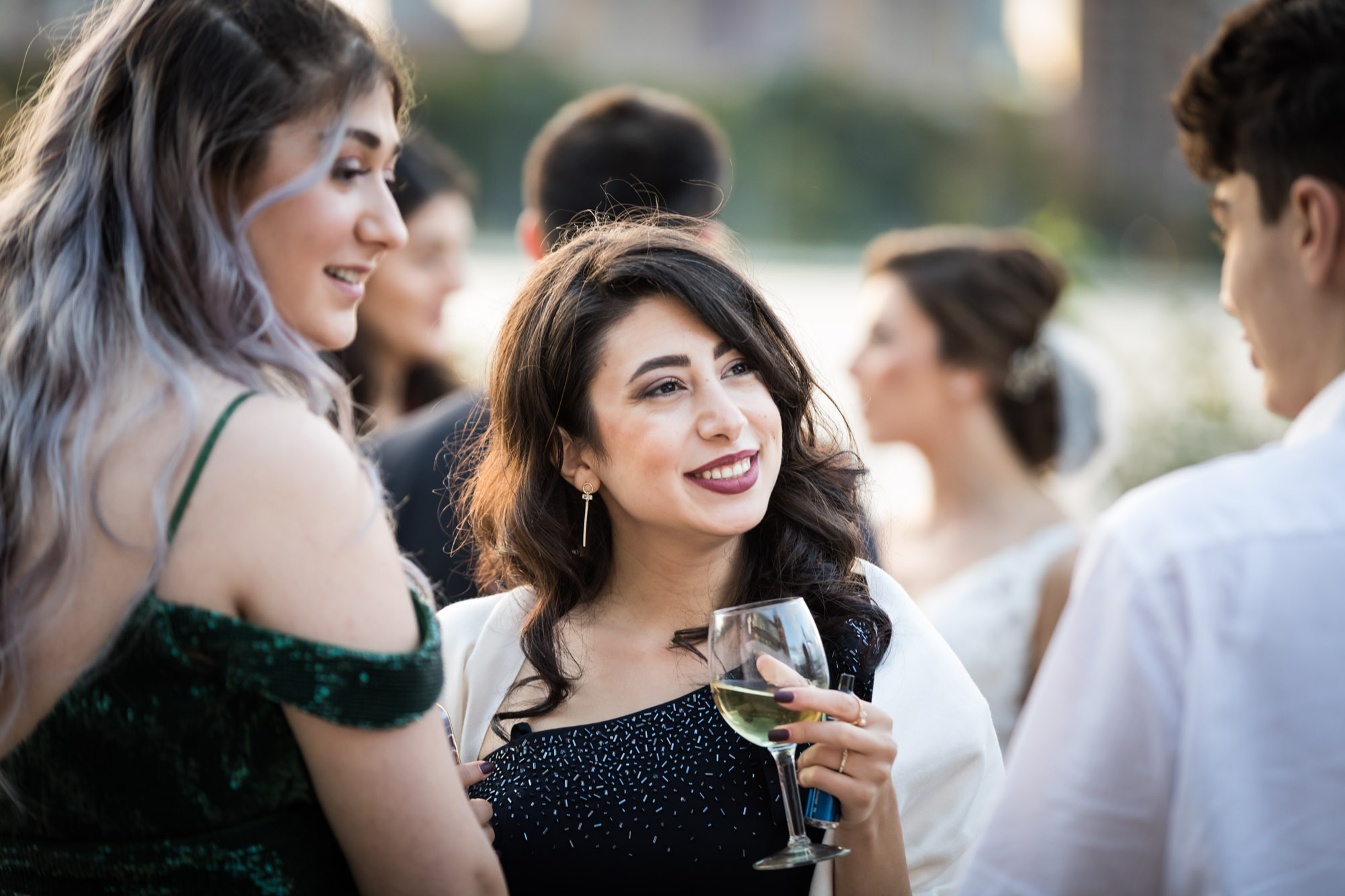
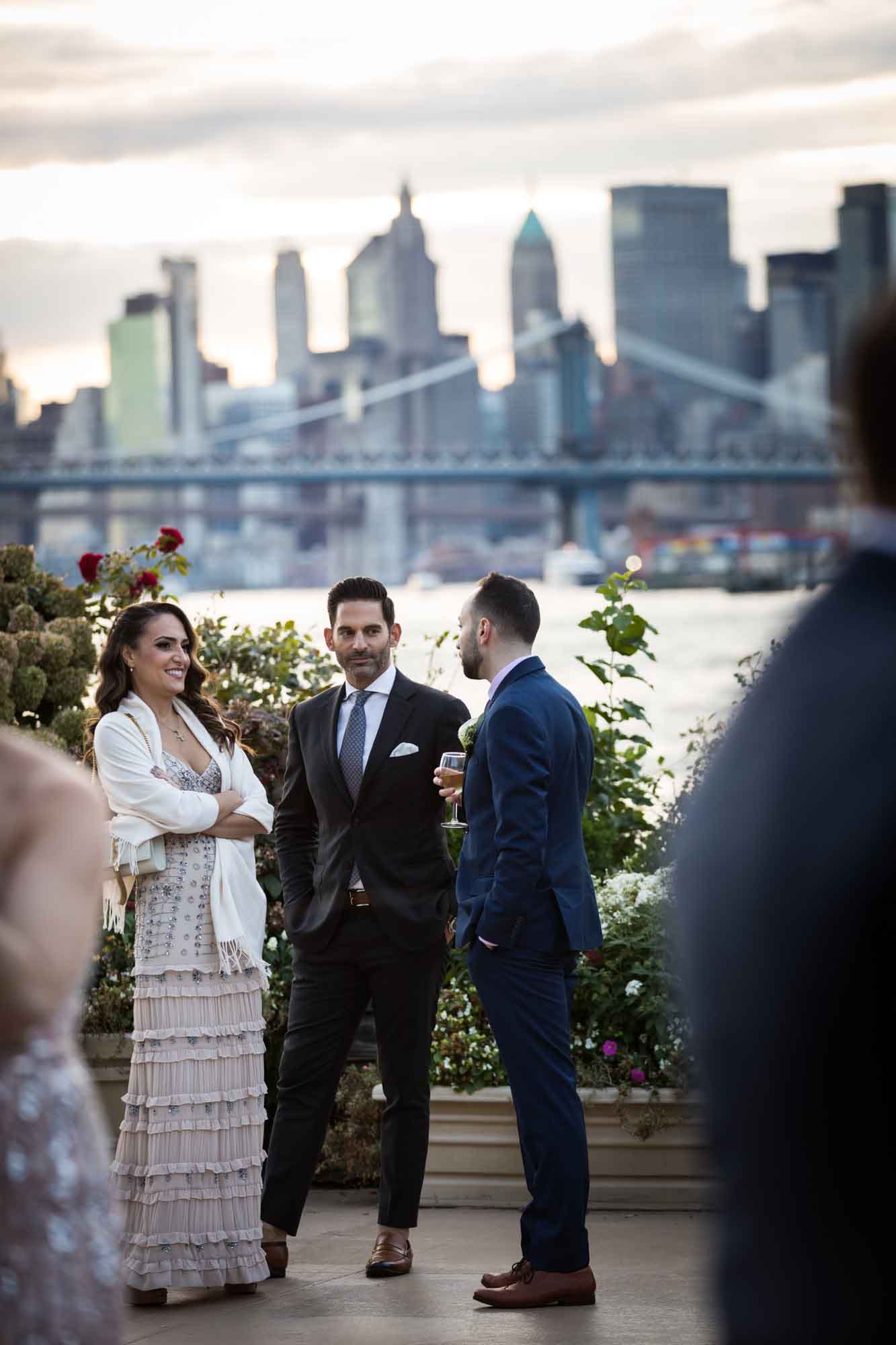
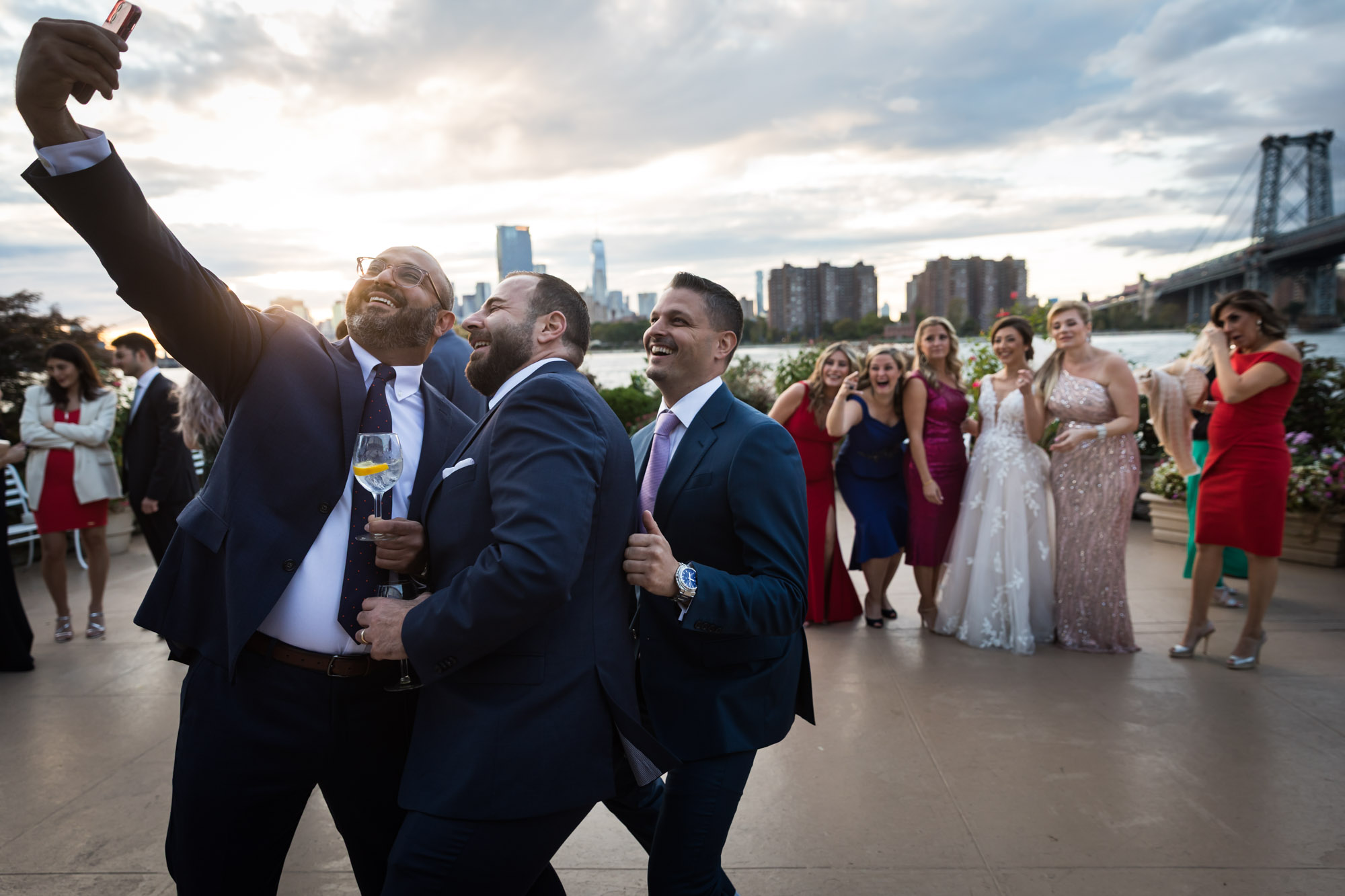
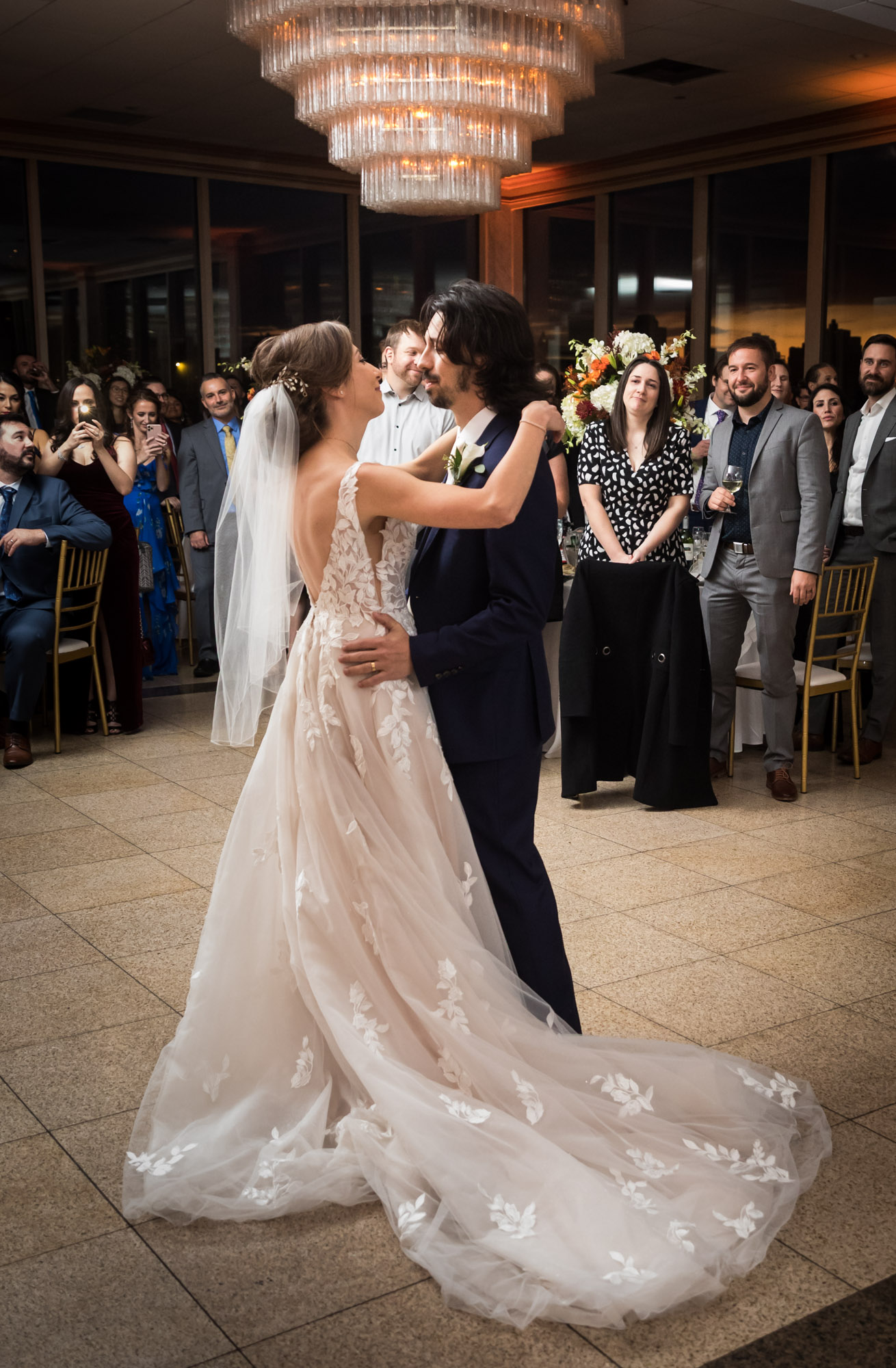
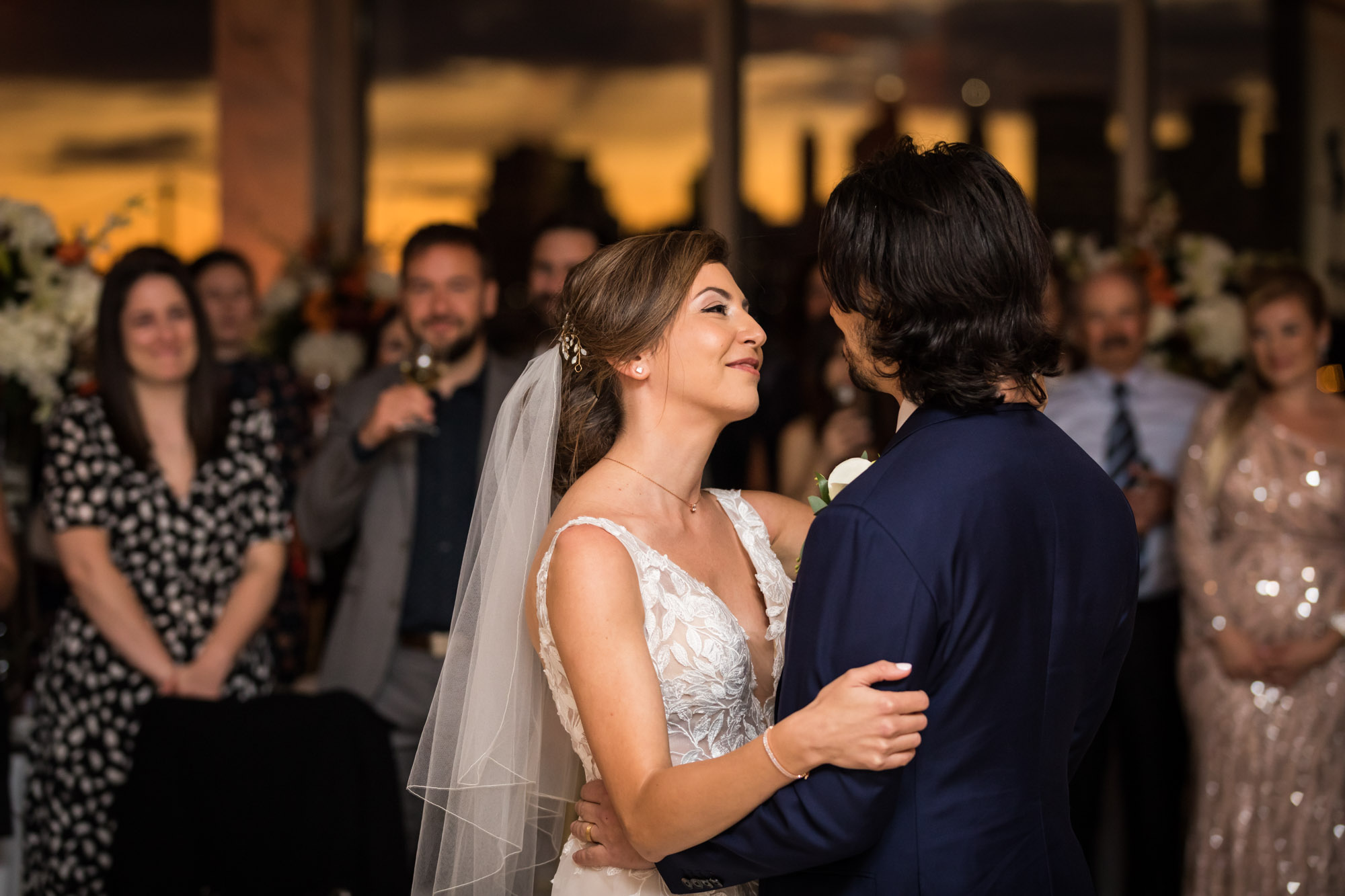
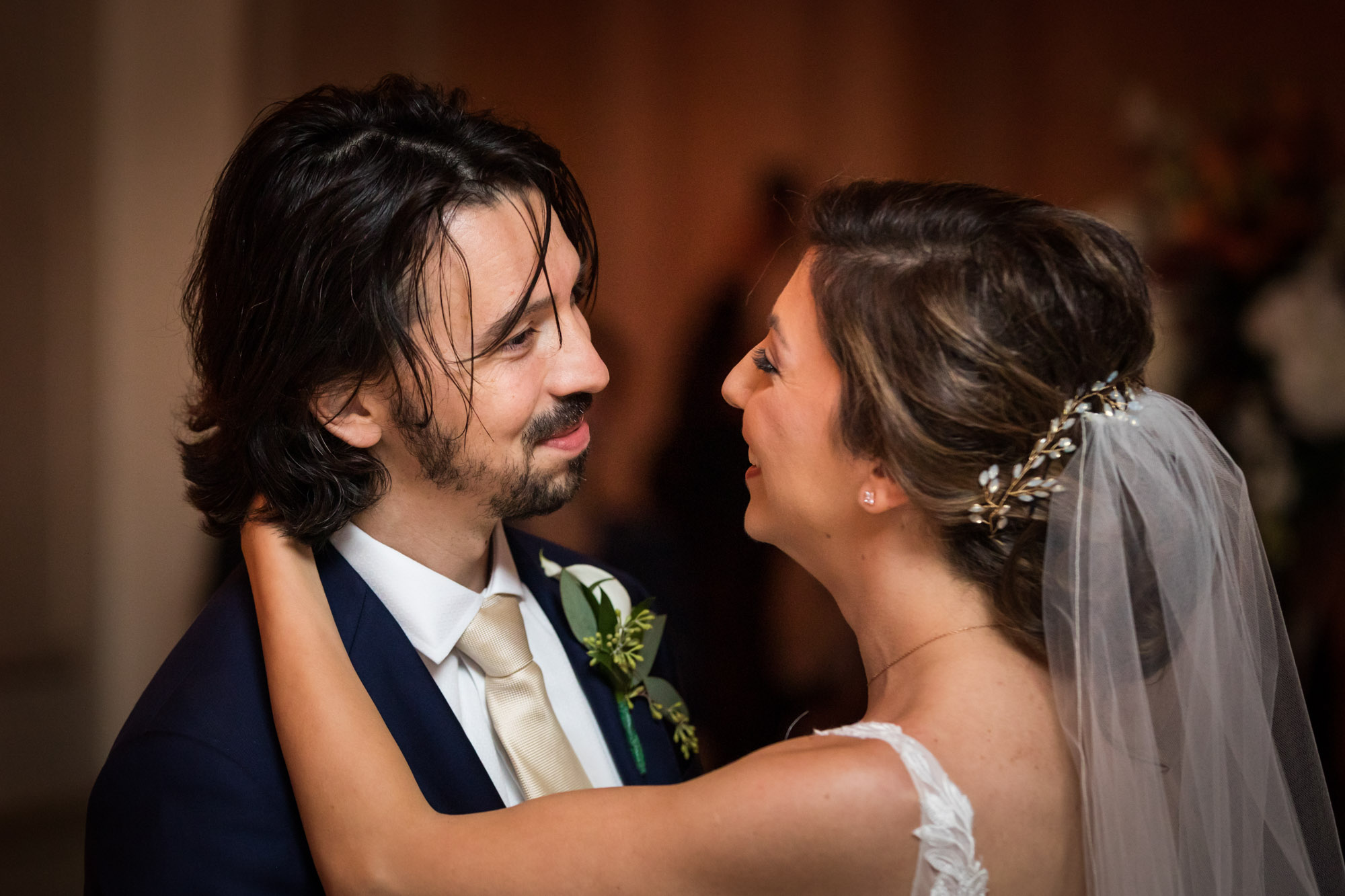
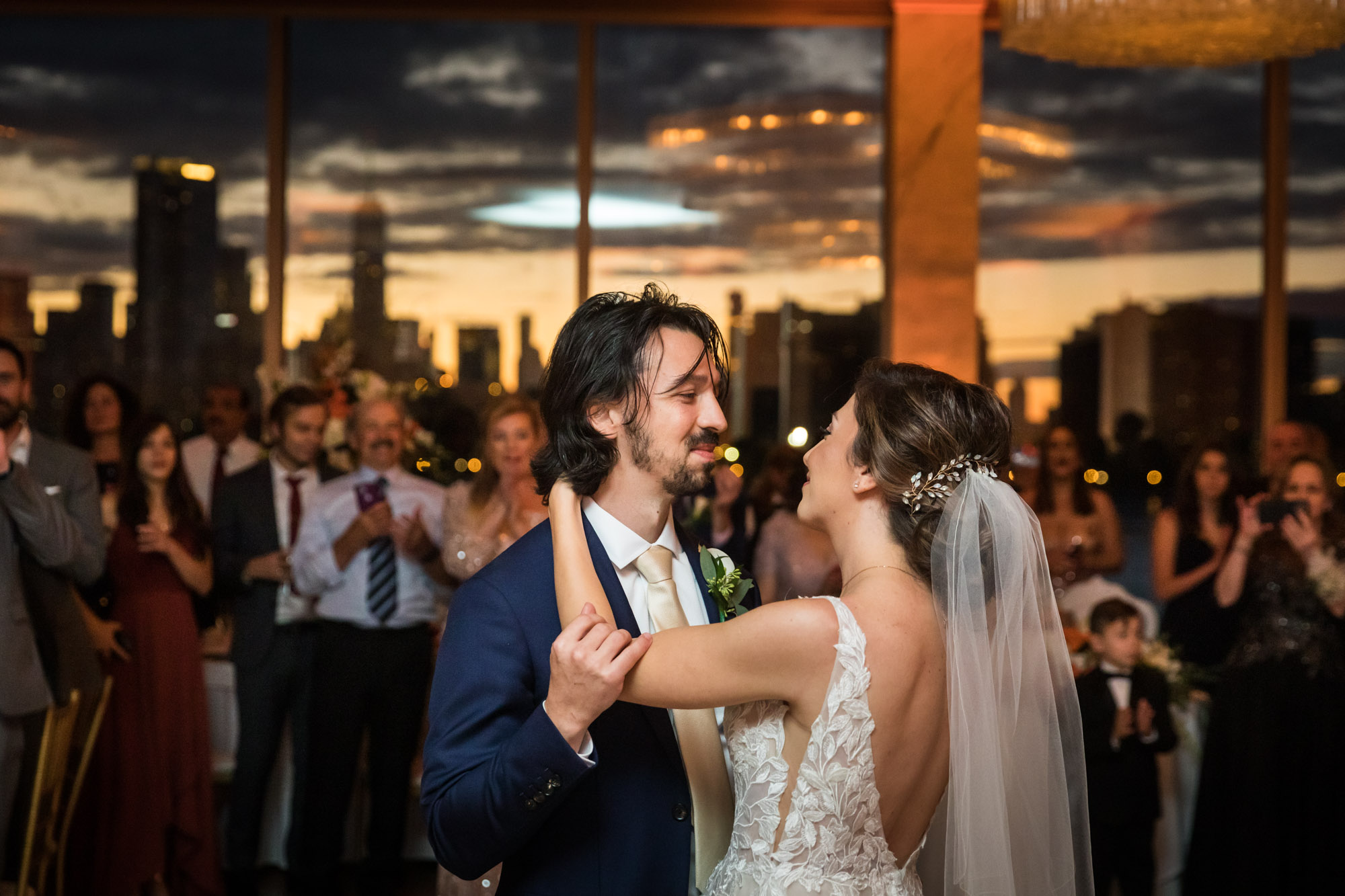
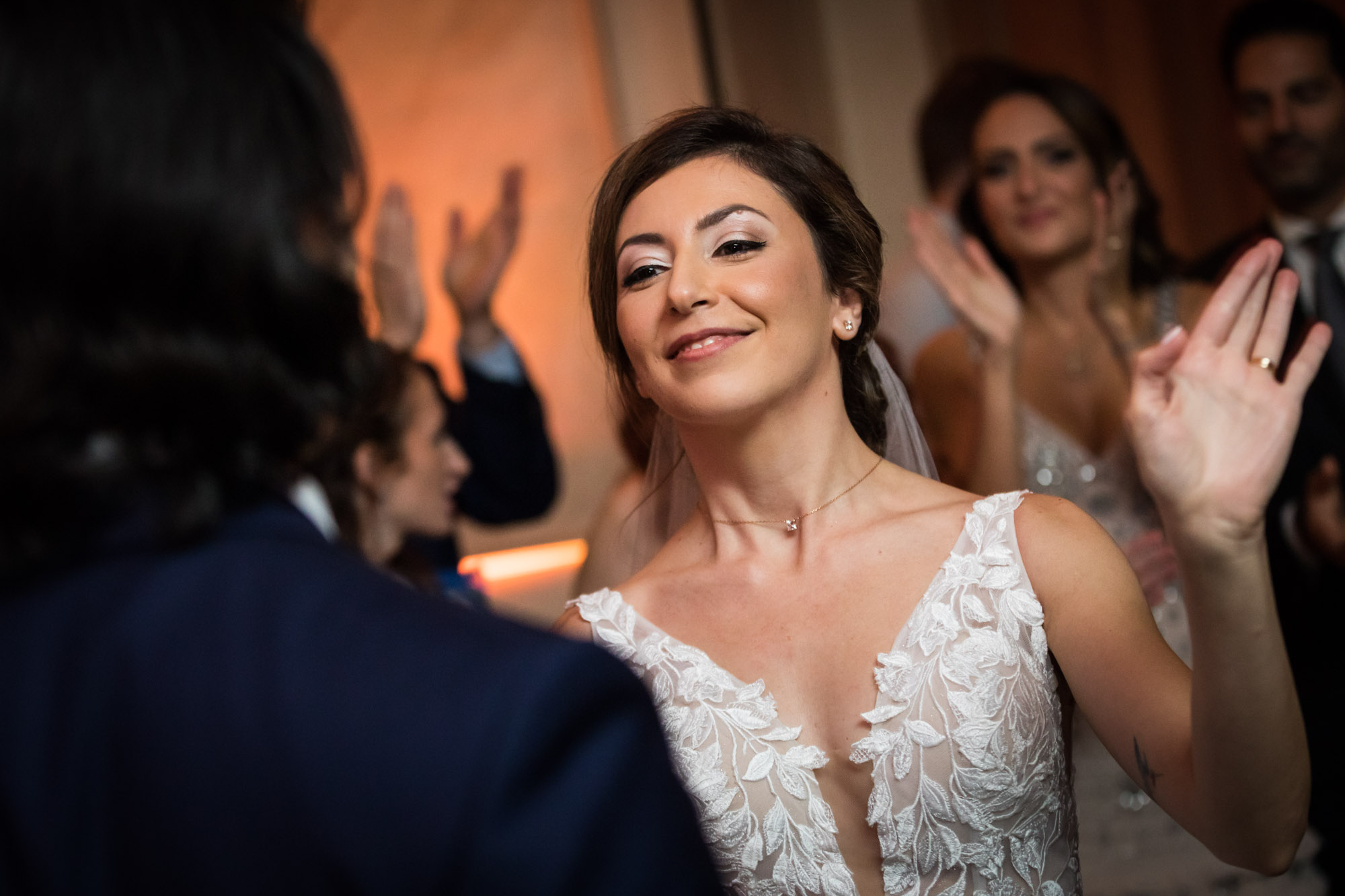
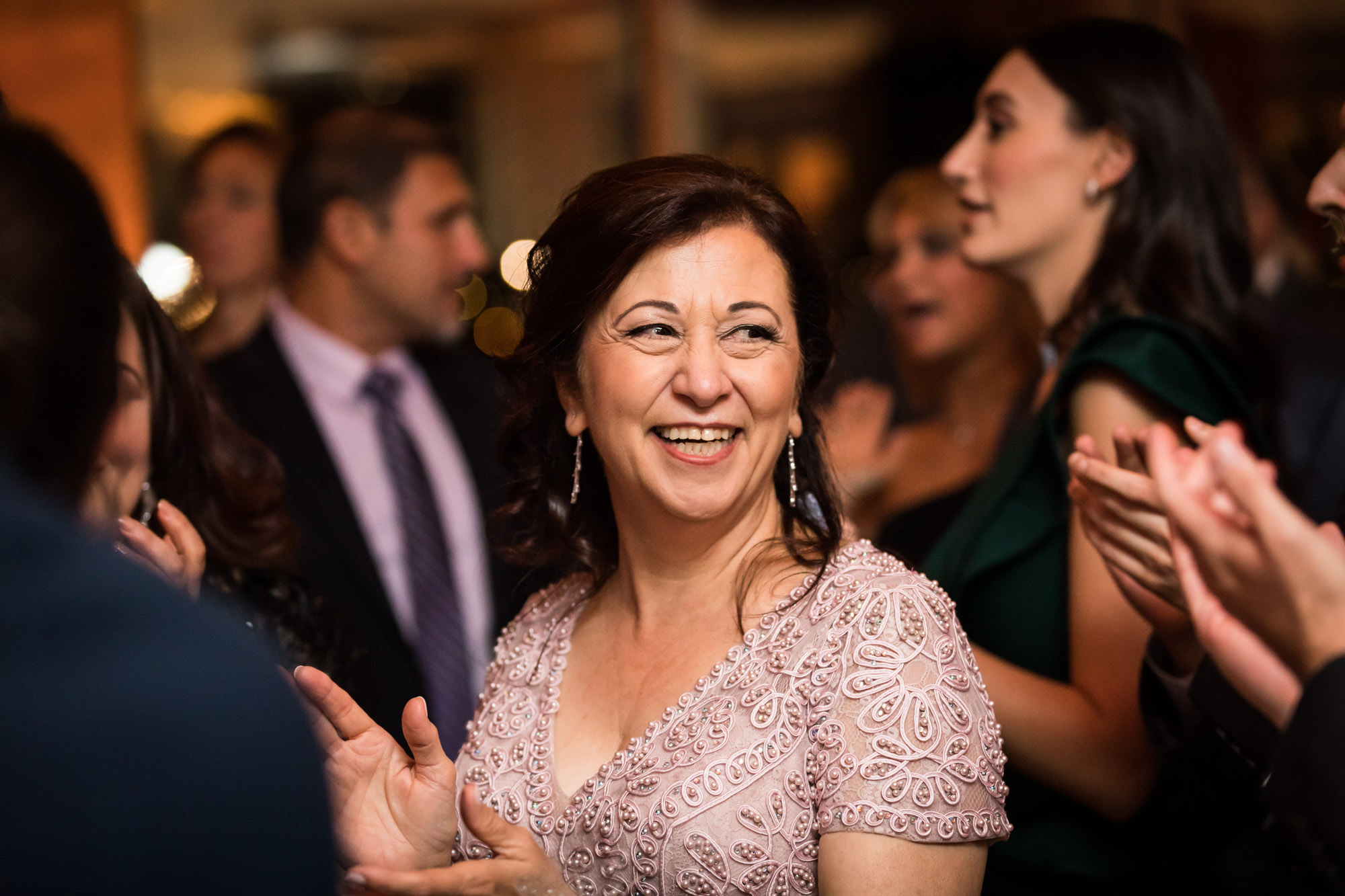
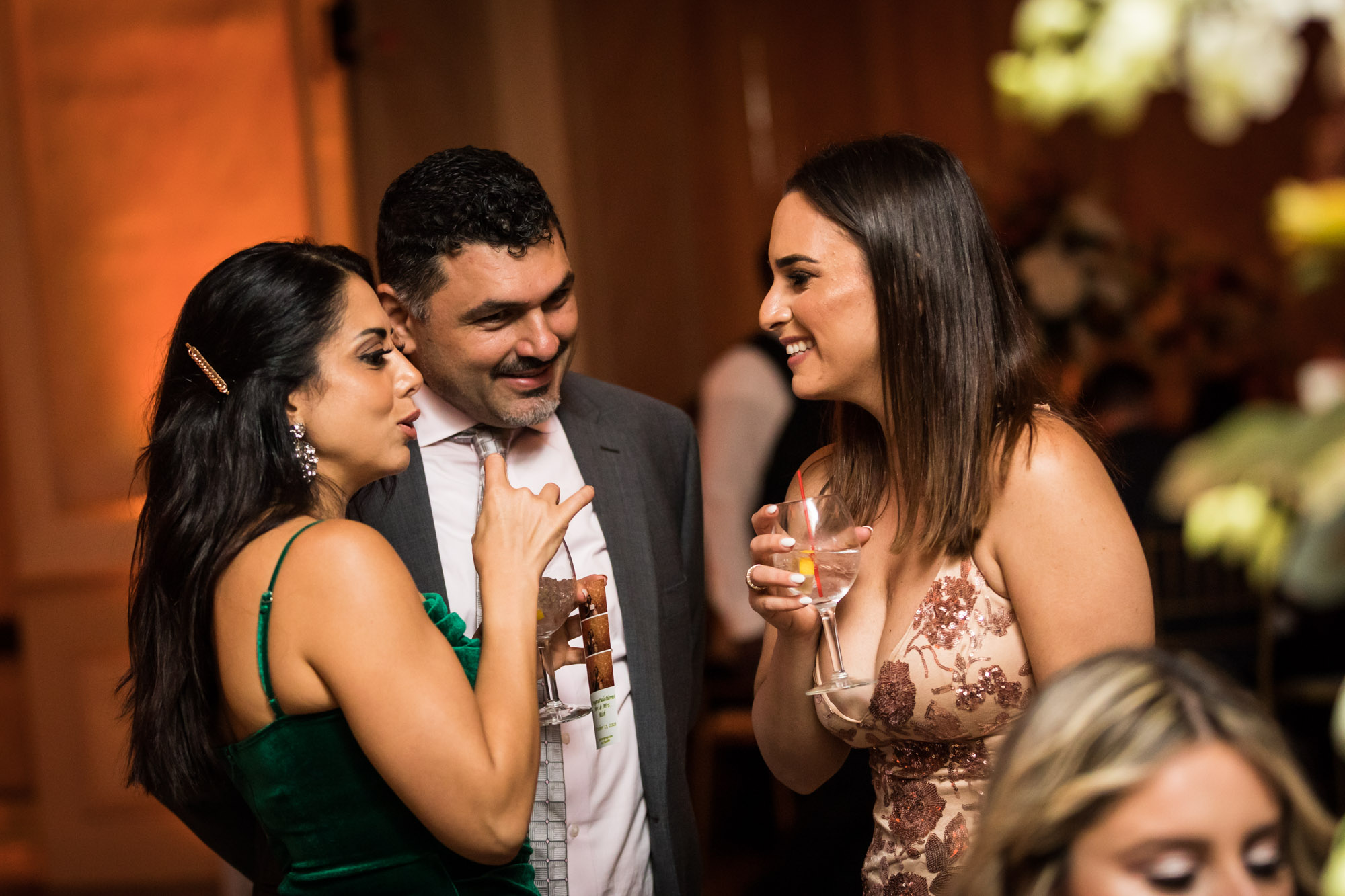
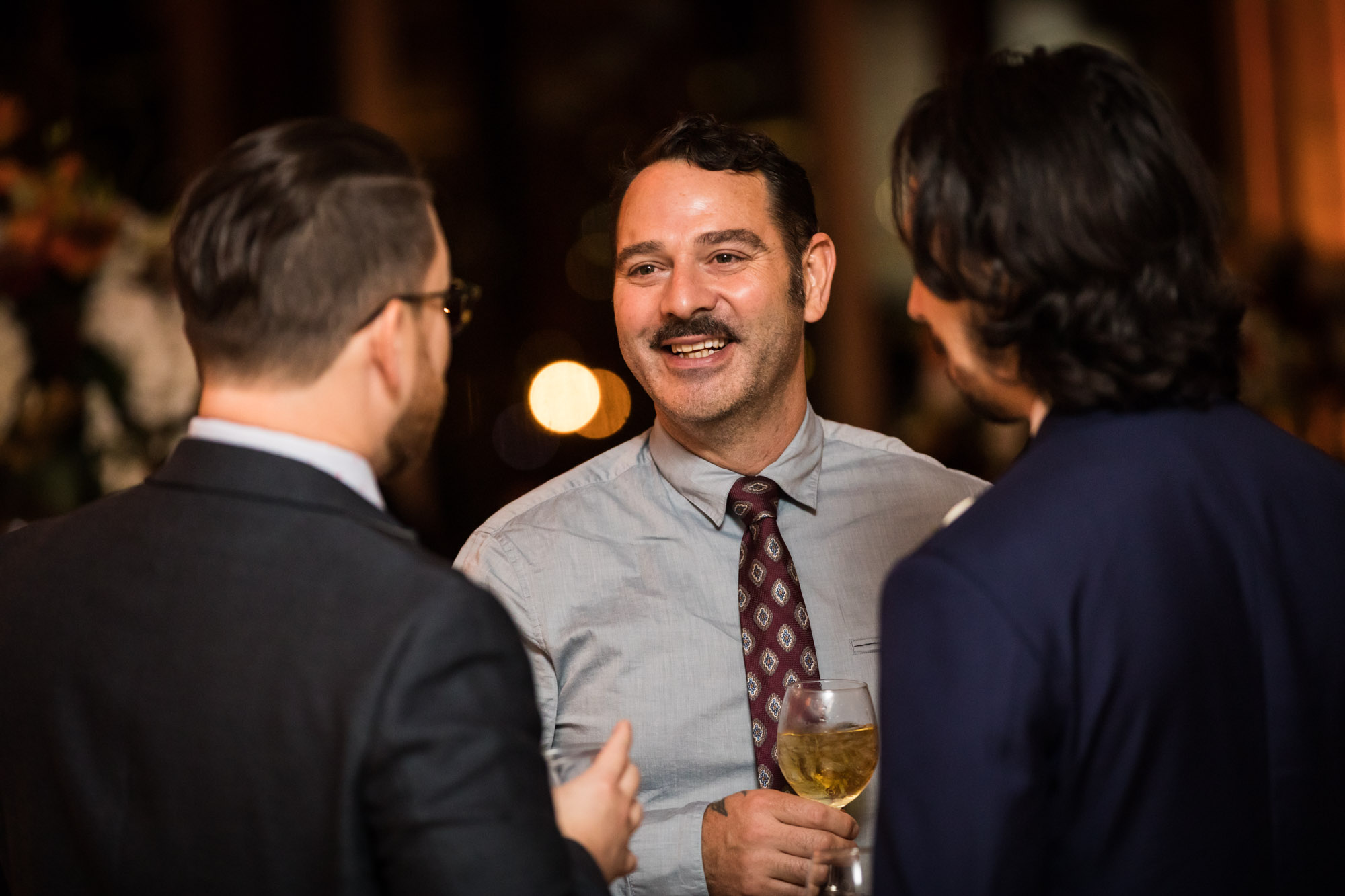
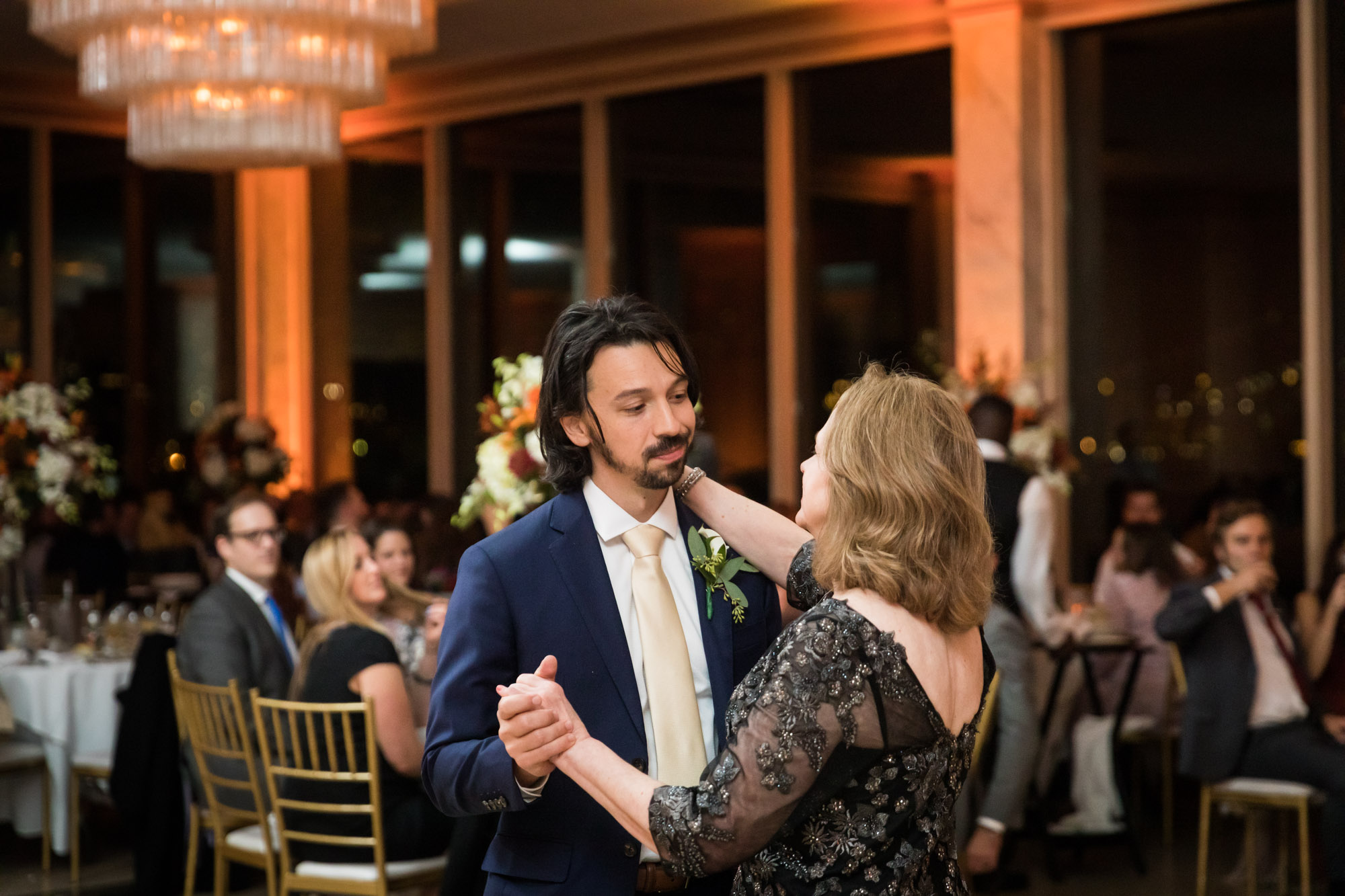
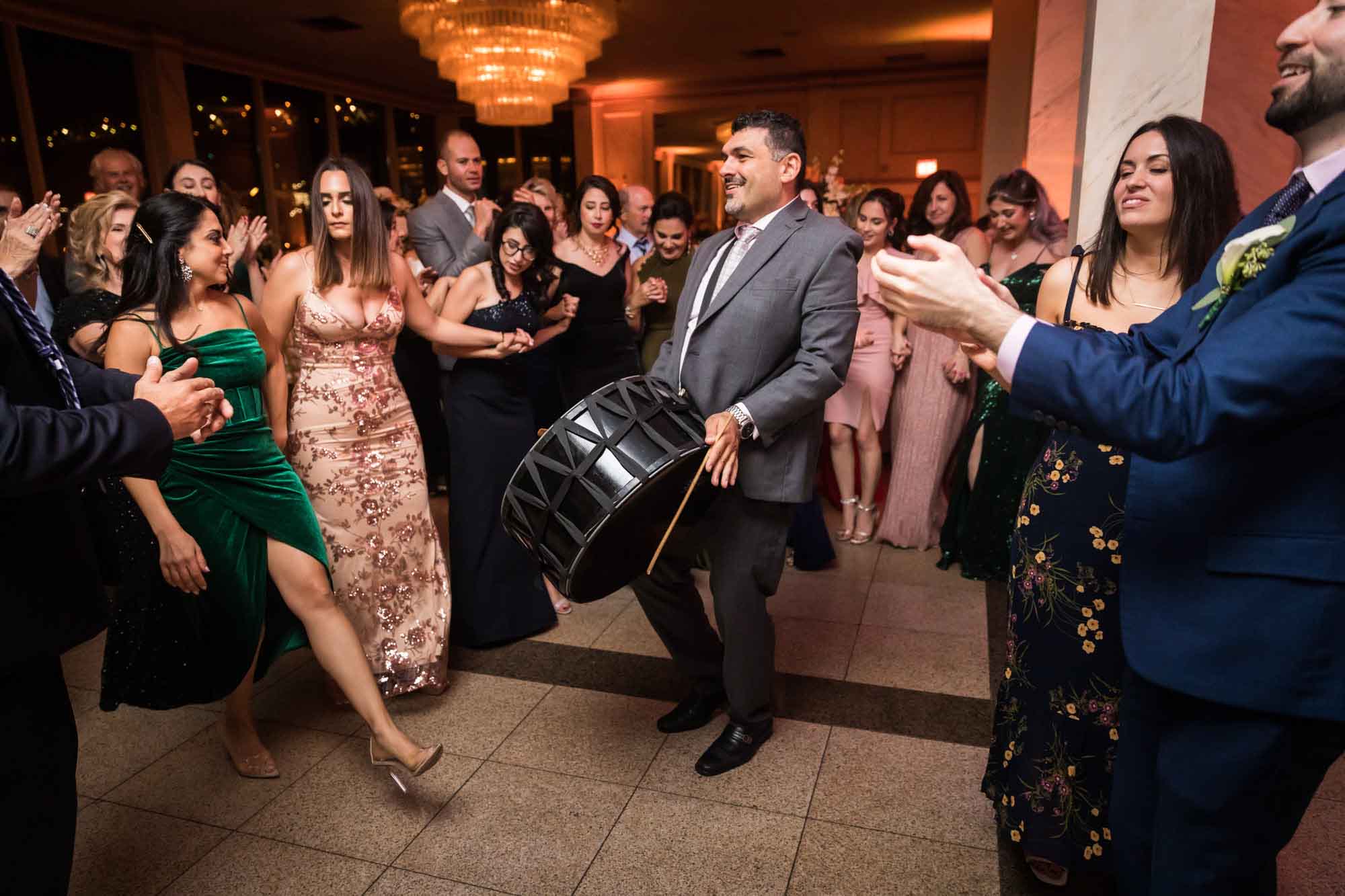
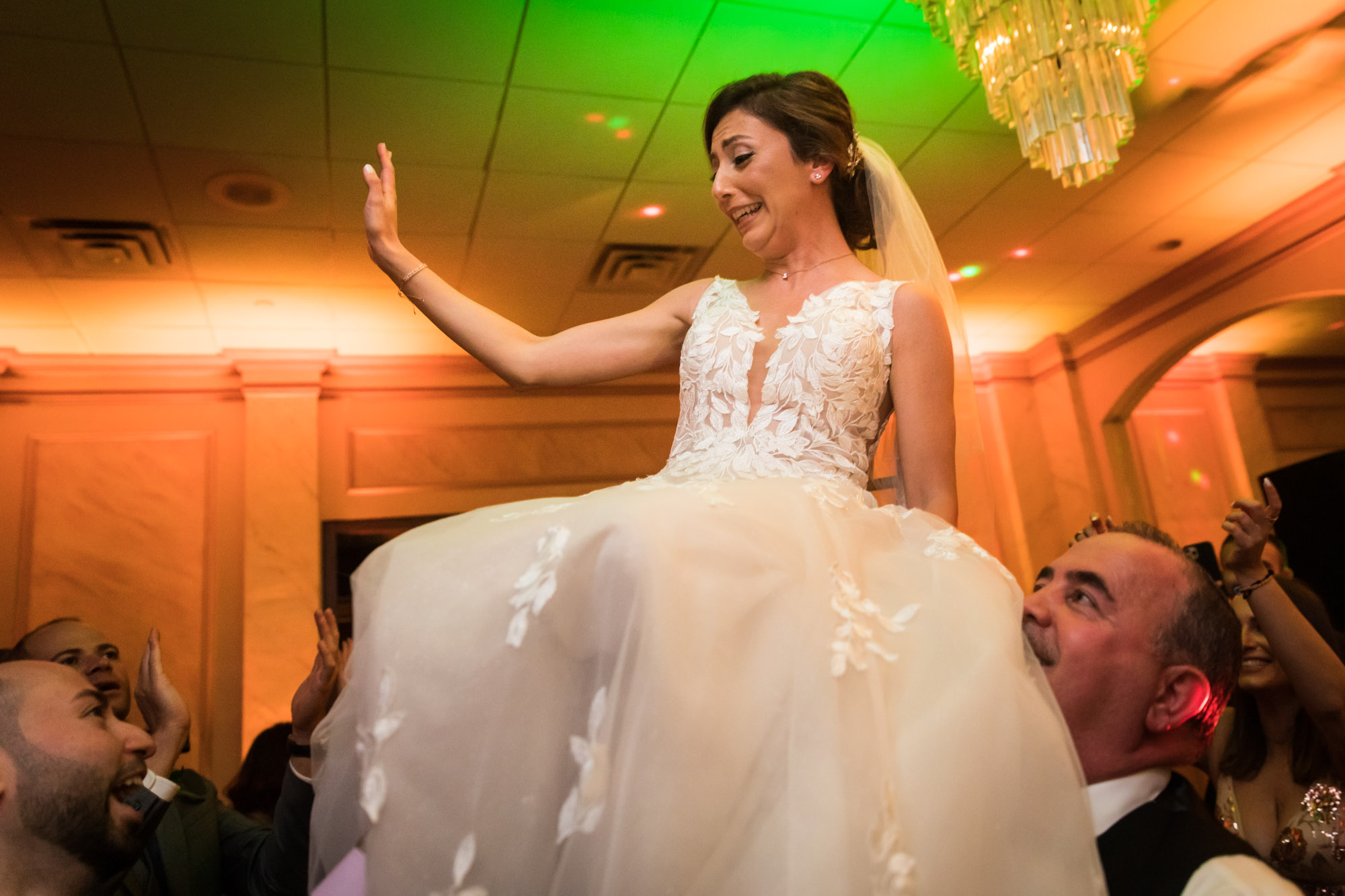
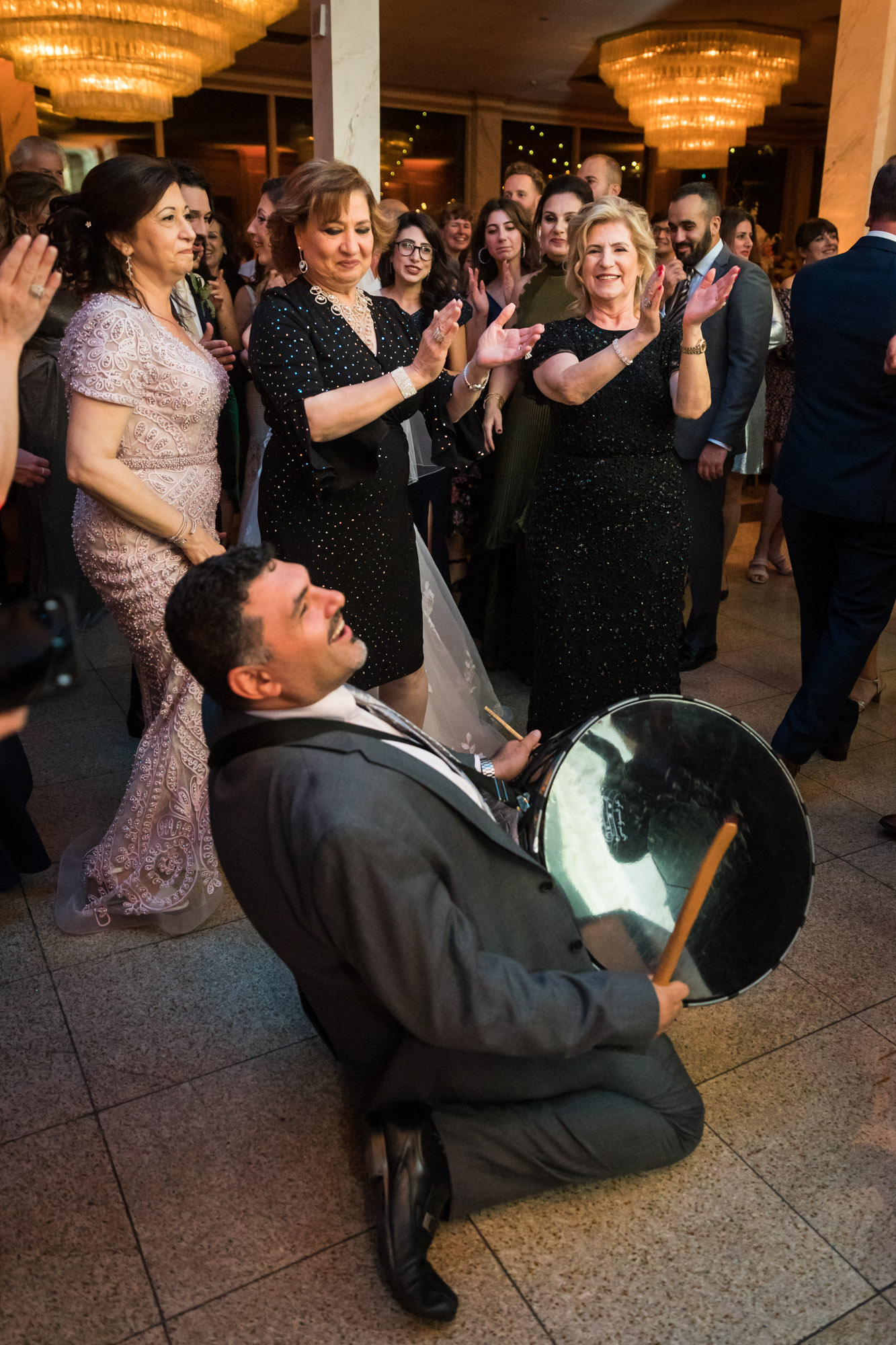
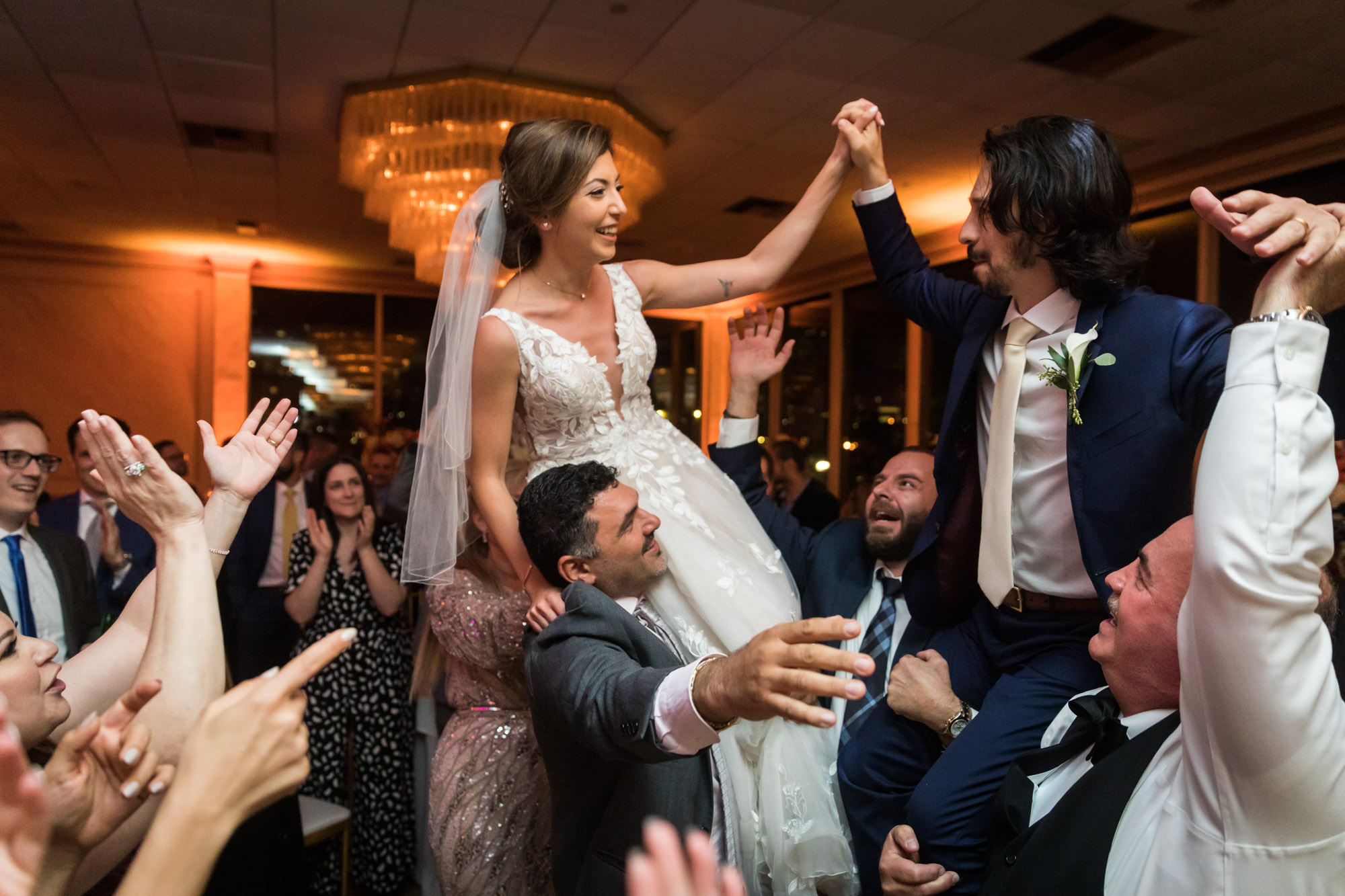
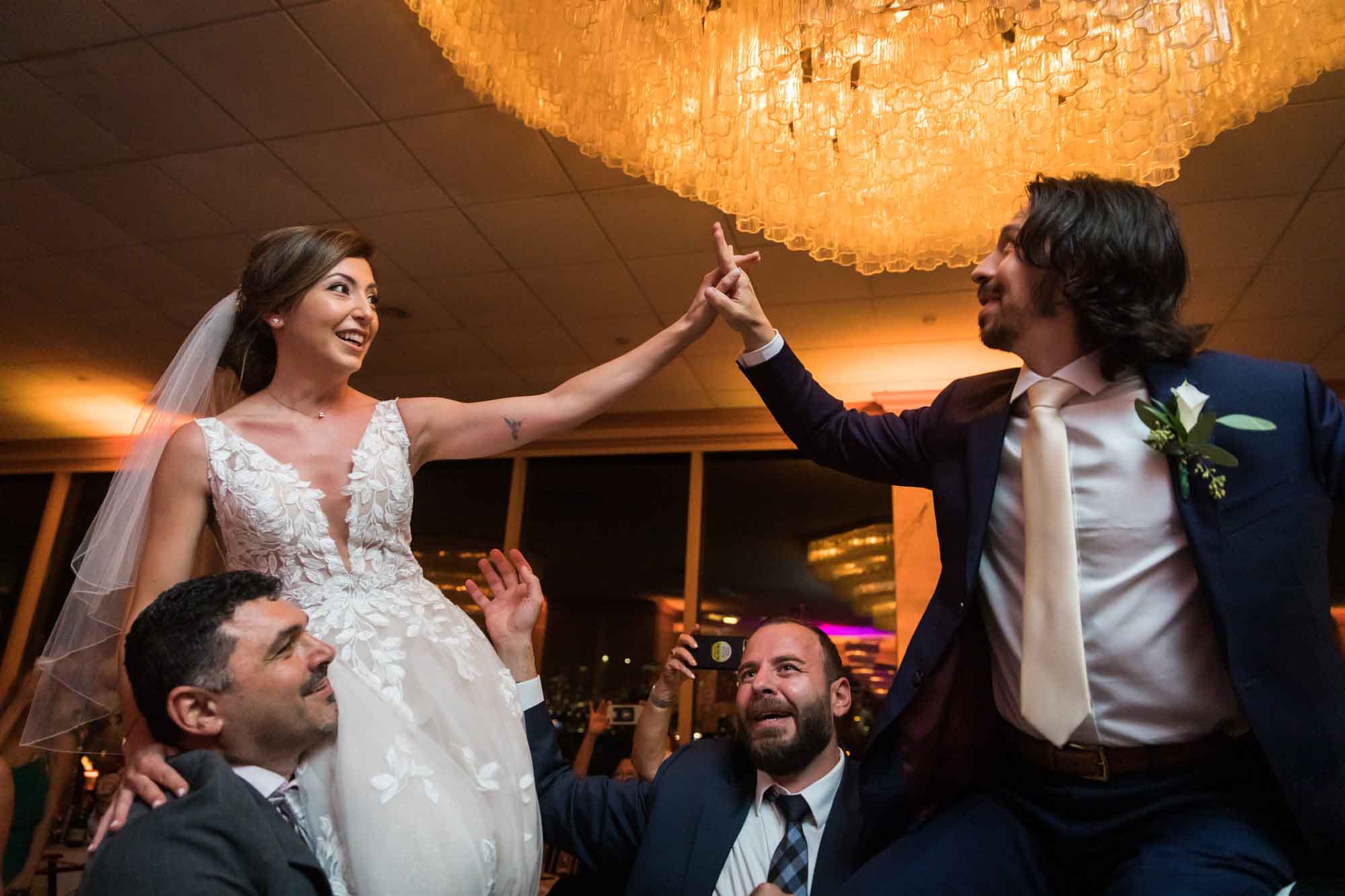
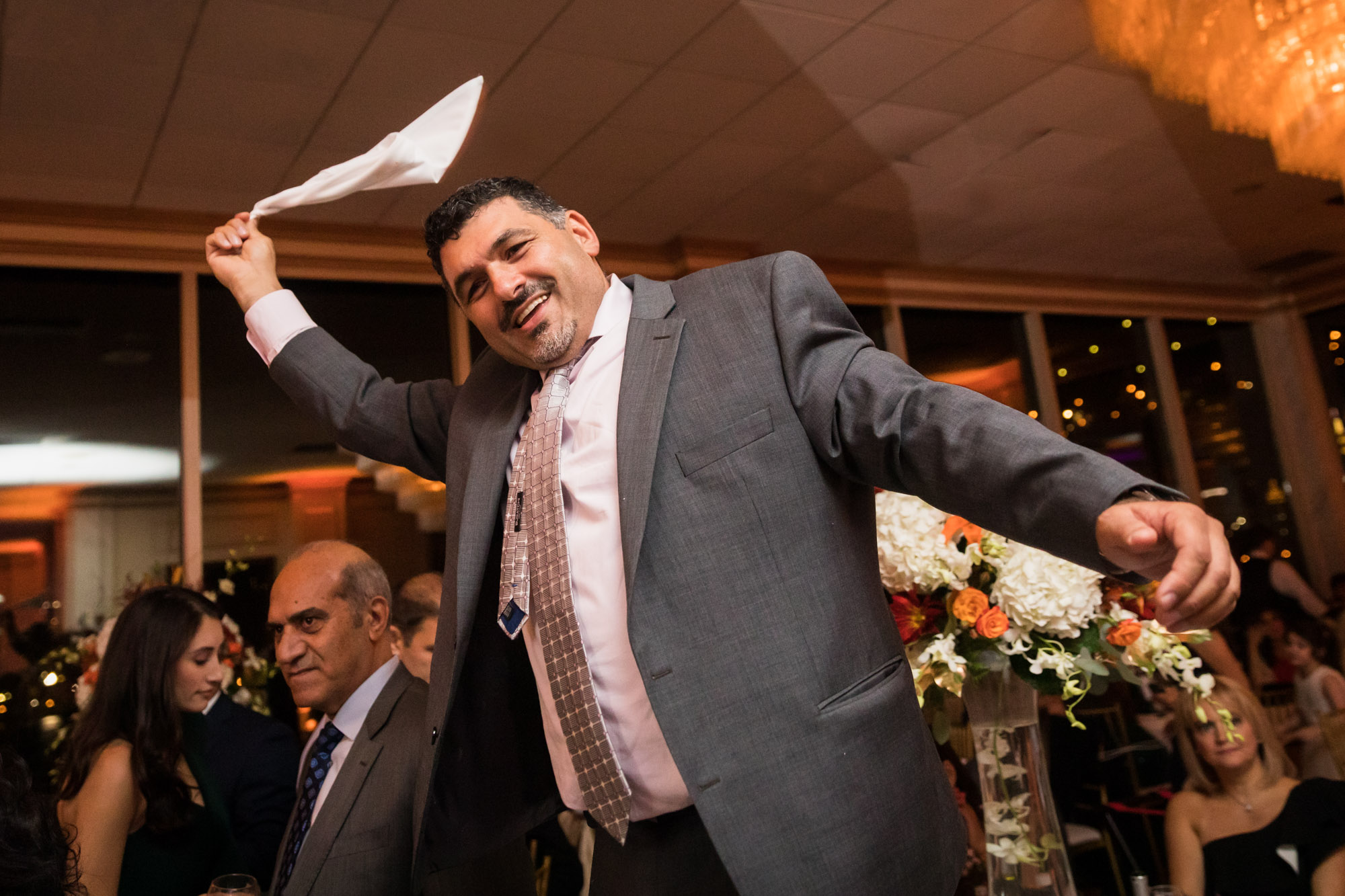
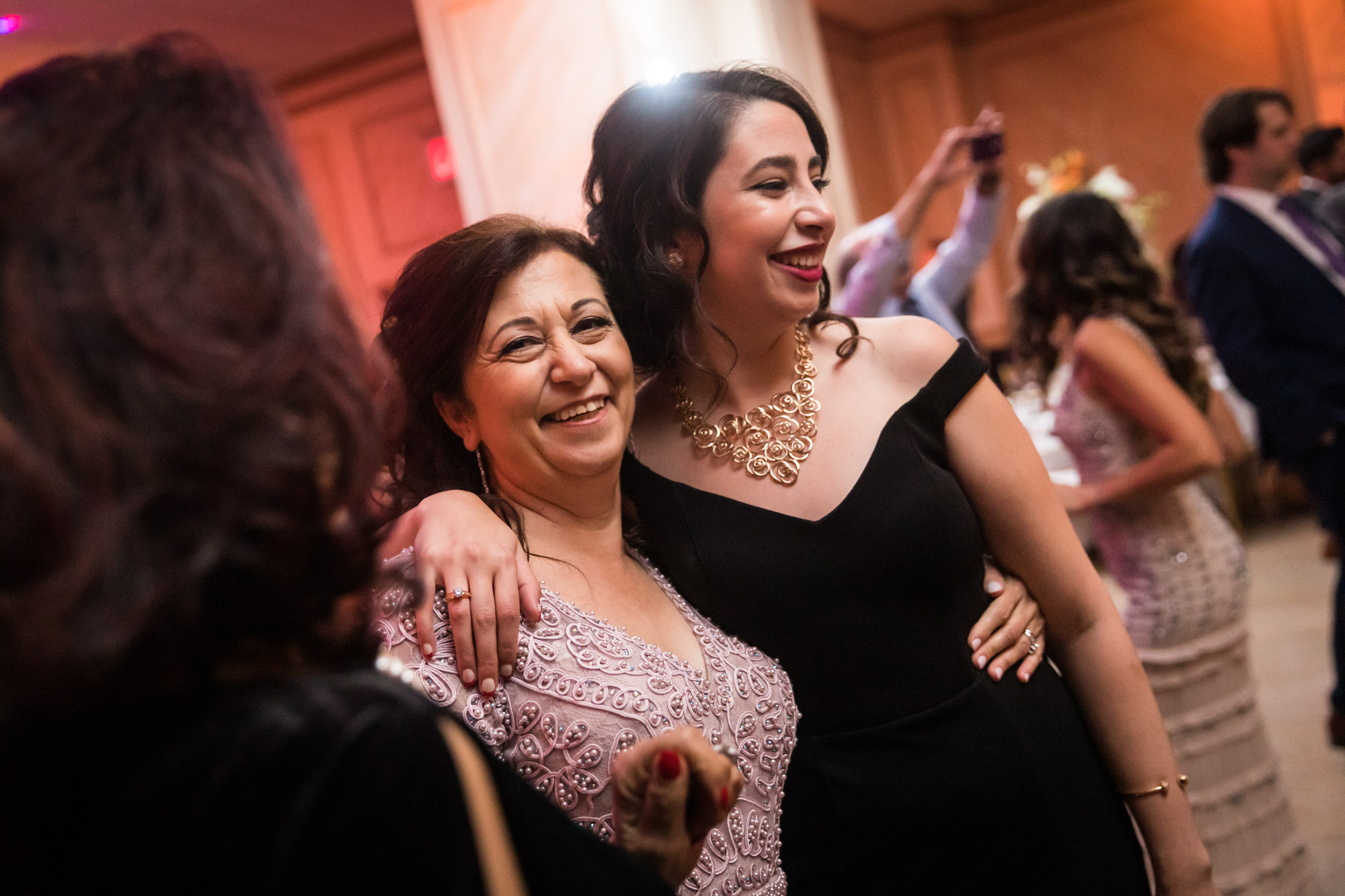
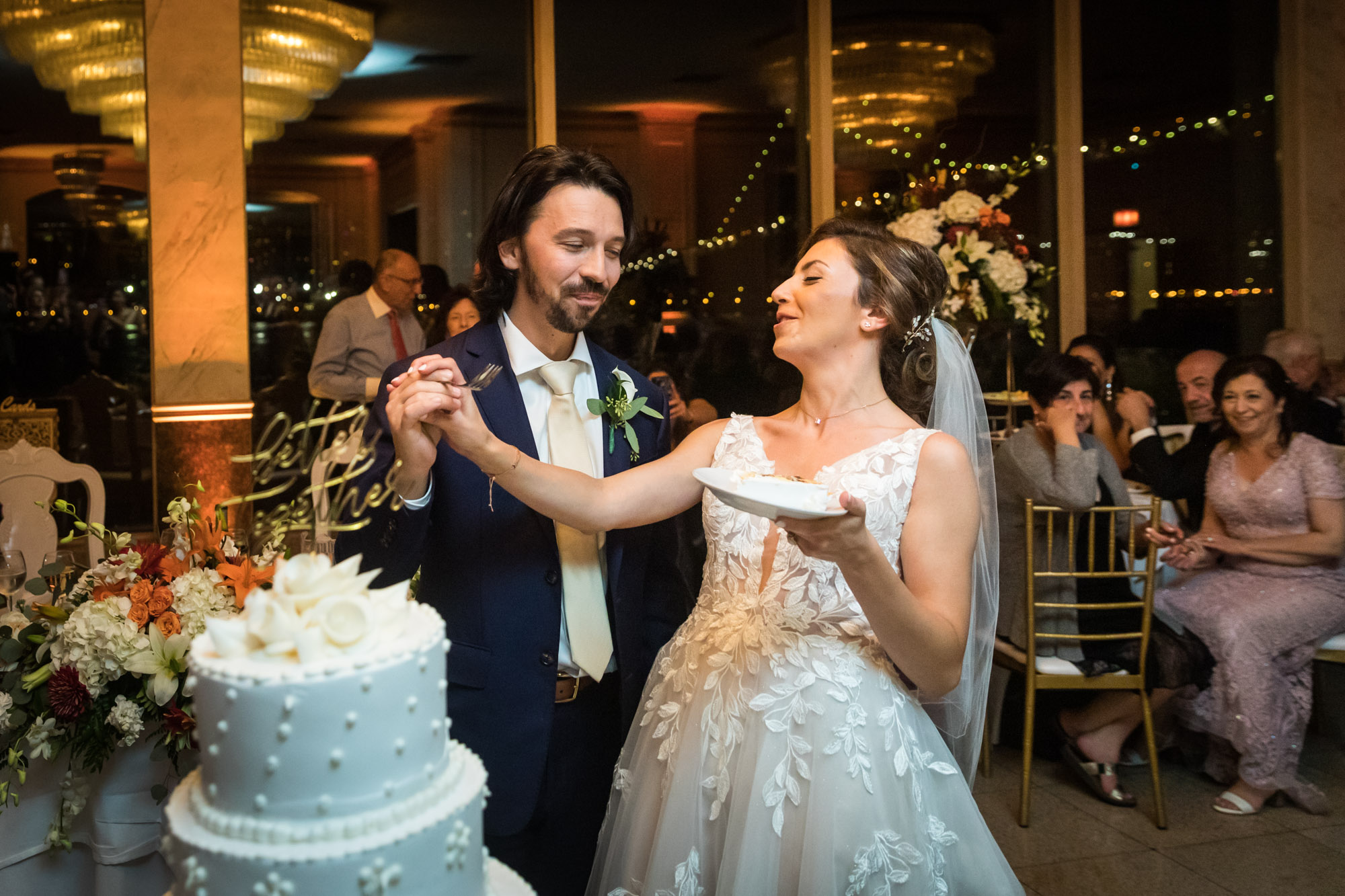
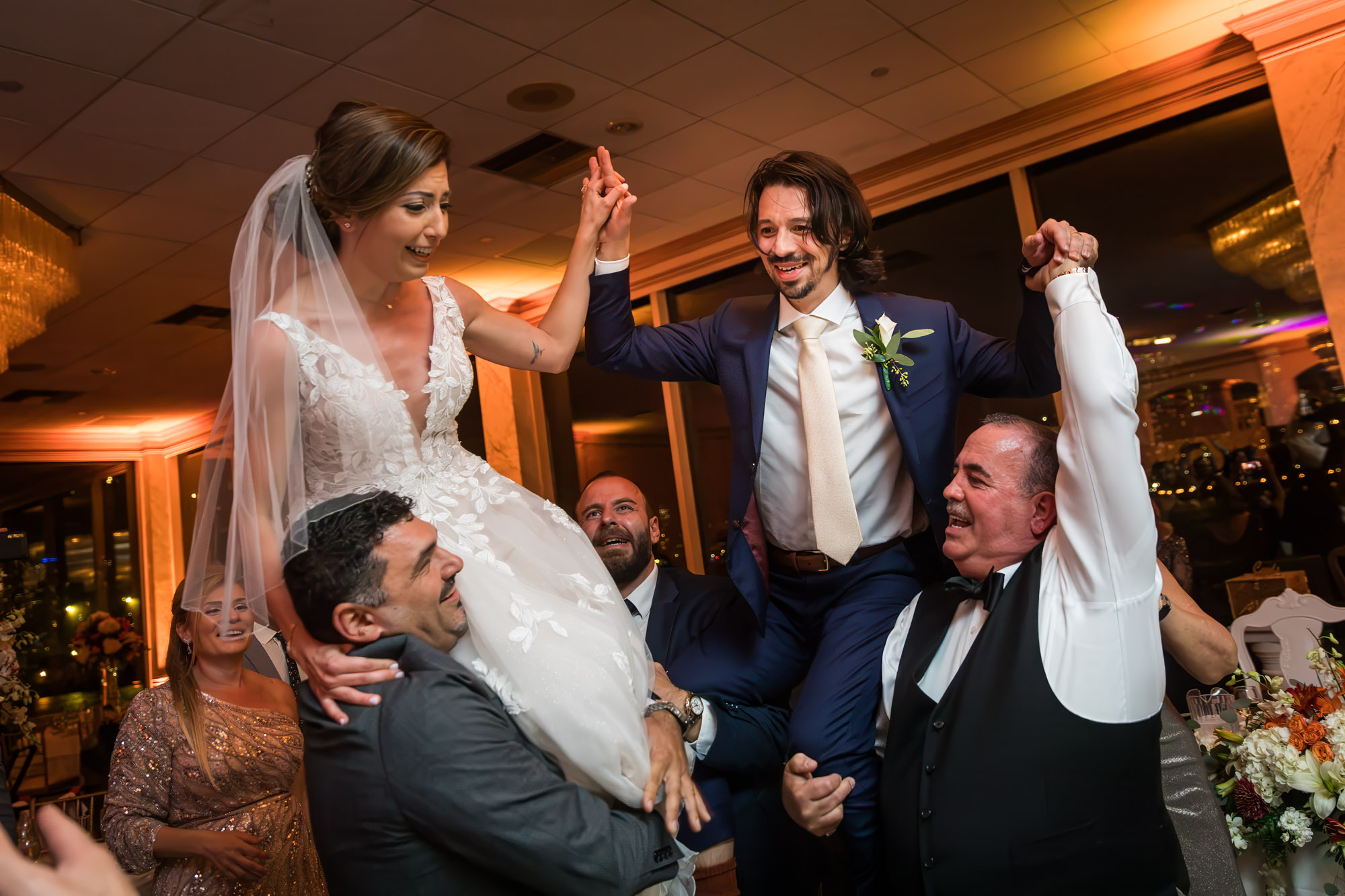
If you have never photographed an Armenian reception, here is what to expect. It is big. It is loud. And it is very, very fun. Receptions often run late and include a grand entrance, long toasts, a dinner that nobody leaves hungry from, and a live band or DJ that has the entire room on the floor.
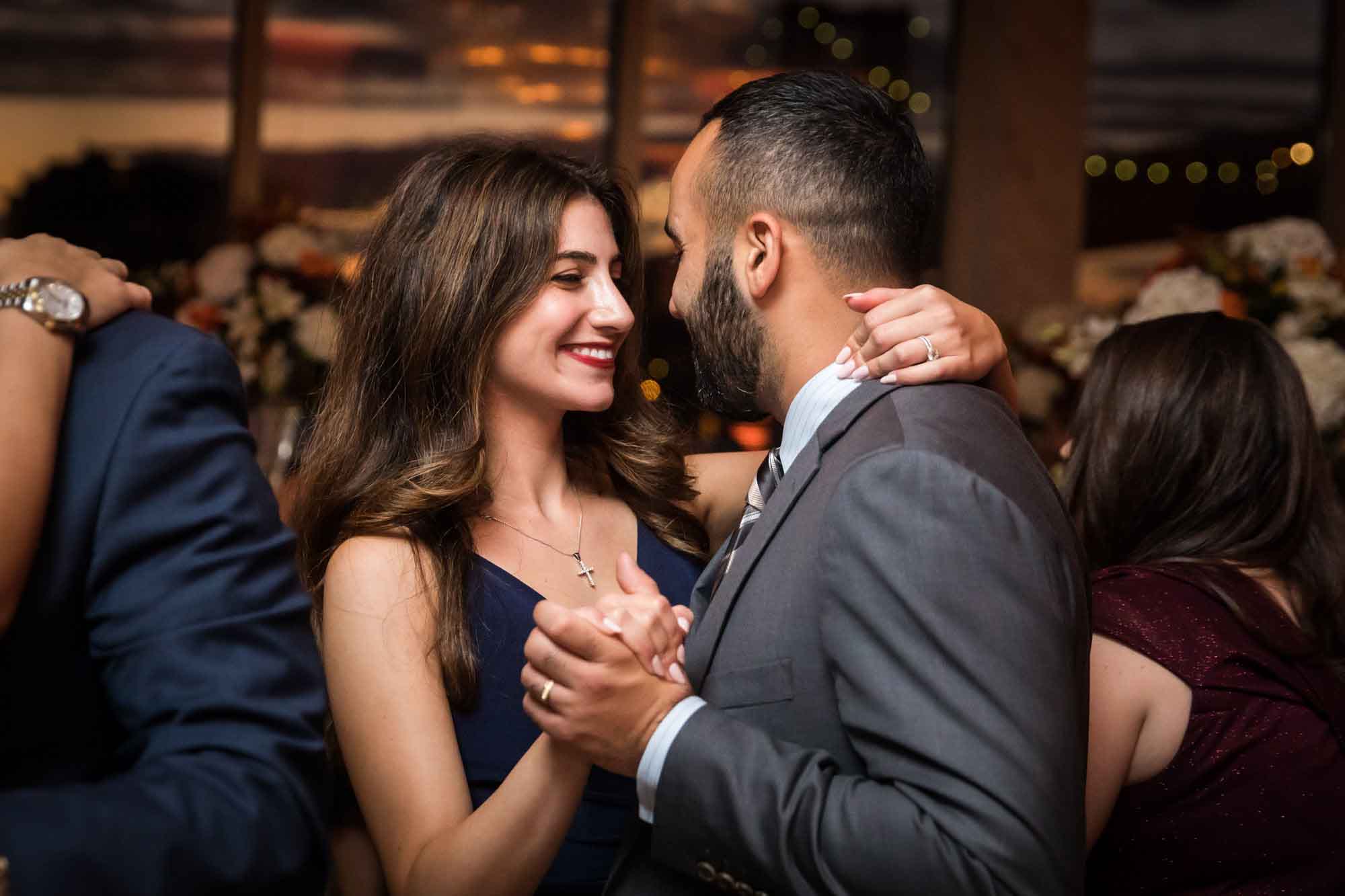
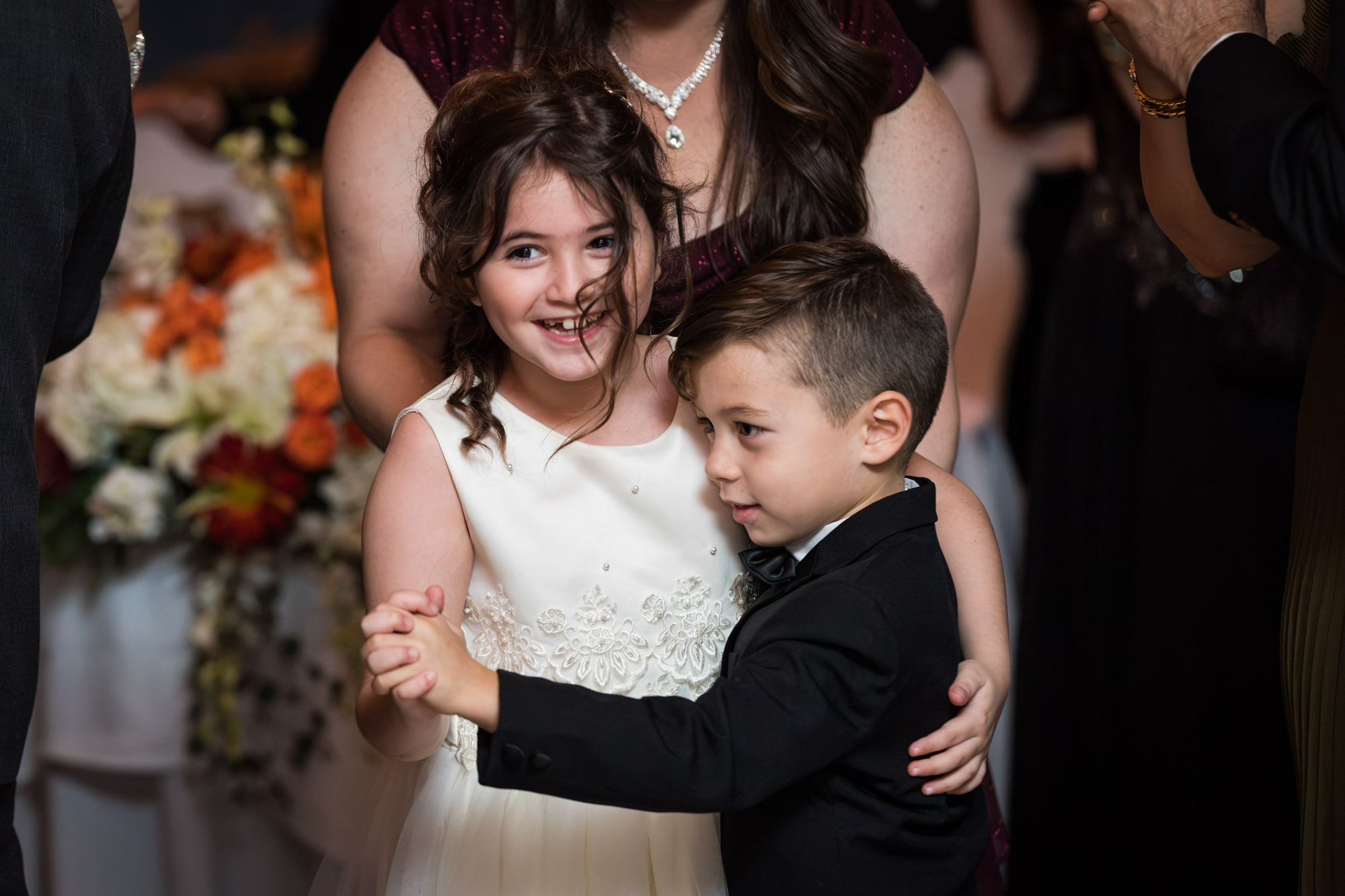
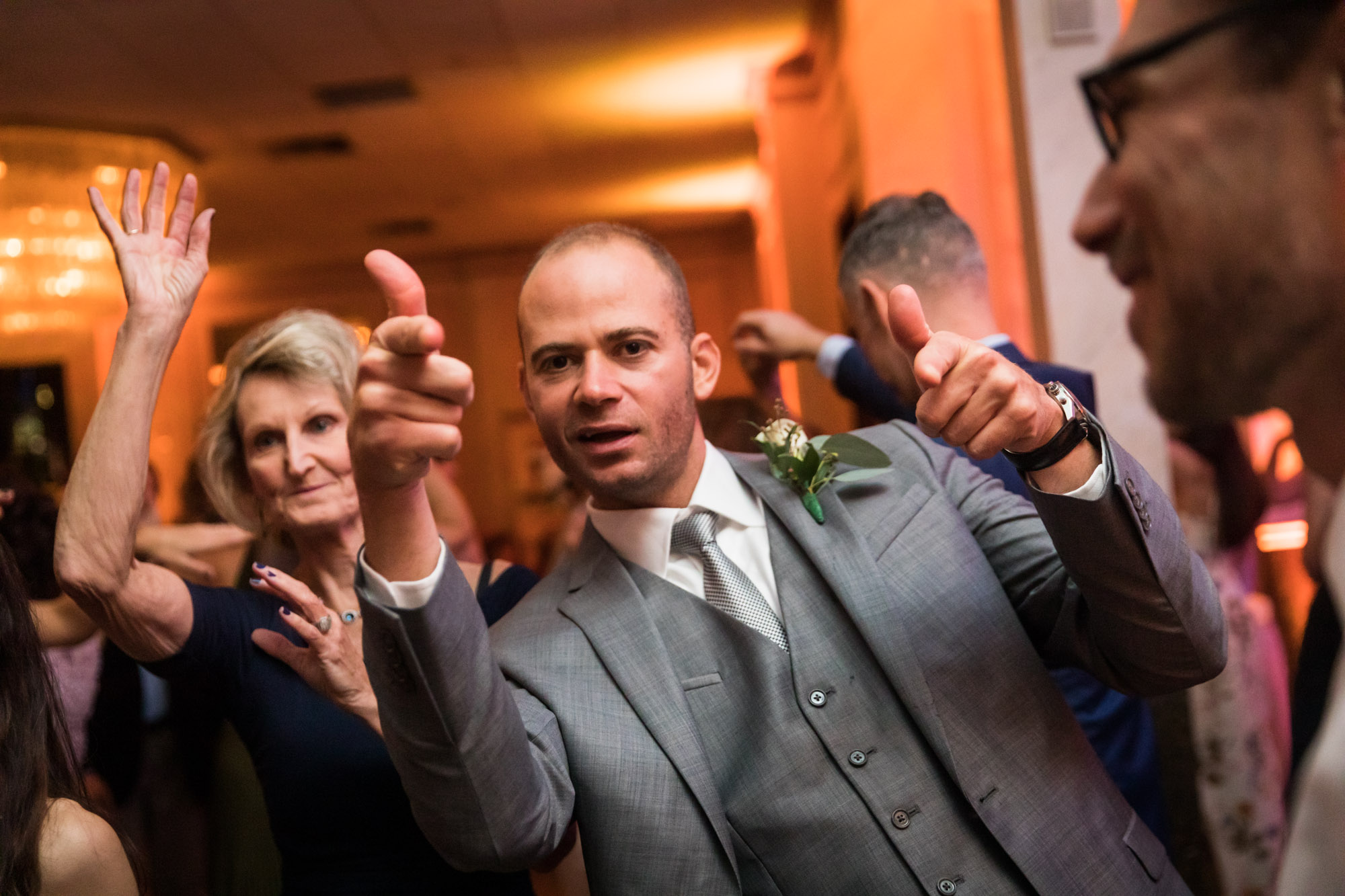
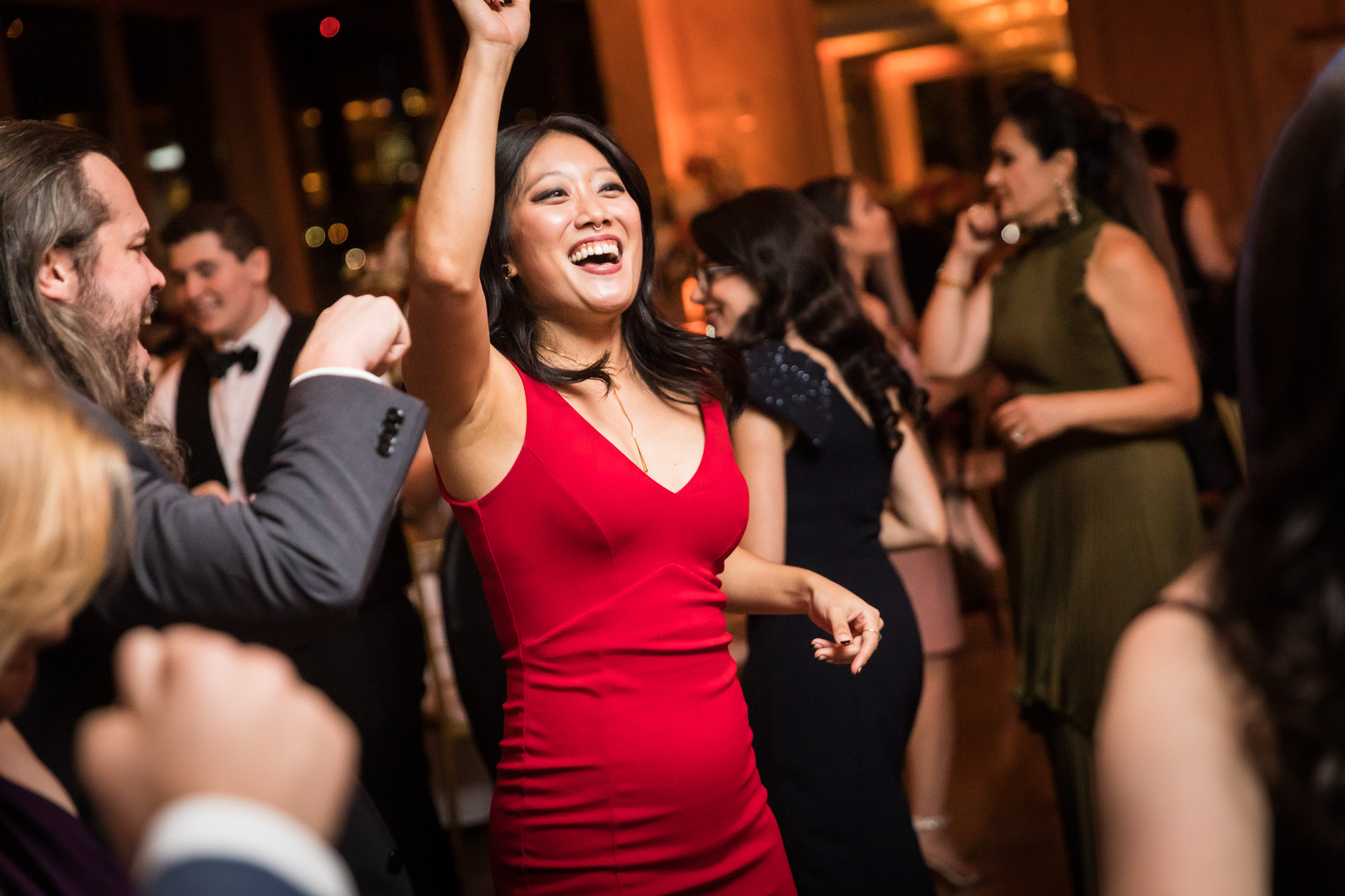
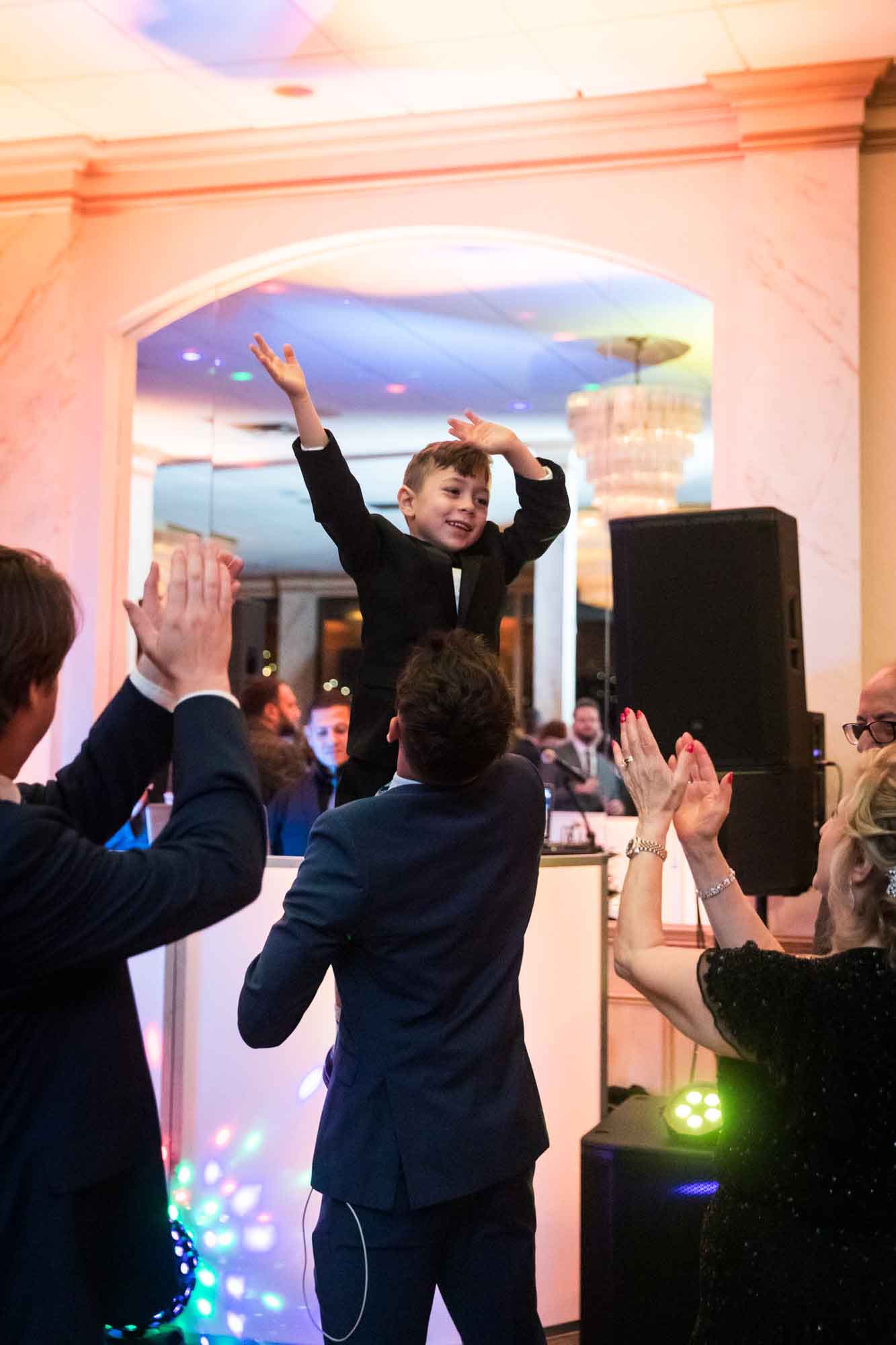
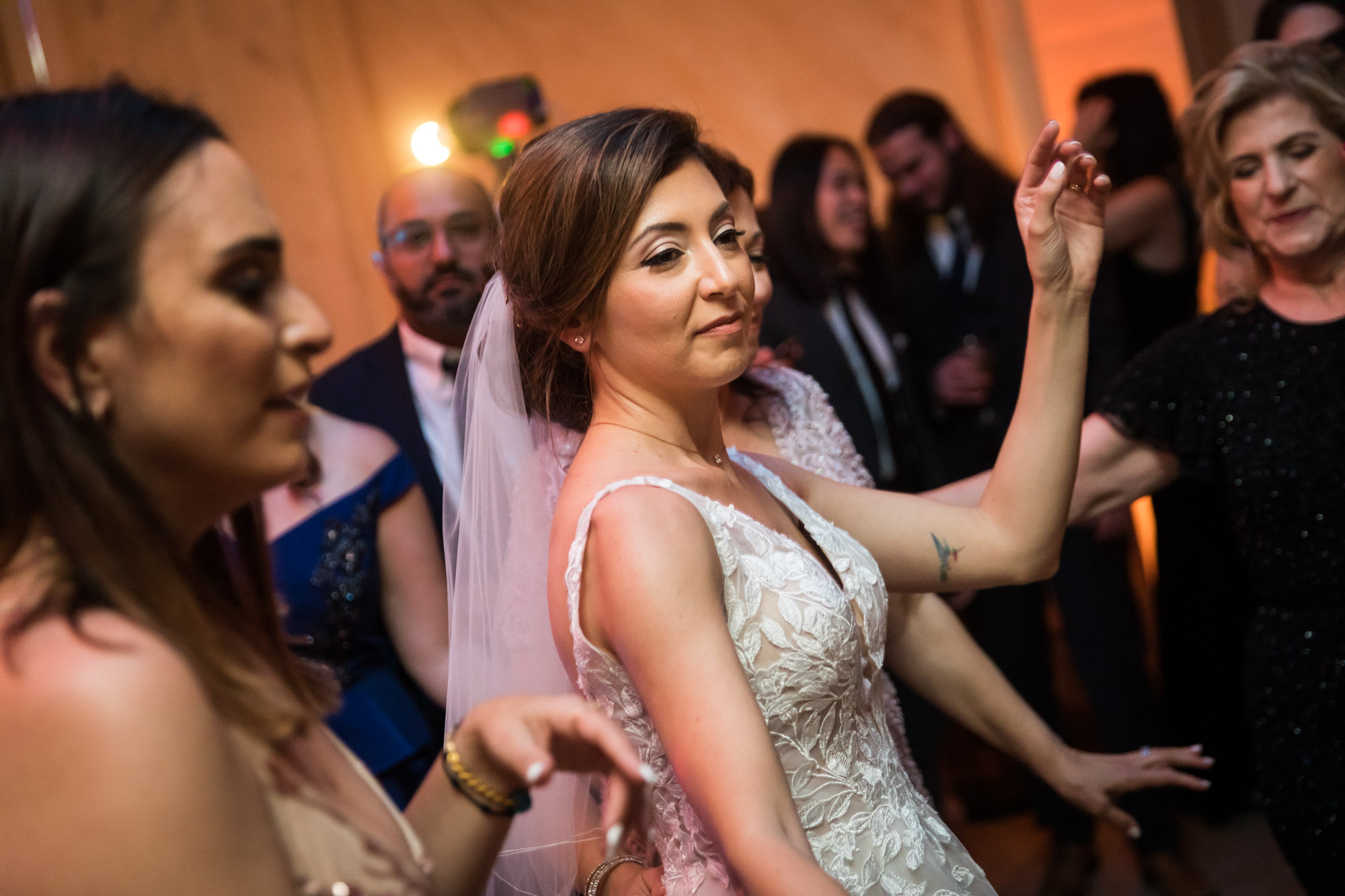
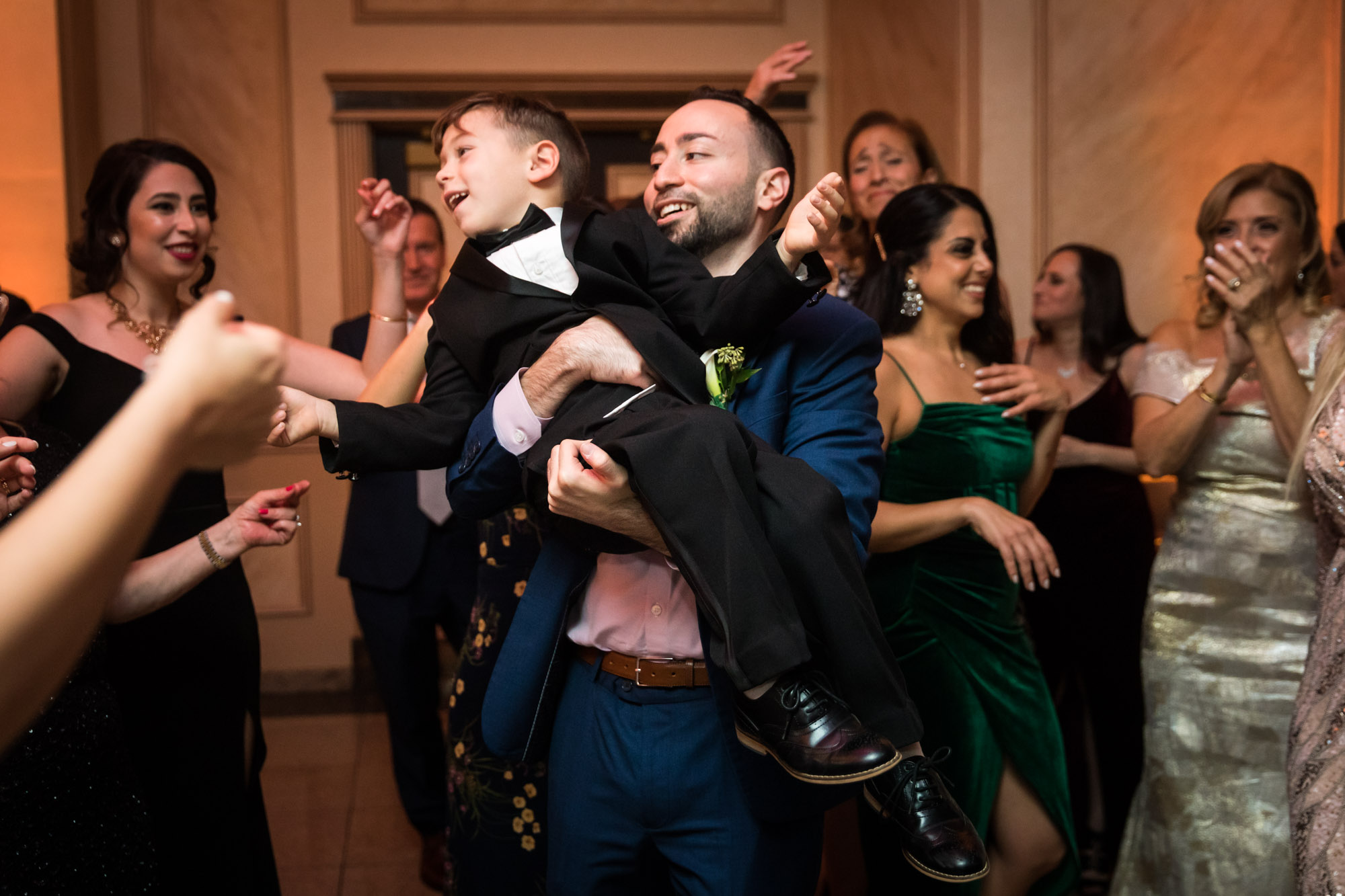
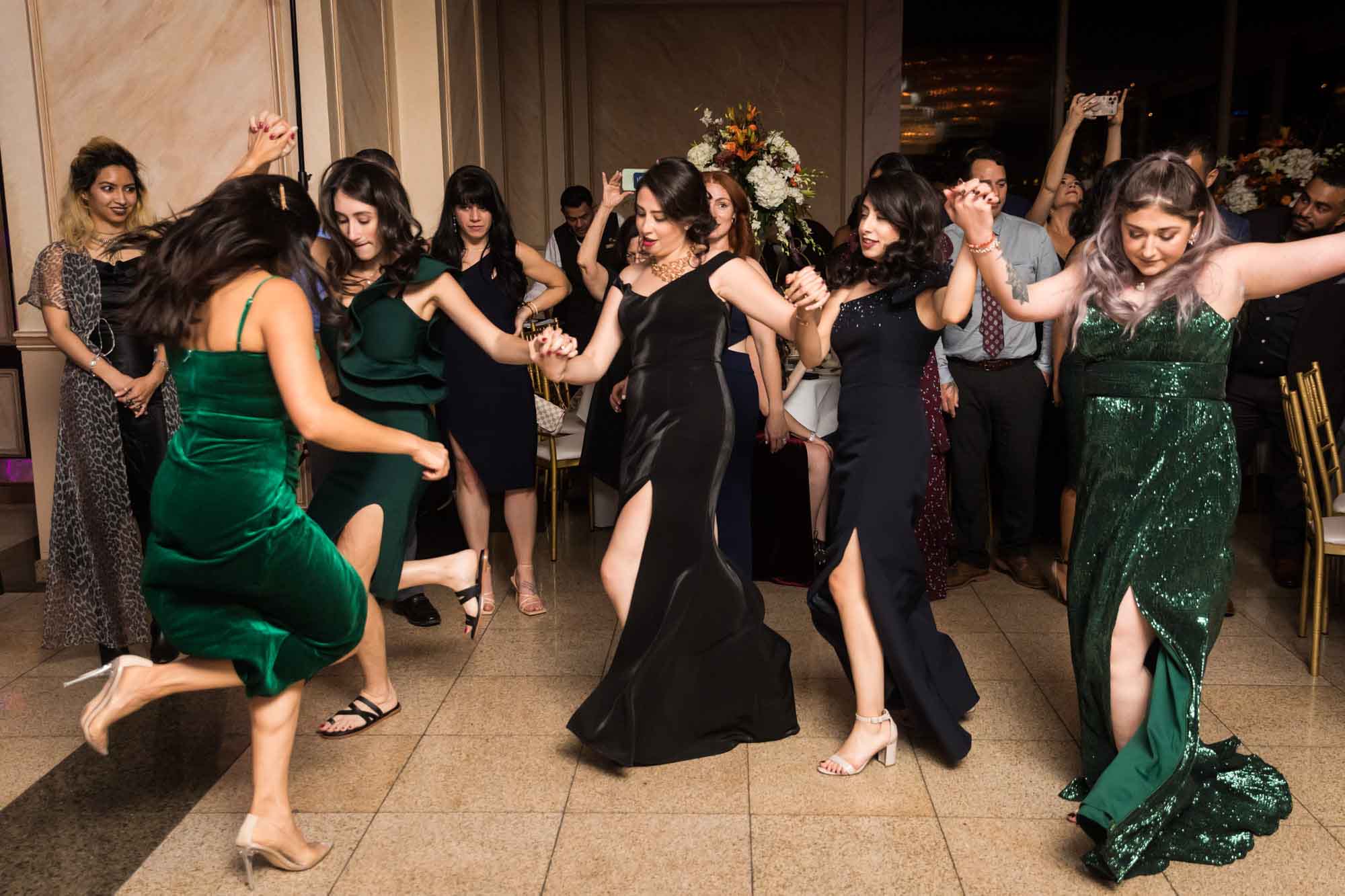
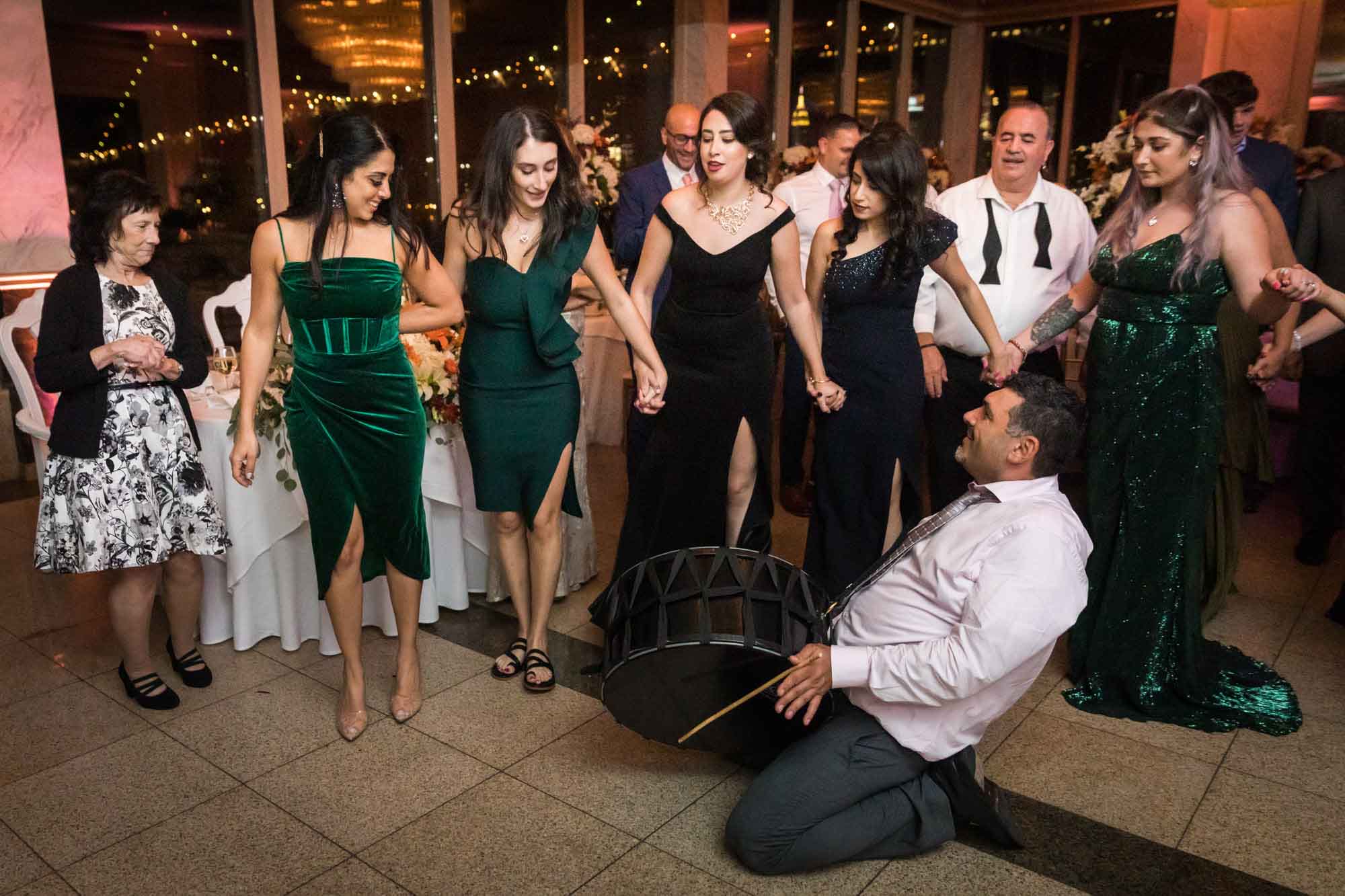
The dancing is the heart of it. The Kochari and other line dances pull in everyone from toddlers to great-grandparents. In many families there is also a money dance, where guests pin or toss bills on the couple as they dance. And yes, you will hear a lot of Armenian pop, folk, and the occasional duduk solo.
How it has changed. Today’s receptions mix old and new. A traditional circle dance may be followed by a Top 40 set, and the toasts may be in Armenian and English. Menus are often a blend of Armenian dishes and a standard plated dinner. Some couples have shrunk the guest list, but others still invite the entire extended family, and that is half the fun.
How to photograph it.
- Plan your family formals early. Armenian families are often big. Build a list with the couple ahead of time, identify a family point person, and schedule those photos before the dancing starts.
- Use flash thoughtfully on the dance floor. Bounce flash off a ceiling when you can, or use a drag-the-shutter technique at 1/30 to 1/60 with flash to capture motion and ambient color.
- Stay in the circle. The best Kochari photos happen from inside or at the edge of the circle, not from the sidelines.
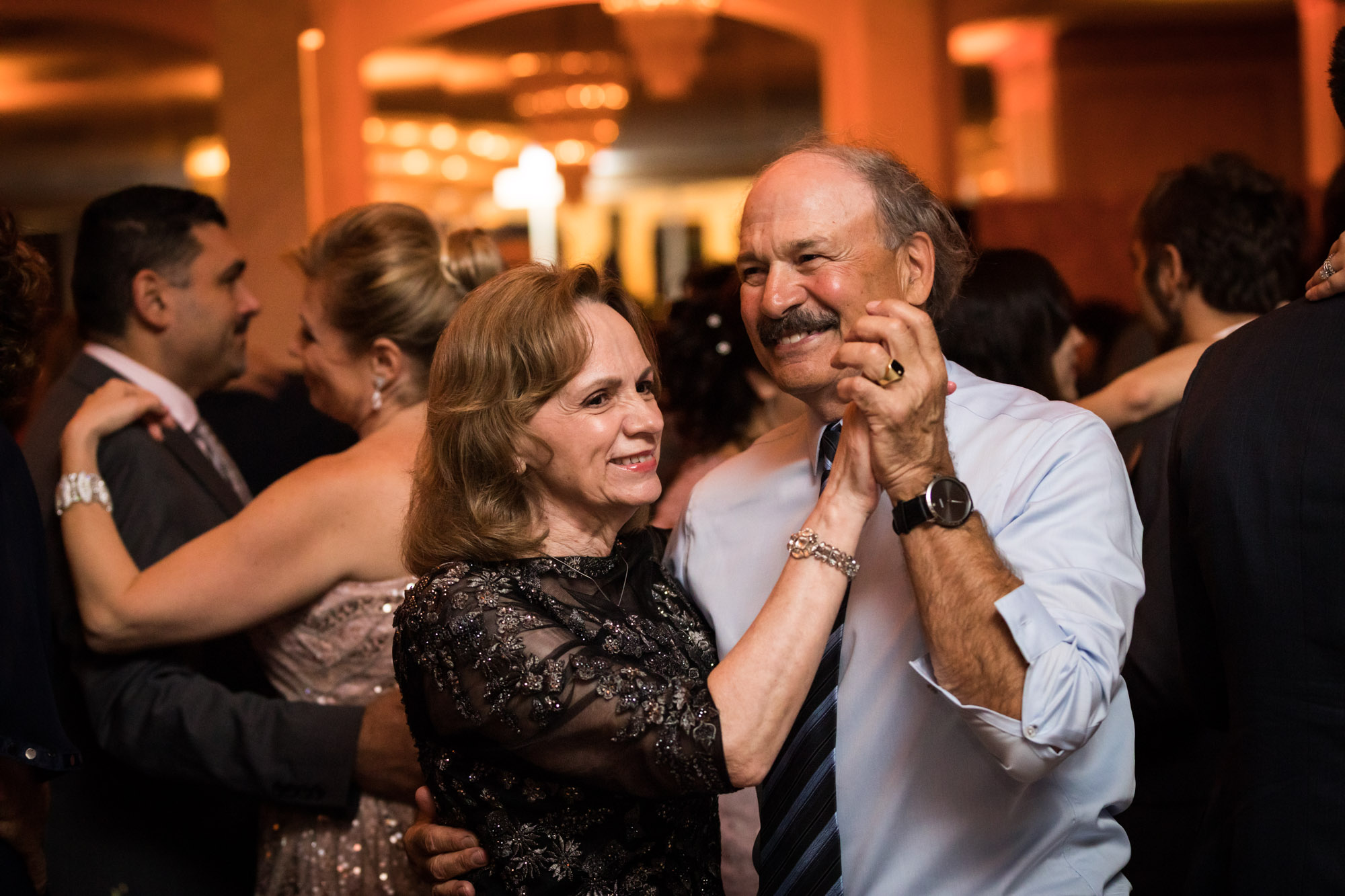
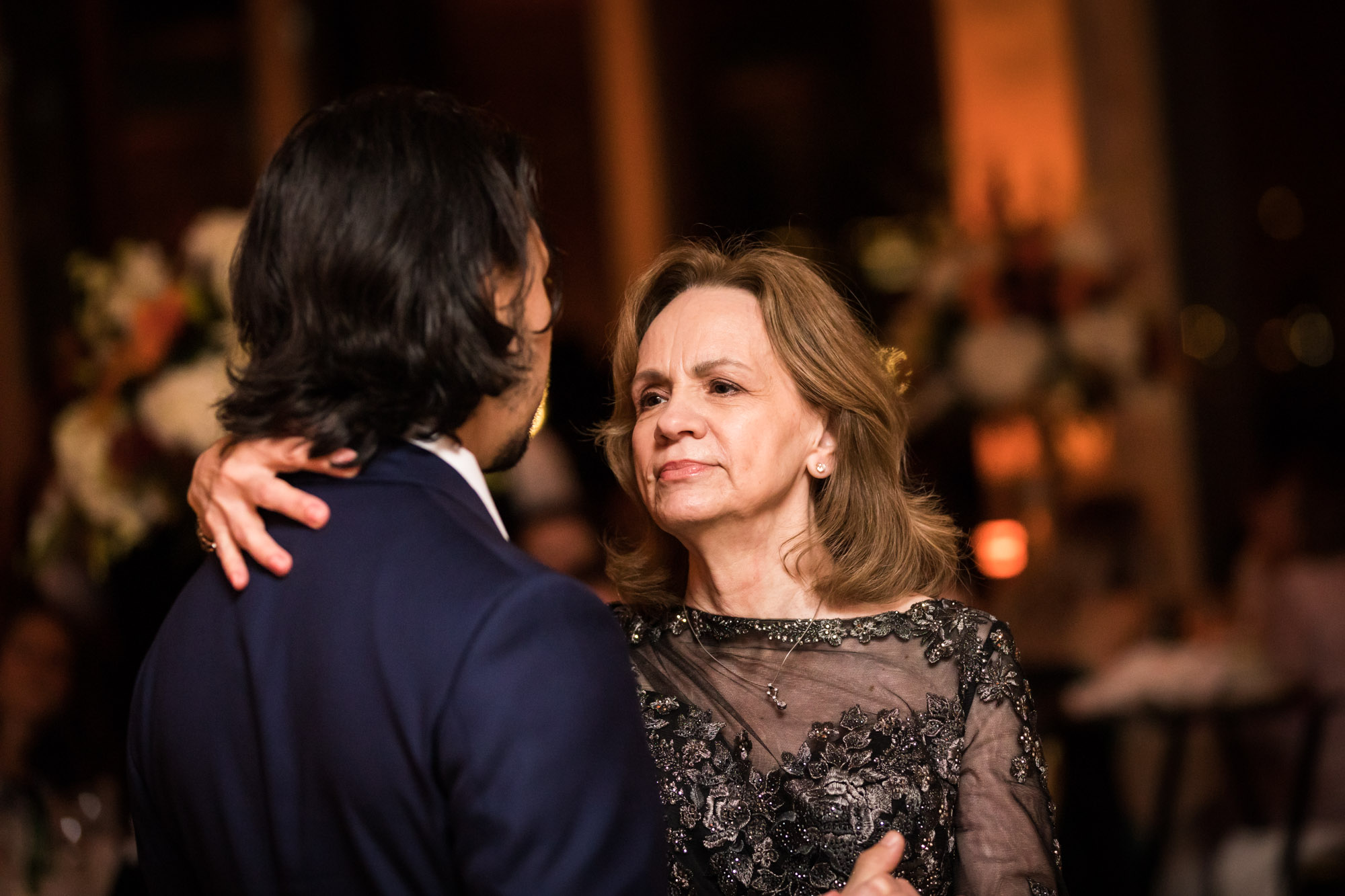
- Watch the older generation. Grandparents on the dance floor are consistently some of the best frames of the night.
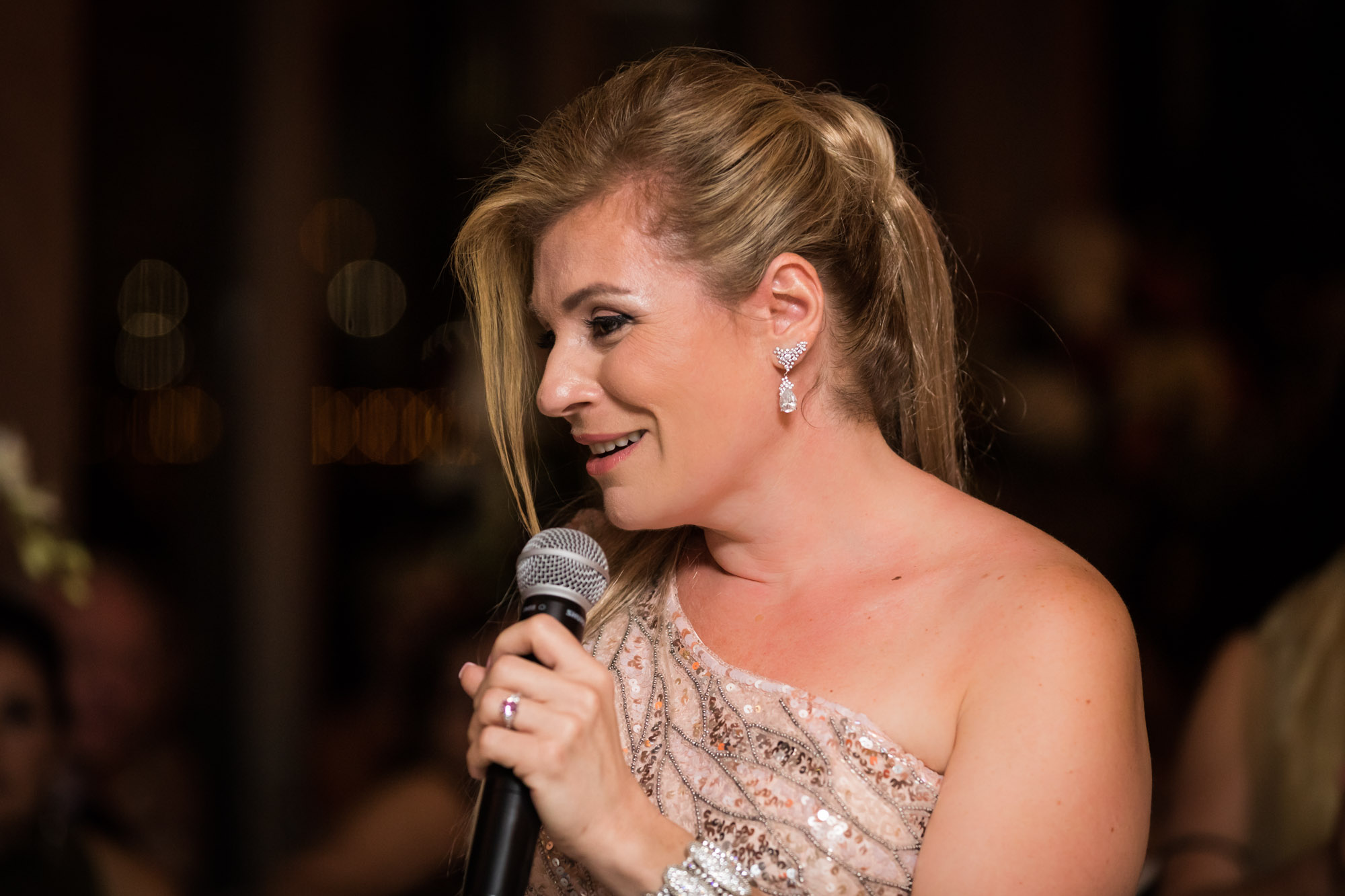
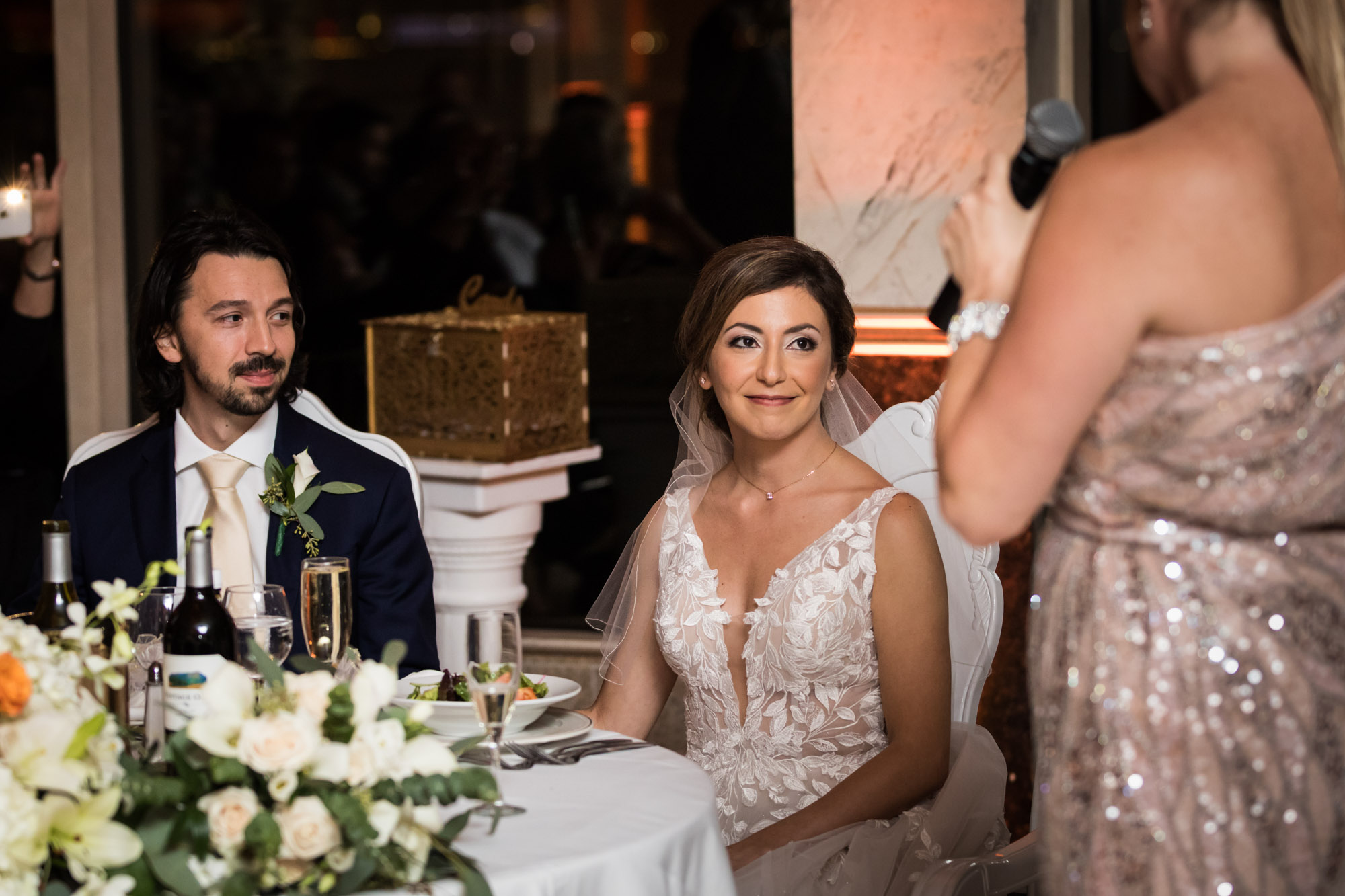
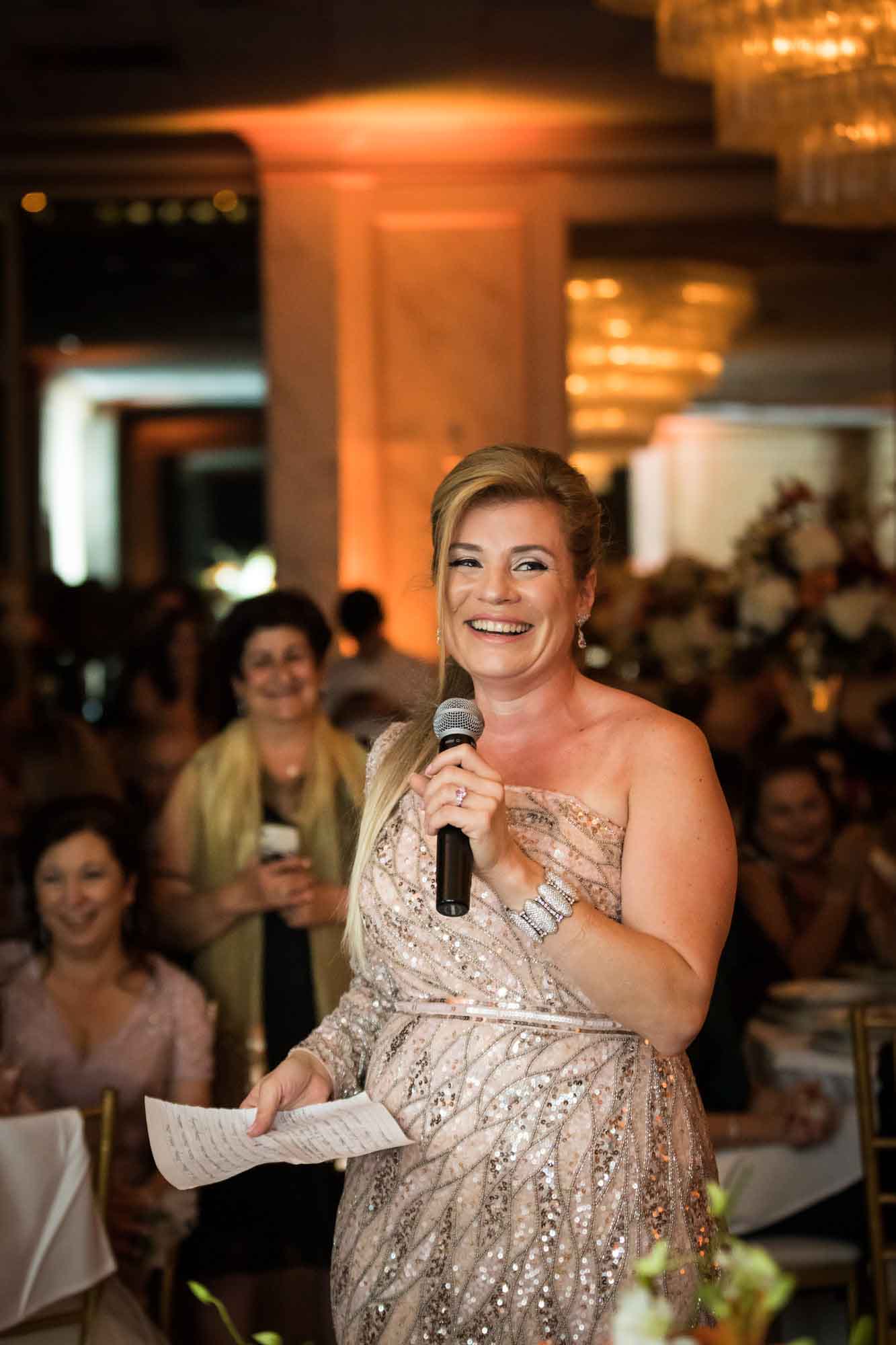
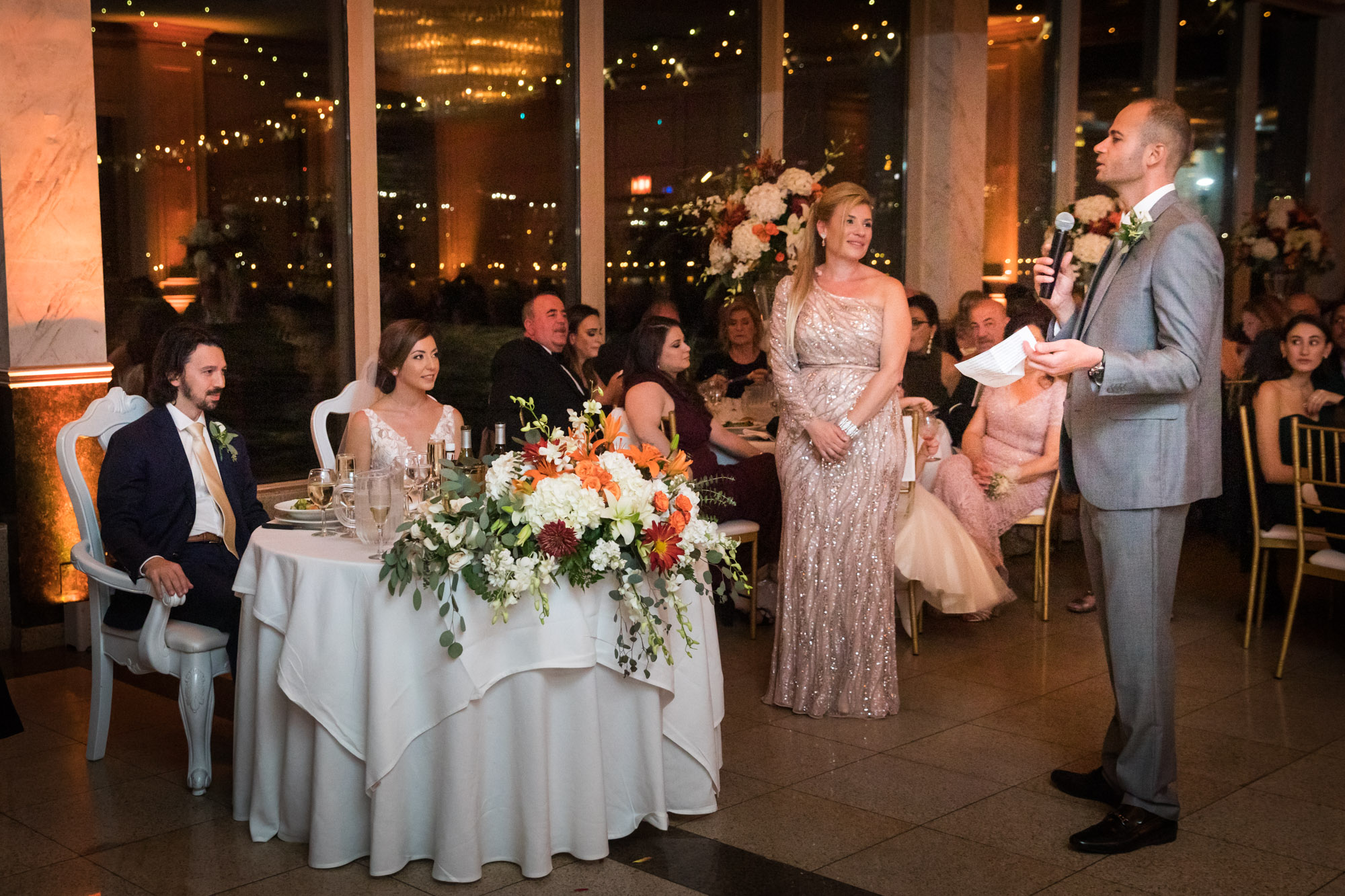
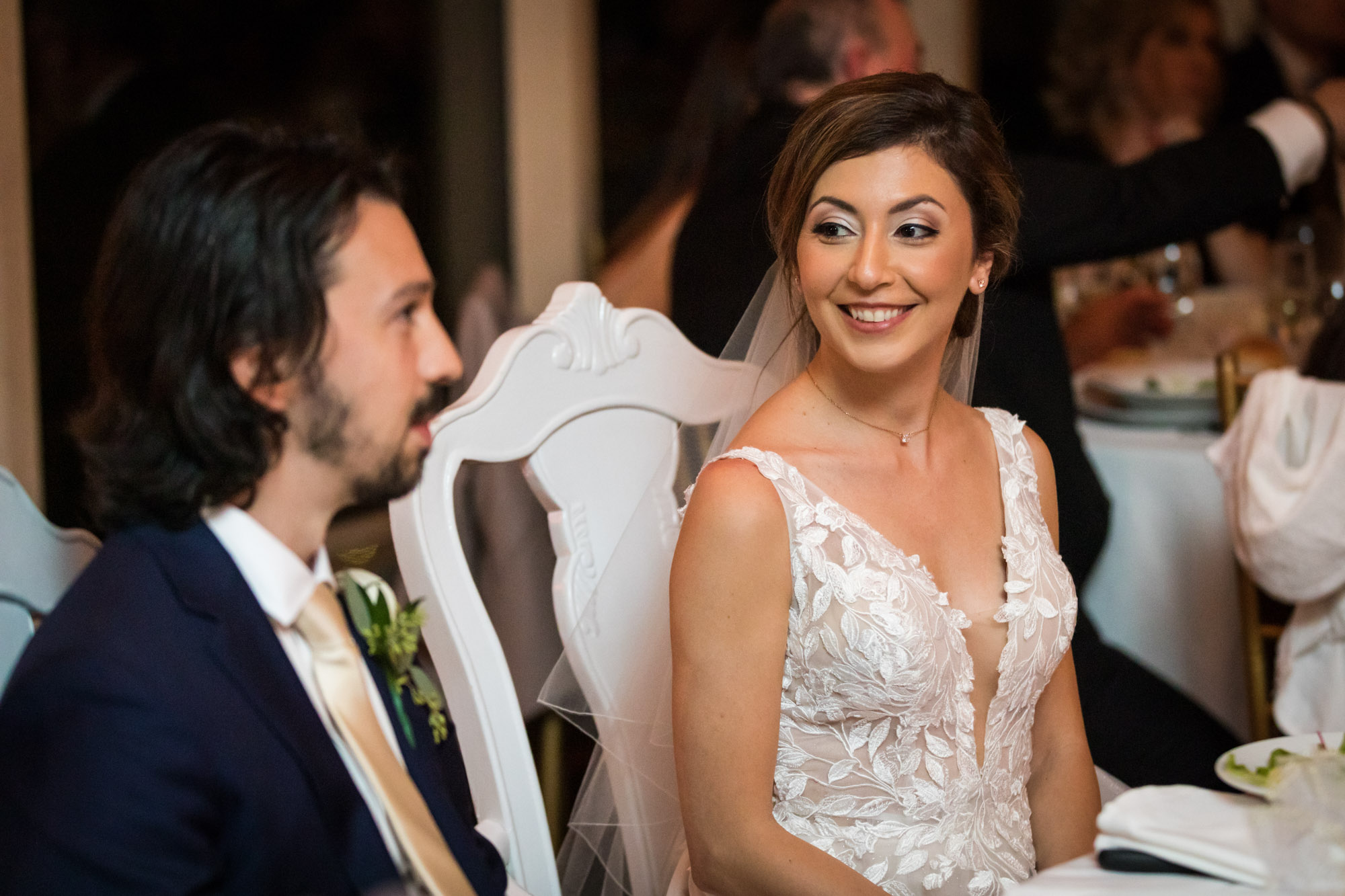
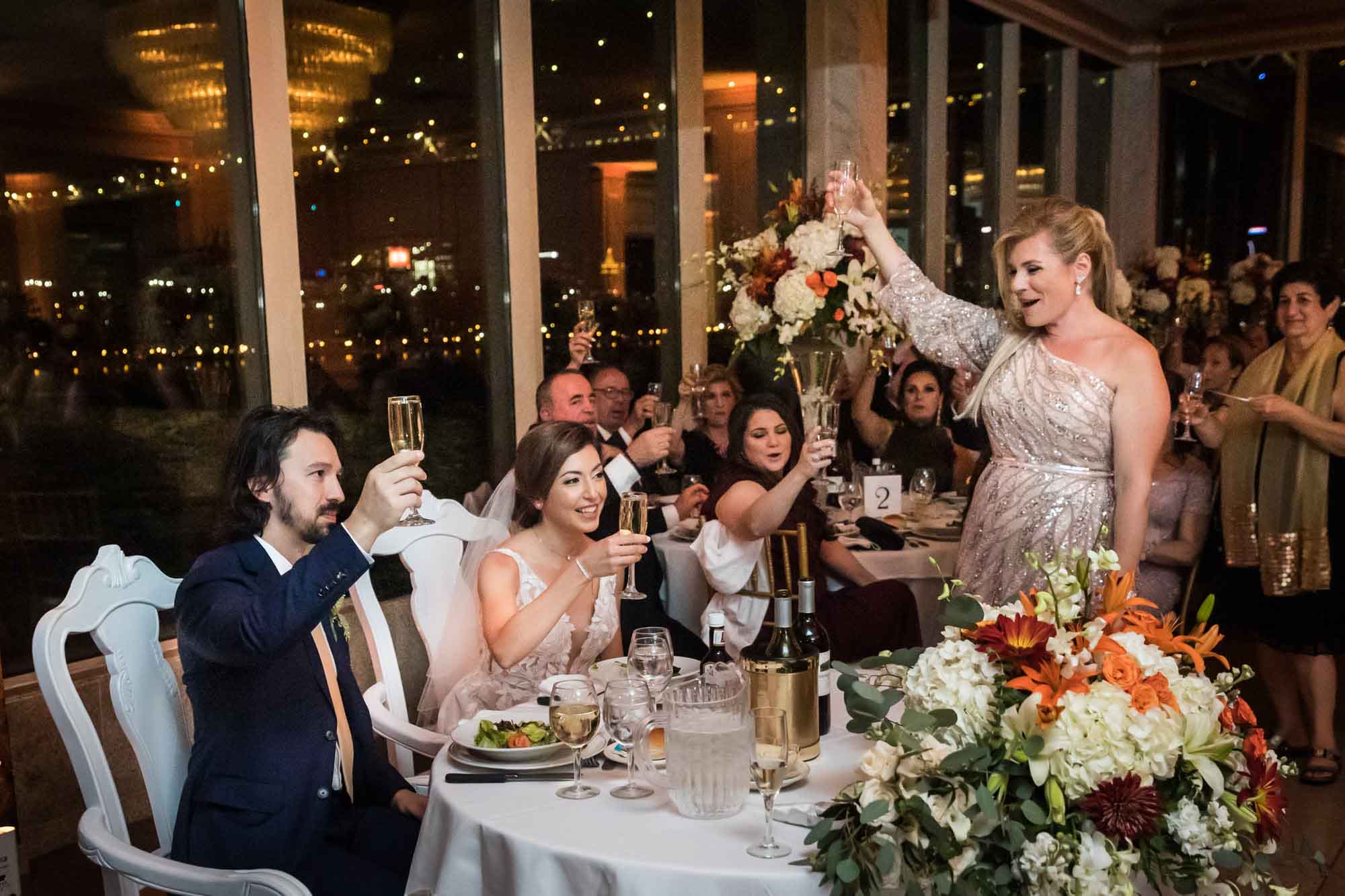
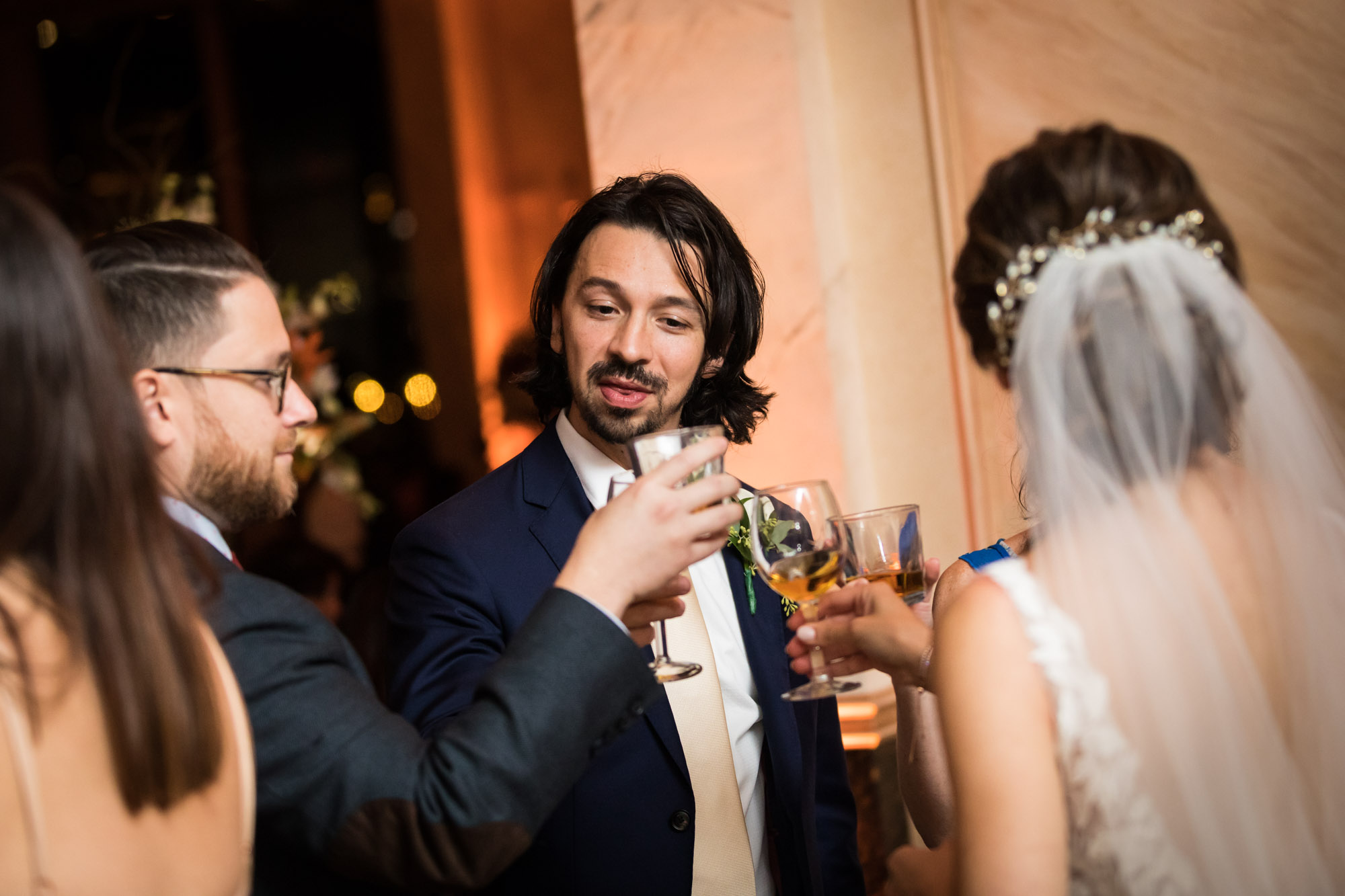
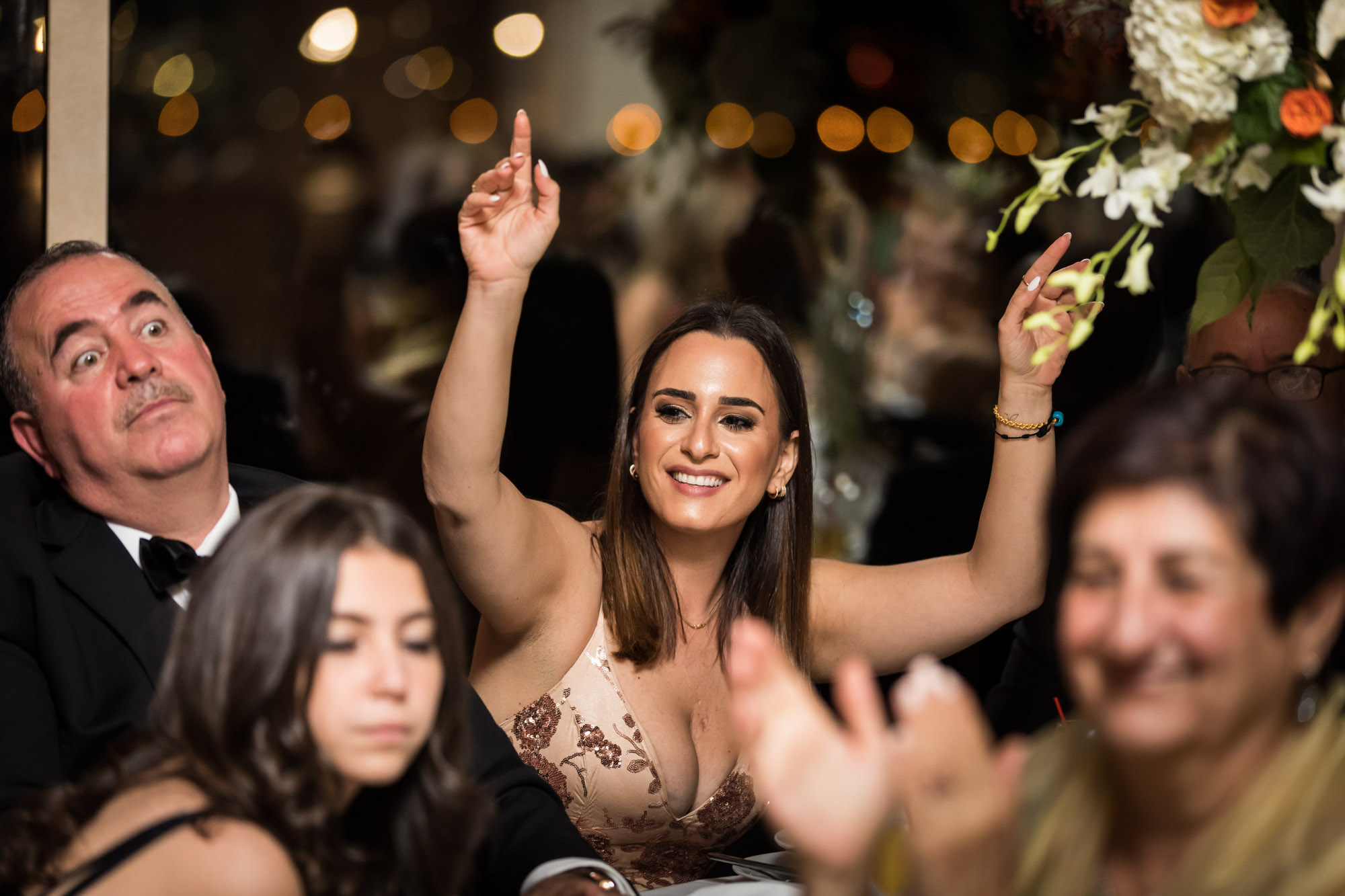
- Shoot the toasts. Toasts can run long, and the faces around the table are where the story is.
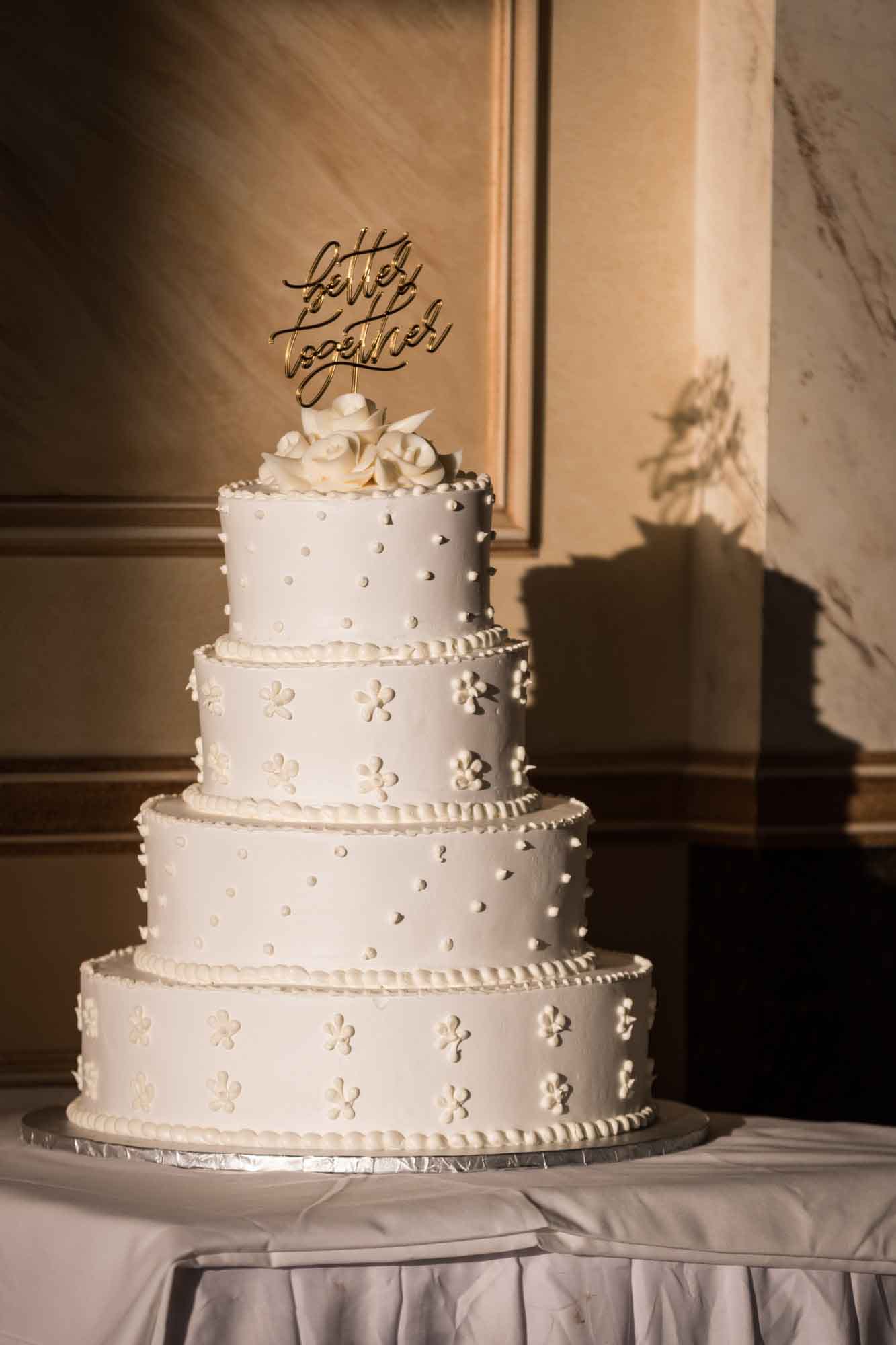
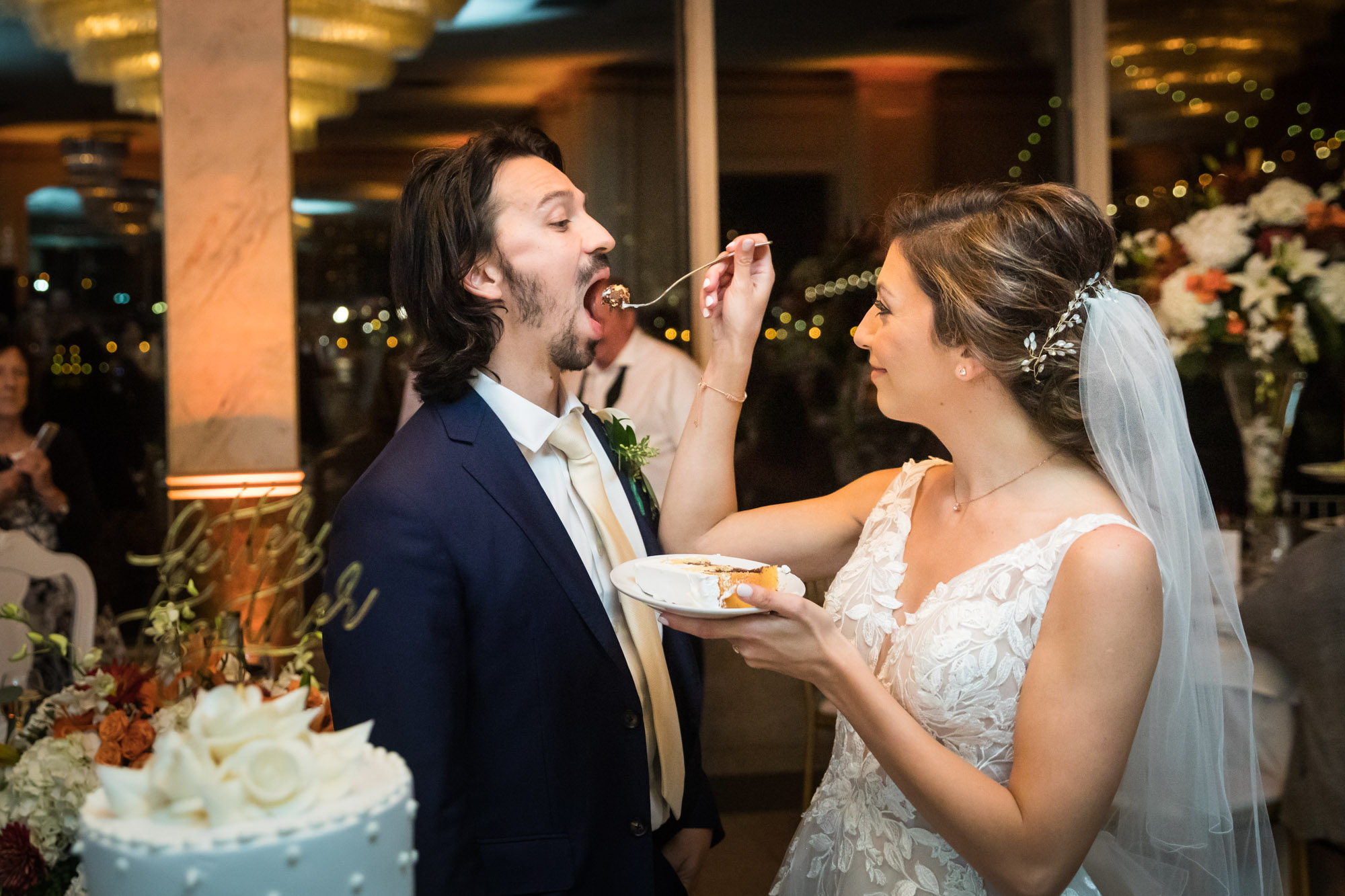
- Cover the cake and dessert tables, then move on. The party will be far more interesting than the cake.
Where to Take Wedding Photos in Glendale
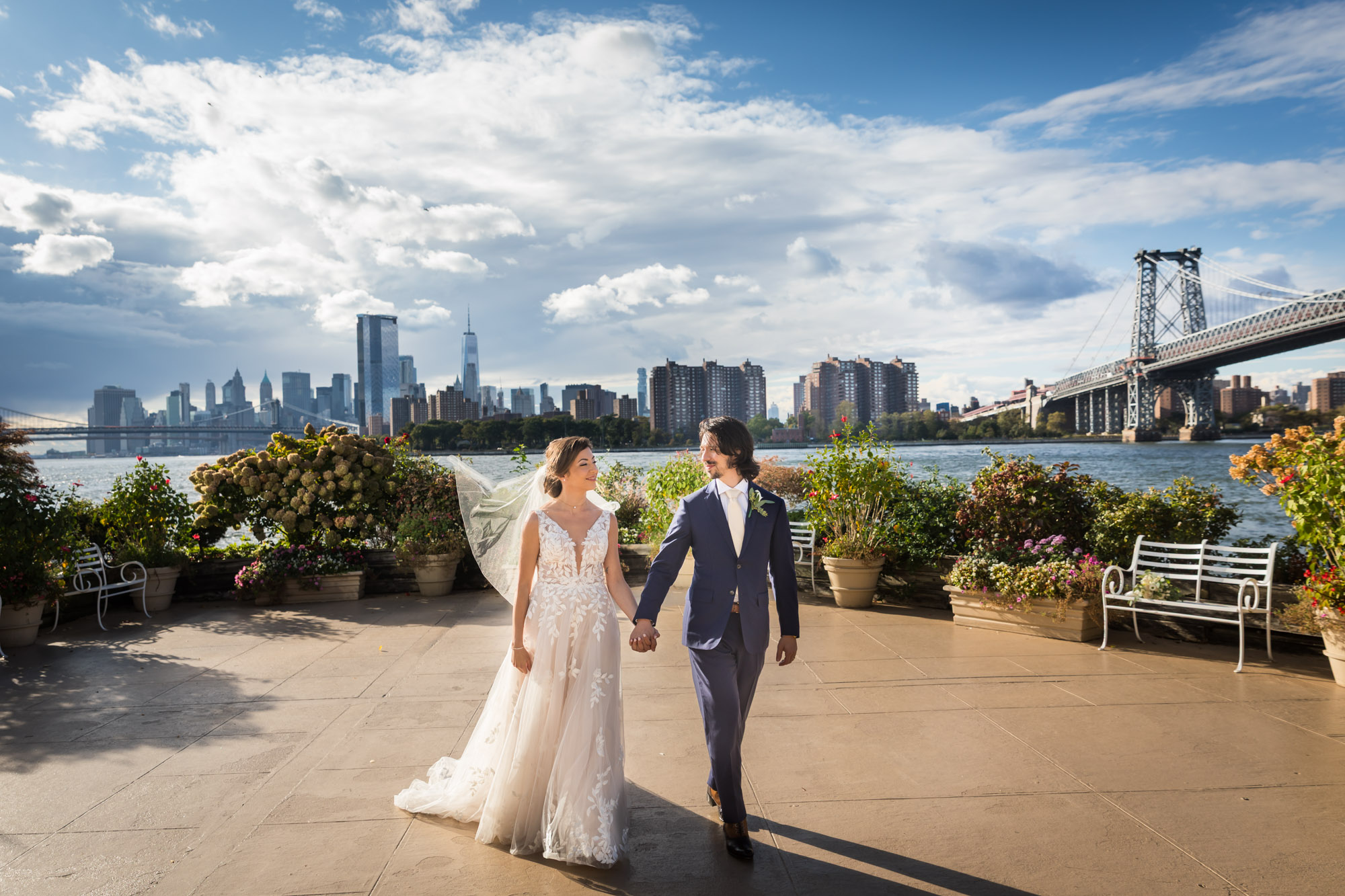
Glendale is home to one of the largest Armenian communities outside Armenia, so the city is a natural place for these celebrations. Here are some places worth knowing. Always check with each location about photography rules, permits, and hours before you plan a shoot.
St. Mary’s Armenian Apostolic Church. Located at 500 S. Central Ave., St. Mary’s is a major Armenian Apostolic church in the heart of Glendale. If a couple is marrying here, you are photographing in the middle of the community.
St. Kevork Armenian Apostolic Church. Another Armenian Apostolic church in Glendale, on W. Kenneth Road. Every church has its own layout and light, so a pre-wedding visit is worth the time.
St. Gregory the Illuminator Armenian Catholic Cathedral. St. Gregory’s also hosts celebrations in its hall, so it can serve as both ceremony and reception space for some couples.
Brand Library & Art Center. The grounds and historic mansion make a good backdrop for portraits before or after a ceremony. The architecture and gardens give you a nice contrast to the formality of the church.
If you are looking a little farther out, Descanso Gardens in La Cañada Flintridge is a short drive away and is a lovely option for portraits. I have a full guide to it on the blog.
A Few More Photo Tips
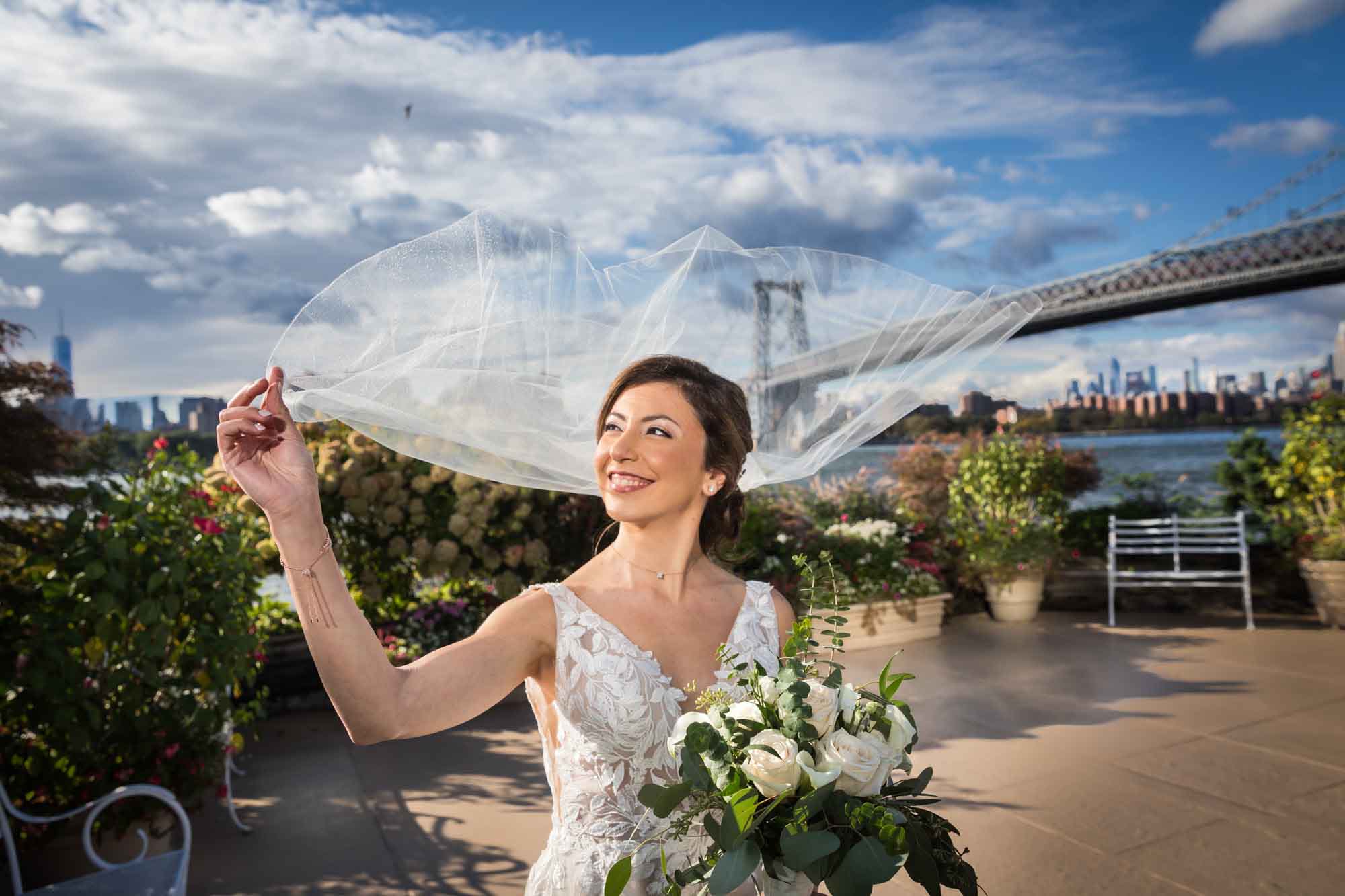
- Talk to the families ahead of time. Ask which traditions will happen, in what order, and who the key people are. I always have my couples fill out a “homework” sheet ahead of time where they give me an exact timeline.
- Build a bigger buffer into the timeline. Armenian weddings tend to run on celebration time, not clock time. Plan your portrait window with extra room.
- Carry two cameras. One with a wide lens for the dance floor and one with a longer lens for ceremony and candid moments. Not having to switch lenses constantly saves so much time.
- Bring extra batteries and cards. Between the ceremony, the dancing, and the toasts, you will shoot more than you expect.
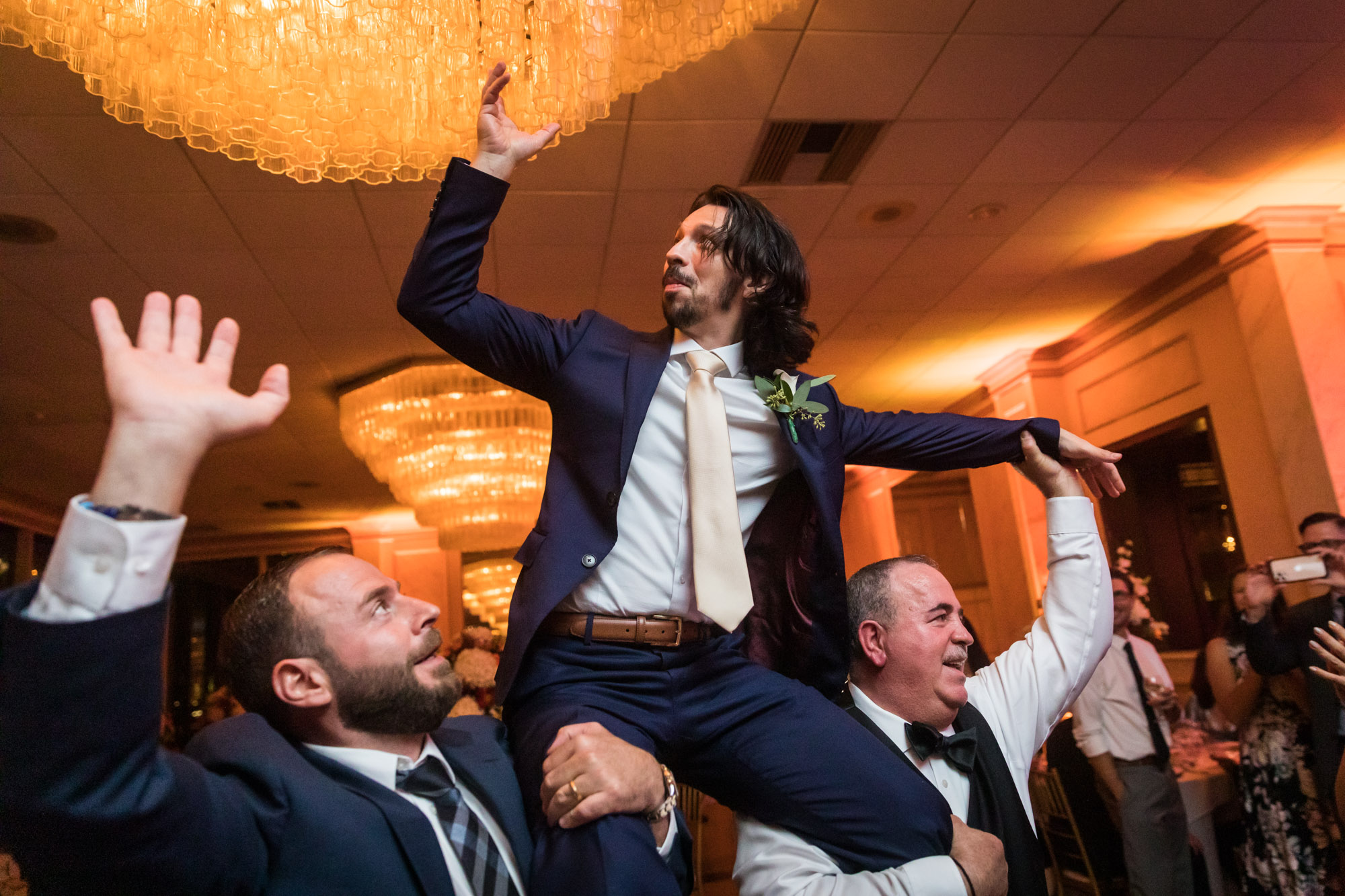
- Stay flexible. The best moments are often spontaneous: a grandmother crying at the altar, a groomsman lifting the groom, a toddler dancing alone in the middle of the floor.
- Respect the church. Dress appropriately, keep a low profile, and follow the priest’s instructions.
Final Thoughts
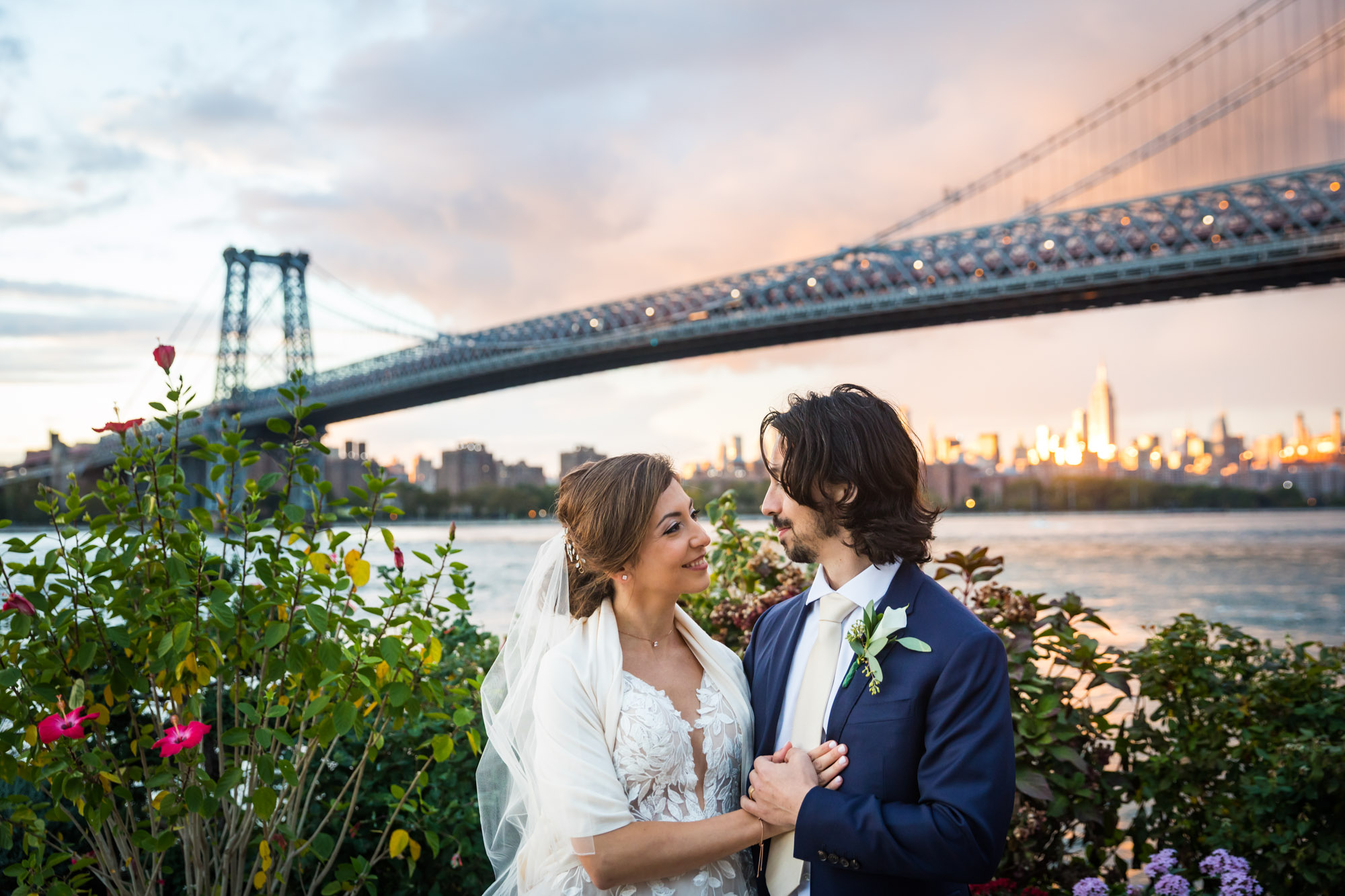
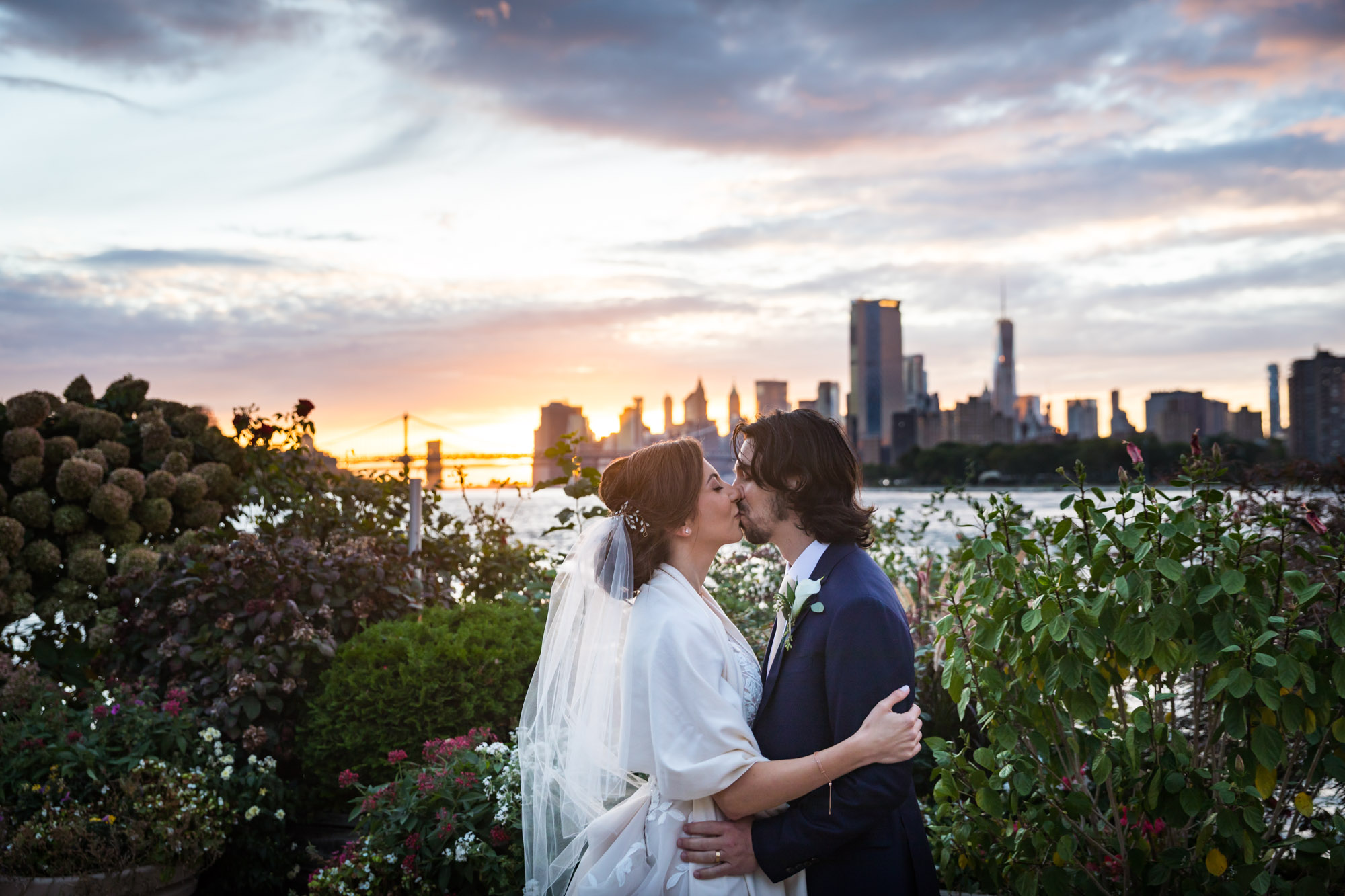
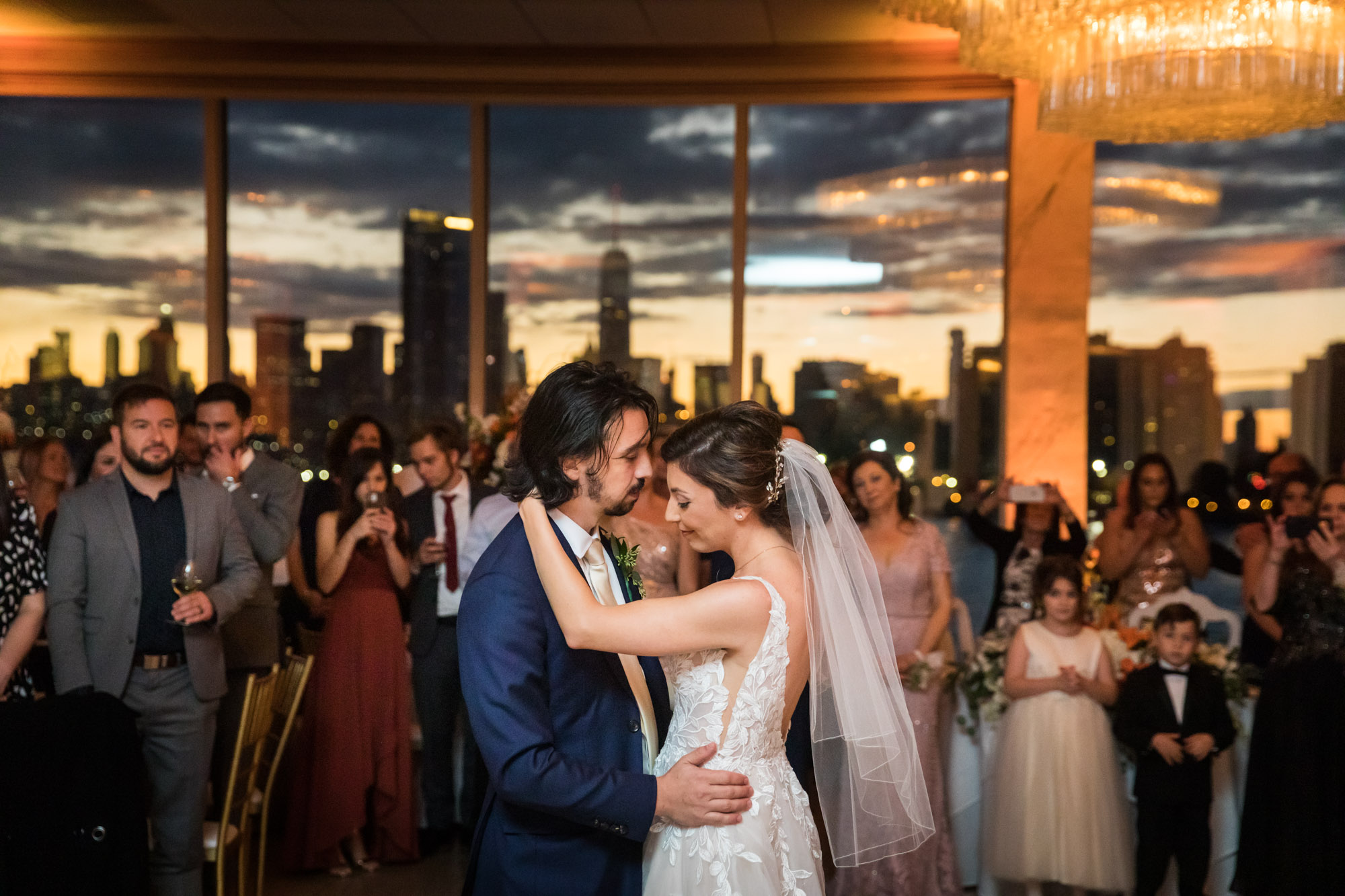
Armenian wedding traditions are old, but they are not stuck in the past. Couples keep what means something to them, update what does not, and add their own spin. That is what makes them so rewarding to photograph. You get the crowns and the lavash, and you also get the first look, the bilingual toast, and the dance floor that does not clear out.
If you are planning an Armenian wedding in Glendale or the greater Los Angeles area, I would love to hear about your day. You can reach me through the contact page, and you can see more of my work in my wedding portfolio.s
__________________________________________________________
If you found this article on Armenian wedding traditions useful, then check out these related posts:
- The Best Photo Shoot Locations in Descanso Gardens
- Queen Mary Photo Shoot
- Venice Canals Engagement Photo Shoot
Looking for a Los Angeles photographer for your proposal, engagement shoot, or wedding? Drop me a line and let’s chat about your vision.
To view more images from my portfolio, please visit my website – KellyWilliamsPhotographer.com